
Amblyosporiosis
Amblyosporium botrytis
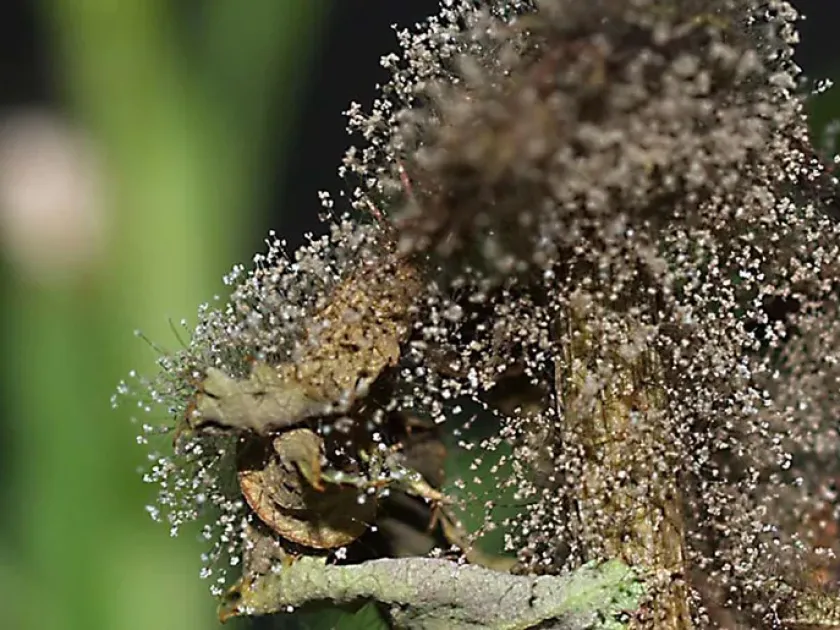
Description
Symptoms
The primary symptom of Amblyosporiosis is the emergence of a visible fungal growth on leaf surfaces, stems, or fruits. The color typically ranges from off-white to a dull grayish-yellow.
As the infection advances, the affected tissue undergoes necrosis. These spots often develop irregular margins, turning brown or black as the plant cells die due to fungal enzymatic activity.
In cases of stem infection, the structural integrity of the plant may be compromised, leading to wilting, drooping, or even lodging if the plant is sufficiently weakened by the pathogen.
Under persistent high-humidity conditions, the fungal mat becomes denser and more velvety. This distinct texture is a key indicator for field scouts to distinguish it from other mildew-like infections.
When fruit is affected, the infection manifests as spreading lesions that eventually lead to soft rot, rendering the harvest unmarketable and susceptible to further microbial spoilage.
Pathogen
The disease is caused by the fungus Amblyosporium botrytis, a member of the hyphomycetes group. It is primarily a saprotrophic organism that thrives on decaying organic matter but can become an opportunistic pathogen on weakened or damaged plant tissues.
The fungus produces a widespread mycelium and characteristic conidiophores that bear numerous small conidia. These spores are easily dispersed by wind and water splashes, allowing for rapid colonization of susceptible host plants.
The biological cycle of this pathogen is strictly dependent on environmental moisture. Under high humidity, the spores germinate efficiently, initiating new infection cycles within a short period.
Mycelial structure is septate and highly branched, enabling the fungus to penetrate plant epidermis and utilize extracellular enzymes to break down host cell walls for nutrition.
Researchers note that Amblyosporium botrytis often serves as a secondary invader, following initial damage caused by environmental stress, insect pests, or other primary fungal diseases.
Conditions for development
The development of Amblyosporiosis is highly favored by temperatures ranging from +18°C to +25°C. This temperate range provides optimal metabolism for the fungal growth cycles.
Relative humidity levels above 80% are critical for the pathogen's success. Environments with poor air circulation, such as dense greenhouse foliage or crowded field rows, provide the perfect humid microclimate.
Lack of proper ventilation prevents the evaporation of dew and moisture, which is essential for the conidia to germinate and penetrate the plant surface.
Low light intensity, combined with excessive soil moisture, stresses the plant and increases its susceptibility to fungal colonization by reducing its innate defense mechanisms.
Reservoirs of inoculum, such as crop debris left in the field from the previous season, ensure that the pathogen remains present to infect young, vulnerable growth during the next cycle.
Why it matters
The economic impact of the disease is significant, as it leads to the premature loss of foliage. This reduction in photosynthetic capacity limits the plant's ability to produce energy for growth and development.
Crop quality is drastically reduced when the fungus attacks fruits or flower structures, causing physical degradation and potential contamination with mycotoxins or secondary bacteria.
In intensive greenhouse systems, Amblyosporiosis can cause widespread yield losses if left uncontrolled, as the pathogen spreads rapidly throughout the entire growing area via air currents.
The disease contributes to a complex pathology, where the destruction of plant tissues facilitates the entry of other pathogenic bacteria and fungi, compounding the damage to the host.
Financial losses also occur due to increased labor and chemical costs, as managing the spread of the fungus often requires intensive corrective fungicide applications.
Protection
Cultural practices are the first line of defense. Proper crop rotation and the thorough removal of plant residues are essential to reduce the primary inoculum load in the field.
In protected cultivation, management of the microclimate is paramount. Ensuring adequate spacing between plants and maintaining active ventilation systems will help keep humidity levels below the threshold for infection.
Fungicide programs should be implemented at the first sign of symptoms. It is vital to use systemic products and rotate classes of chemistry to manage potential fungal resistance development.
Nutrient management, particularly balancing nitrogen levels with potassium and phosphorus, helps to build stronger plant cell walls that are naturally more resistant to fungal penetration.
- Regular monitoring for early detection of fungal mats.
- Drip irrigation to prevent water from accumulating on leaf surfaces.
- Sanitizing tools and greenhouse surfaces between growing cycles to prevent carryover.
Discussion
No discussions yet — be the first.