
Amanitaceae
Amanitaceae
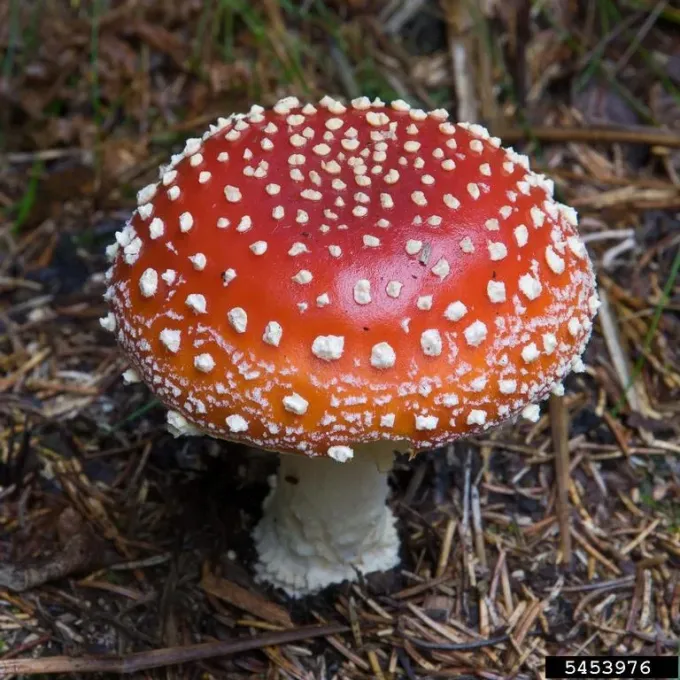
Description
Pathogen
The Amanitaceae family is not a plant disease but a taxonomic group of basidiomycete fungi. These mushrooms are widely recognized for their distinct fruiting bodies.
Members of this family primarily exist in the soil as mycelium, often forming symbiotic relationships known as ectomycorrhiza with various tree species.
They lack the physiological ability to parasitize vascular plants, meaning they do not cause decay, wilting, or tissue necrosis in crops.
In the context of agricultural science, they are considered non-pathogenic organisms that do not require any form of chemical intervention.
Classifying Amanitaceae as a disease is incorrect, as their interaction with the environment is strictly based on symbiotic or saprotrophic cycles.
Conditions for development
Amanitaceae development is highly dependent on environmental stability, particularly in forested areas where host trees provide essential sugars.
High soil organic matter content and specific moisture regimes are critical for the formation of the mushroom's fruiting bodies.
They thrive in undisturbed forest soils where the mycorrhizal network can expand without being hindered by mechanical tillage.
Soil aeration and nutrient composition in forest regions directly influence the abundance and frequency of these fungal colonies.
On cultivated land, these fungi are rarely observed because agricultural practices disrupt the delicate balance they require to survive.
Why it matters
There is no evidence of Amanitaceae causing harm to agricultural productivity, as they do not invade or feed upon crop tissues.
The danger associated with this family is limited to the ingestion of toxic species, such as Amanita phalloides, which can be fatal to humans and livestock.
Farmers do not need to implement control measures because these fungi do not impact crop health, yield, or product quality in any capacity.
Their presence should be viewed as an indicator of a stable, healthy ecosystem near the agricultural boundaries rather than a threat.
In summary, they are ecologically important organisms that support the growth of forest trees rather than pests of agricultural interest.
Discussion
No discussions yet — be the first.