
Amanita valens
Amanita valens
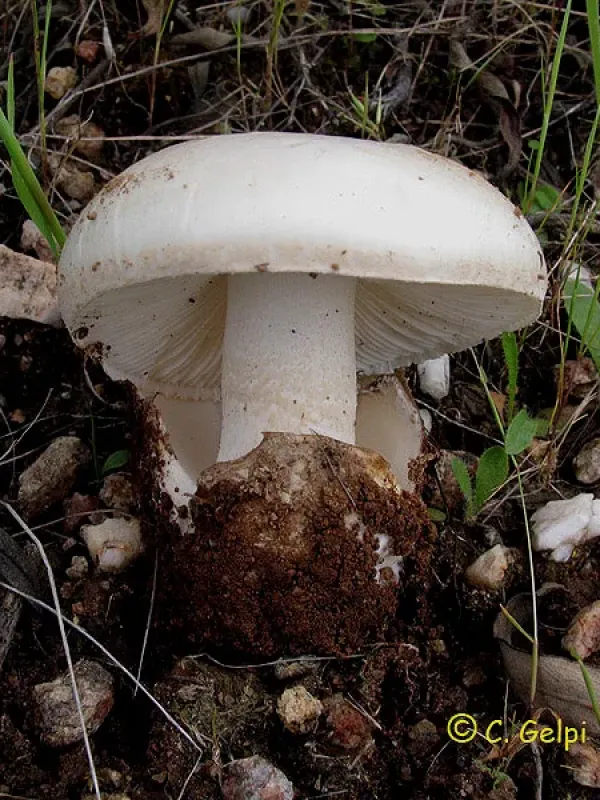
Description
Symptoms
Early symptoms of infection include visible loss of vigor and stunted growth. Infected plants often display chlorosis, where leaves turn yellow due to the impairment of the vascular system.
Necrotic lesions appear on the stems, trunks, or roots, representing the site of active fungal colonization. These patches may darken over time and exhibit cracking or peeling of the outer epidermis.
The appearance of fungal fruiting bodies on the surface of the affected plant is a definitive diagnostic sign of Amanita valens. These structures emerge during periods of high humidity and indicate deep-seated tissue infection.
Internal tissues often turn discolored or soft due to enzymatic rot, disrupting the transport of water and nutrients. This inevitably leads to premature wilting, even when soil moisture levels are adequate.
Root system analysis usually reveals necrotic or decayed lateral roots, which compromises the plant’s ability to anchor itself and absorb necessary minerals from the soil profile.
Pathogen
Amanita valens is a recognized fungal pathogen that impacts various plant species. Although the genus Amanita is often associated with mycorrhizal interactions, specific strains can exhibit opportunistic pathogenic behavior, especially under environmental stress.
The pathogen operates as a basidiomycete fungus, colonizing plant tissues by penetrating through bark injuries, root lesions, or natural openings. Once established, the mycelium spreads internally, utilizing enzymes to degrade cellular structures.
Biologically, the fungus relies on the degradation of lignin and structural carbohydrates within the host. This parasitic lifestyle allows it to thrive in weakened agricultural crops, often following other types of physiological damage.
Spore production is a critical component of its life cycle, allowing the fungus to disseminate via wind, rainfall, or mechanical vectors. These spores are highly resistant to desiccation and can remain viable in debris for multiple seasons.
The pathogen's adaptability to varying environmental conditions is significant. It can transition between saprotrophic growth on decaying material and active parasitism on living plants, making it a persistent threat in many regions.
Conditions for development
High humidity and moisture are the primary drivers for Amanita valens development. Prolonged rainy seasons or areas with poor drainage create ideal conditions for spore germination and colony expansion.
Temperatures ranging between 18 and 24 degrees Celsius facilitate the fastest rate of fungal mycelial growth. While growth may slow in extreme temperatures, the fungus remains dormant and ready to reactivate when conditions improve.
The accumulation of plant debris on the field surface acts as a reservoir for the pathogen. It uses this organic matter to build up inoculum levels before potentially attacking healthy crop stands.
Soil aeration plays a vital role; compacted soils with poor drainage inhibit root development and create a humid microclimate at the root zone, significantly increasing susceptibility to infection.
Plants under physiological stress—whether due to nutrient deficiencies, pest pressure, or drought—are significantly more vulnerable to colonization by this pathogen compared to healthy, vigorously growing specimens.
Why it matters
The primary economic harm caused by this disease is the reduction of crop yield and quality. Affected plants exhibit reduced metabolic efficiency, leading to smaller harvests and lower overall biomass production.
In perennial systems, Amanita valens can lead to the death of mature plants. Replacing established crops involves high financial costs and long lead times before the new planting becomes productive.
The destruction of vascular tissues makes the plant highly sensitive to secondary stresses, such as heat waves or frost, which often prove fatal for an already infected individual.
Rapid spread of spores can turn localized infection sites into major outbreaks, potentially affecting entire fields or greenhouses if prompt action is not taken to isolate the pathogen.
Financial losses also stem from the necessity of implementing intensive disease management programs, including soil disinfection and the application of fungicides, which increase production costs.
Protection
The foundation of an effective control strategy is rigorous sanitation. Removing and destroying infected plant material, including roots and debris, is essential to lower the inoculum load in the field.
Improving the physical environment, such as promoting air circulation through proper spacing and pruning, helps manage local humidity levels and limits the success of fungal growth.
Chemical control can be effective if fungicides are applied at the onset of symptoms. It is vital to use systemic products and adhere to label recommendations to manage efficacy and resistance development.
Improving overall plant immunity through balanced fertilization—particularly providing sufficient potassium and silicon—can strengthen cell walls, making them more resistant to mechanical penetration by the fungus.
Integrated Pest Management (IPM) practices, including the use of resistant varieties and regular field monitoring, are critical for early detection and prevention of widespread outbreaks.
Discussion
No discussions yet — be the first.