
Snow Amanita
Amanita nivalis
Description
Pathogen
The Snow Amanita (Amanita nivalis) is not a plant disease or an agricultural pathogen. It is a mycorrhizal fungus that forms symbiotic relationships with trees and shrubs in alpine and subarctic environments.
There is no evidence of this fungus attacking crops or causing any phytopathological damage to commercial plants. It lives strictly on dead organic matter or through symbiotic exchange with root systems.
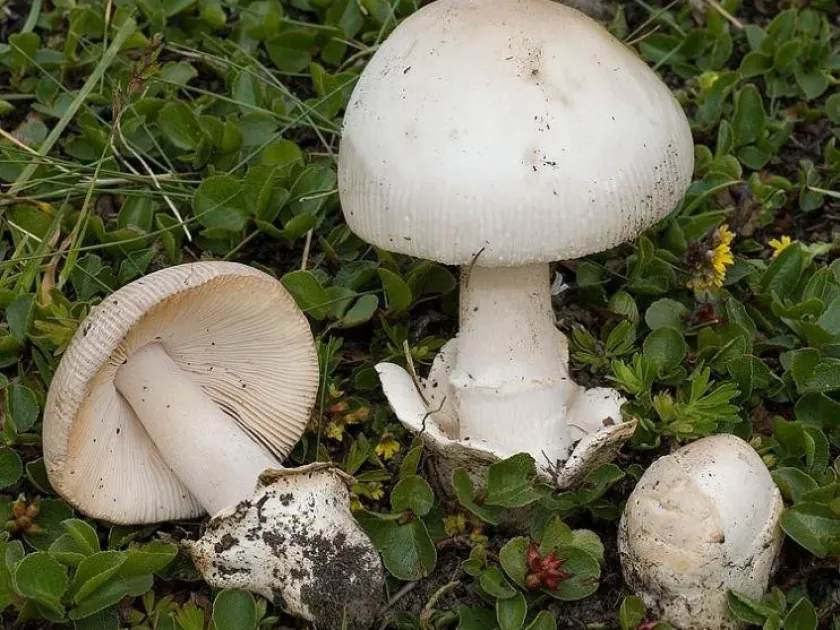
In terms of biology, the fungus is characterized by a snow-white cap and a lack of a ring on the stem, which is a distinctive feature of this species compared to other Amanita members.
The organism plays a vital role in nutrient cycling in mountain soils, breaking down forest litter and facilitating mineral uptake for host plants in harsh mountainous conditions.
From an agronomical perspective, the presence of Amanita nivalis does not warrant any pest control or protective measures, as it is a beneficial part of natural wild plant habitats rather than a threat to cultivated agriculture.
Discussion
No discussions yet — be the first.