
Grey spotted amanita
Amanita excelsa
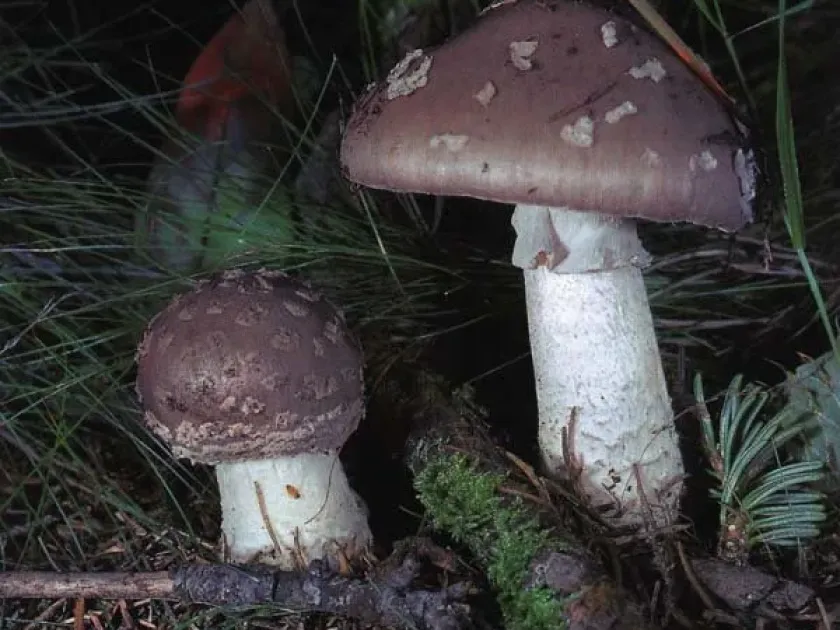
Description
Pathogen
The Amanita excelsa, commonly known as the grey spotted amanita, is not a plant pathogen or a disease-causing agent. It is an obligate mycorrhizal fungus that thrives in symbiotic relationships with forest trees.
The fungus acts as a partner by extending the reach of a tree's root system through its dense network of mycelium, effectively increasing the root absorption surface.
Unlike parasitic fungi, this species does not secrete enzymes that degrade living plant cell walls; rather, it facilitates the exchange of nutrients for carbohydrates.
There are no documented cases of Amanita excelsa causing plant diseases, leaf necrosis, or any form of decay in healthy plant tissues.
From an agronomical and forestry perspective, its presence is a sign of a healthy soil ecosystem where complex biological interactions support plant vigor.
Conditions for development
Amanita excelsa requires specific environmental conditions to fruit, primarily relying on the presence of a compatible tree host, such as pine, spruce, or deciduous species.
High soil moisture and a steady supply of organic matter are essential for the mycelium to maintain its vitality beneath the forest litter layer.
Cool to moderate temperatures, typically occurring in the autumn months, trigger the emergence of above-ground fruiting bodies from the subterranean network.
The fungus prefers undisturbed soil environments where the mycorrhizal connection between the fungus and tree roots can persist for many years.
Any disruption to the forest floor or root environment can negatively affect the development of these fungi, although the tree host typically remains unaffected.
Discussion
No discussions yet — be the first.