
Amanita ceciliae
Amanita ceciliae
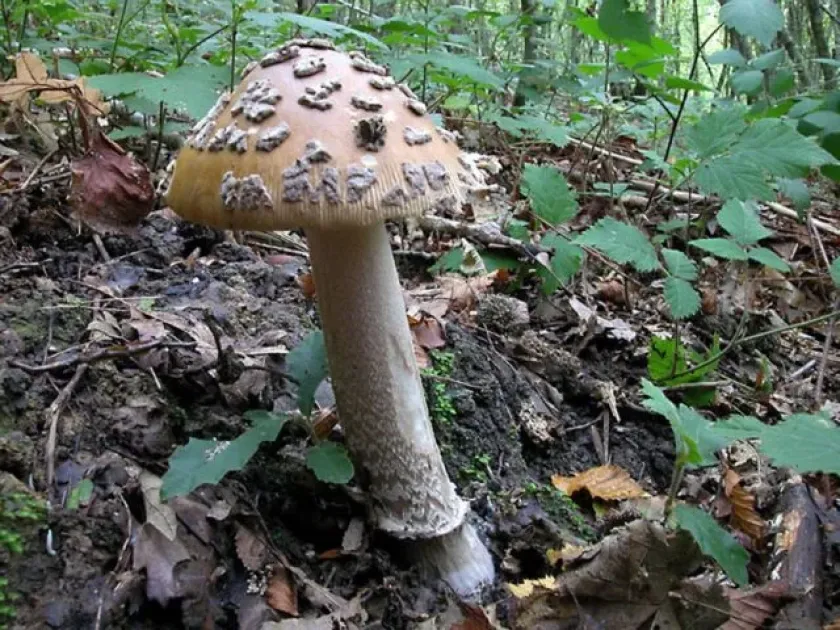
Description
Pathogen
The fungus known as Amanita ceciliae, or the snakeskin grisette, is not a plant disease. It is a non-parasitic species that plays a role in forest ecology rather than causing agricultural damage.
It does not function as a pathogen. There are no known instances where Amanita ceciliae infects or harms crops, fruits, or vegetables grown in gardens or industrial fields.
The fungus belongs to the family Amanitaceae and interacts with the soil through saprotrophic processes or by forming mycorrhizal associations with trees, helping them absorb nutrients.
Agricultural monitoring programs do not track this species because it possesses no traits that lead to crop yield reduction, plant necrosis, or systemic infections.
Growers should not confuse this species with pathogenic fungi such as root rots or rusts, as it does not pose a threat to the vegetative health of plants.
Conditions for development
Amanita ceciliae thrives in environments characterized by high humidity, shade, and rich, organic soils. These conditions allow the fungus to develop its mycelium effectively.
The fruiting bodies typically appear in the late summer and autumn months, especially after prolonged rainfall. They are often found in deciduous woodlands or near the edges of garden beds that mimic forest floor conditions.
Unlike plant diseases, which require specific hosts to proliferate, the development of this fungus is strictly dependent on soil temperature and the availability of decayed organic matter.
It does not spread through wind-borne spores that would cause disease in healthy crops, nor does it thrive in the types of environments associated with high-intensity monoculture farming.
Management techniques aimed at controlling plant pests are not required for this species, as its presence is completely benign within a balanced ecosystem.
Discussion
No discussions yet — be the first.