
Amanita calyptroderma
Amanita calyptroderma
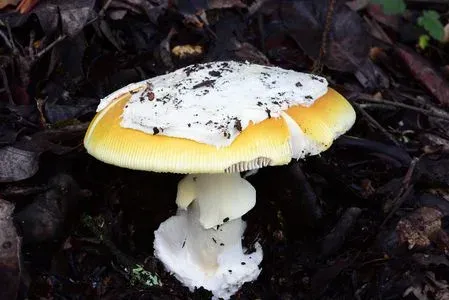
Description
Pathogen
It is scientifically inaccurate to classify Amanita calyptroderma as a plant disease or pathogen. This species is a wild mushroom that lives in symbiosis with various tree species, acting as a natural component of healthy forest ecosystems.
Unlike parasitic fungi that cause plant diseases, this species maintains a beneficial relationship with host trees. Through mycorrhizal connections, it facilitates the exchange of nutrients, improving the host tree's resistance to environmental stress.
There are no recorded symptoms of plant injury, decay, or foliage damage associated with this fungus. It does not infiltrate plant tissues to derive nutrients through pathogenesis, but instead relies on its relationship with root systems and forest organic matter.
From an agricultural standpoint, this organism is considered entirely harmless. It lacks the enzymatic mechanisms required to attack or infect living plants, and thus poses no risk to agricultural crops, horticultural plants, or commercial timber forests.
Control or mitigation measures are not required for this species. It is recognized as a vital element of biodiversity, and its presence is often an indicator of soil health and forest stability, rather than a sign of agricultural infestation.
Conditions for development
The development of Amanita calyptroderma is highly dependent on specific environmental niches, typically found in coastal regions. It thrives in soils that are rich in organic matter and maintain high levels of moisture throughout the growing season.
The symbiosis with woody hosts, such as oaks, is essential for the persistence of this fungus. In fields or orchards where monocultural practices or soil tilling are dominant, the fungal network is usually disrupted, preventing the growth of the mushroom.
Temperature fluctuations play a significant role in its life cycle. Mild autumn and spring temperatures, combined with consistent rainfall, are the primary triggers for the emergence of its large, distinctive fruiting bodies above the soil surface.
The fungus is sensitive to chemical amendments commonly used in industrial farming. High concentrations of nitrogen-based fertilizers and synthetic fungicides can negatively affect the delicate subterranean mycelial mats that sustain the fungus.
Proper soil aeration and a stable leaf litter layer are necessary conditions for the health of the fungal colonies. Disrupting the topsoil layer, such as through heavy machinery or intense cultivation, often leads to the disappearance of the species from a given area.
Discussion
No discussions yet — be the first.