
Alternaria leaf spot of grapevine
Alternaria viticola
Description
Symptoms
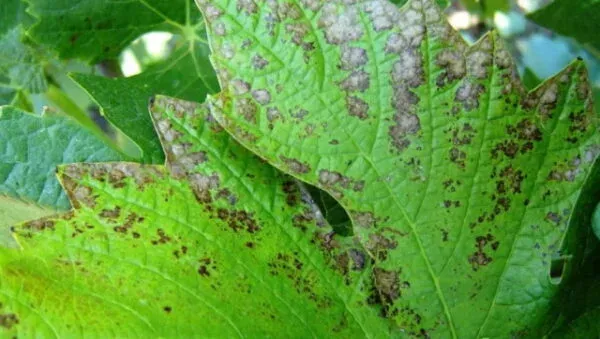
Symptoms often appear as small, circular, or irregular brown lesions on the leaves. These spots frequently have a dark margin and may be surrounded by a chlorotic halo.
A diagnostic sign is the presence of a velvety, olive-gray or blackish mold on the surface of the lesions. This mold represents the mass sporulation of the fungus.
As the disease progresses, leaves may turn yellow, wither, and drop prematurely. Extensive damage reduces the leaf canopy, which is essential for photosynthesis.
On clusters, the fungus causes sunken, dark spots on the skins of berries. Infected berries often shrivel and may eventually rot, leading to significant yield loss.
Shoot infections present as necrotic, dark brown stripes or lesions. These can weaken the structural integrity of the vine and inhibit the maturation of the wood.
Pathogen
The causal agent of this disease is the fungus Alternaria viticola. It is classified as an opportunistic pathogen that thrives on weakened plant tissues and persists in the environment.
The pathogen spreads through airborne conidia that travel easily between vines. These spores can also be disseminated by splashing rain and contaminated agricultural tools.
Infection is initiated when conidia land on susceptible surfaces and germinate in the presence of free water. The fungal hyphae enter the host plant through natural openings or small wounds.
This fungus targets various parts of the vine including leaves, shoots, and berries. It is particularly dangerous as it can develop rapidly during the critical stages of fruit ripening.
The fungus overwinters in plant debris and dormant buds. This cycle allows it to re-emerge every spring, posing a persistent threat to commercial vineyards.
Conditions for development
The development of Alternaria viticola is highly favored by warm and humid weather conditions. High humidity levels above 70-80% are essential for spore germination.
Frequent rainfall or heavy morning dews provide the necessary moisture for the pathogen to thrive. Extended periods of wet weather during summer promote severe outbreaks.
Poor vineyard management, such as excessive leaf density and lack of pruning, limits airflow. This creates a stagnant microclimate that encourages fungal infection.
Plants experiencing stress due to drought, nutritional deficiencies, or over-cropping are significantly more susceptible to successful colonization by the fungus.
The presence of unremoved infected plant material from previous seasons ensures high inoculum pressure, making it difficult to control the spread during the next season.
Why it matters
The disease negatively impacts fruit quality by ruining the appearance and taste of the berries. This makes the harvest unsuitable for fresh market or quality winemaking.
Premature defoliation caused by the disease reduces the vine's ability to accumulate sugar and reserves for the winter, potentially leading to poor vine growth.
Damage to the clusters directly impacts yield. In severe cases, the entire fruit set may be compromised, leading to significant economic losses for the grower.
The fungus can infect the rachis of the cluster, causing berries to shrivel or fall off. This reduces the weight and volume of the harvest significantly.
Persistent infections can lead to the overall decline of the vineyard, requiring increased inputs for fungicides and labor-intensive sanitation measures.
Protection
Cultural management is the first line of defense. Proper canopy management, including leaf thinning and hedging, is critical to improving airflow and reducing humidity.
Sanitation is vital for long-term control. Removing and destroying fallen leaves and infected prunings prevents the accumulation of inoculum in the vineyard.
Chemical control involves the timely application of fungicides. Preventive sprays using copper-based compounds are often effective if applied before the onset of conditions.
When the disease is established, systemic fungicides from the triazole or strobilurin groups may be used, provided that resistance management strategies are followed.
- Maintaining balanced nutrition to support vine vigor.
- Monitoring weather forecasts to predict high-risk periods.
- Using biological control agents during the late season.
Discussion
No discussions yet — be the first.