
Wheat Alternaria leaf blight
Alternaria triticina
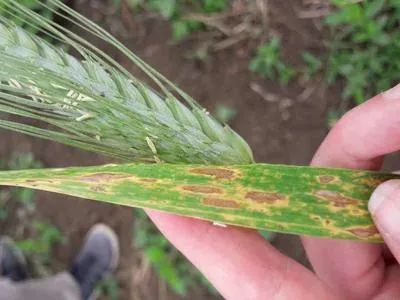
Description
Symptoms
The first symptoms appear as small, chlorotic spots on the lower leaves, which eventually turn into oval or irregular dark brown necrotic lesions.
A distinctive feature of the disease is the presence of concentric rings within the lesions, giving them a target-like appearance as the fungus grows outward.
In humid conditions, the lesions are often covered with a velvety olive-green to black coating, which consists of the sporulating fungal structures.
As the infection progresses, lesions expand and merge, resulting in complete leaf necrosis and the premature death of the foliage.
In severe cases, the fungus also infects the head and glumes, leading to the condition known as "black point" on the seeds, which compromises quality.
Pathogen
The disease is caused by the fungus Alternaria triticina, a well-known pathogen that specifically attacks wheat and other cereal crops in various regions of the world.
This fungus survives in the form of mycelium and conidia on plant debris, soil particles, and infected seeds, which serve as the primary source of inoculum.
It is characterized by rapid sporulation, where the fungus produces large numbers of conidia that are easily dispersed by wind and splashing rain to neighboring plants.
The pathogen is known for its ability to produce enzymes that break down plant cell walls, allowing it to penetrate and colonize host tissues effectively.
The genetic diversity of Alternaria triticina strains poses a challenge for wheat breeding programs, as the fungus can adapt to different environmental conditions.
Conditions for development
The development of the disease is highly dependent on humidity, with frequent rainfall or heavy dew promoting the germination of fungal spores.
Optimal temperatures for the growth and spread of the pathogen typically range from +20°C to +25°C, making warm, wet weather highly conducive to infection.
Dense crop stands create a microclimate with reduced air circulation, maintaining high moisture levels that favor the rapid development of the blight.
Plants under physiological stress, often due to nutrient deficiencies (especially potassium or nitrogen imbalances), are more susceptible to invasion.
Field margins and areas with high weed density can act as reservoirs for the pathogen, facilitating the early start of an epidemic in the main crop.
Why it matters
The primary impact of the disease is the reduction of the photosynthetic surface area, which directly leads to lower grain filling and weight.
Wheat yield can be significantly reduced, with losses ranging from 10% to 30% depending on the severity of the infection and the stage of crop development.
Seed quality is severely impaired, as the "black point" symptom reduces marketability, grain weight, and the overall germination rate of the seeds.
The presence of Alternaria toxins in the grain can affect its suitability for both human consumption and livestock feed, adding to the economic losses.
Early-season infections can lead to severe thinning of the crop stand, which forces the farmer to either replant or accept poor productivity for the season.
Protection
Effective management starts with the use of disease-free, high-quality seeds treated with systemic fungicides to eliminate any seed-borne inoculum.
Cultural practices, including deep plowing of crop residues, help to bury the infected stubble and reduce the primary inoculum load in the field.
The application of foliar fungicides during the flag leaf stage and early heading is crucial for protecting the upper canopy from infection.
Maintaining a balanced nutrient program ensures the crop is robust enough to defend against fungal attacks and limits the severity of the blight.
- Crop rotation with non-cereal crops.
- Selection of resistant or tolerant wheat varieties.
- Control of weeds that serve as alternative hosts.
- Proper plant spacing to improve canopy airflow.
- Regular scouting for early disease detection.
Discussion
No discussions yet — be the first.