
Soapwort alternaria leaf spot
Alternaria saponariae
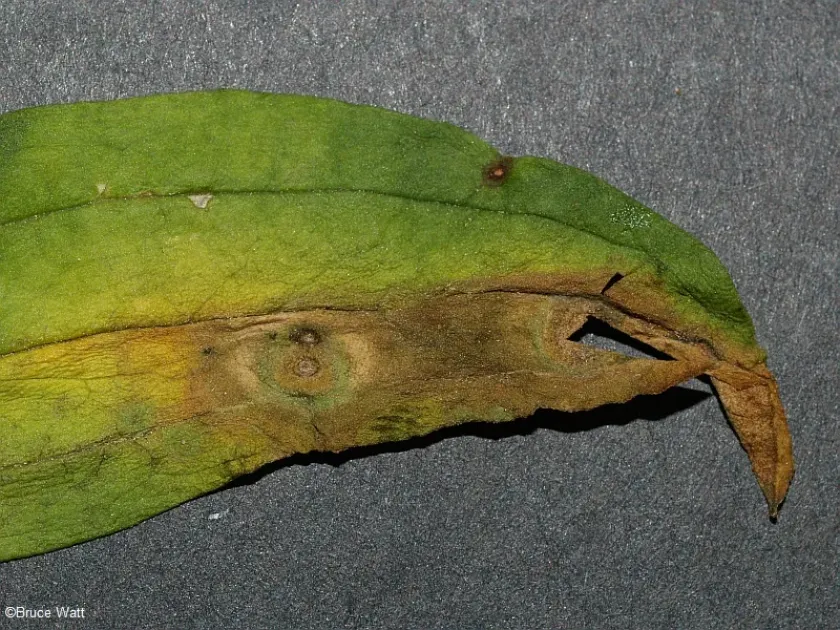
Description
Symptoms
Early symptoms appear as small, circular spots on the leaves that gradually increase in size. These spots often develop a light-colored center surrounded by a dark, almost black margin typical of Alternaria infections.
Under conditions of high humidity, an olive-black velvety layer of conidia and conidiophores forms on the surface of the lesions. This is a definitive diagnostic feature when inspecting affected plants.
Over time, these spots may coalesce, covering large portions of the leaf blade. Affected leaves turn yellow, curl, and drop prematurely, significantly weakening the plant's vigor.
Stem infection can result in dark, sunken lesions that may girdle the stem. This disrupts the transport of water and nutrients, leading to the wilting of affected branches.
Flower stalks may also be affected, leading to deformation or failure of the flowers to open properly, which significantly diminishes the ornamental value of the soapwort.
Pathogen
The causative agent of this disease is the fungal pathogen Alternaria saponariae. It belongs to the Deuteromycetes group, known for its ability to persist in soil and on plant debris for extended periods.
The pathogen's life cycle involves the production of conidia, which are easily dispersed by wind, splashing rain, or insects to healthy plant tissues. The fungus is highly adaptive to various environmental conditions during the growing season.
The fungus penetrates plant tissue through stomata or mechanical wounds on the leaf surface. Once inside, it develops a mycelium that absorbs nutrients, gradually leading to the degradation of host cellular structures.
The infection can overwinter as mycelium within fallen leaves or infected stems. This creates a persistent reservoir of the disease that activates once suitable conditions return in the spring.
Because the fungal spores can survive in the soil for multiple seasons even in the absence of a host plant, soil management and sanitation become critical components of disease prevention.
Conditions for development
The disease thrives in warm weather accompanied by high humidity and frequent rainfall. The optimal temperature range for spore germination is between 20 and 25 degrees Celsius.
Crowded plantings of soapwort reduce airflow in the canopy, which allows moisture to remain on leaves for extended periods. This persistence of surface water is a critical factor for successful fungal infection.
Shaded or poorly lit areas often experience higher humidity and reduced photosynthesis, making the plants more susceptible to fungal pathogens. Improper watering, such as overhead irrigation in the evening, creates an ideal environment for the fungus.
Nutrient deficiencies or other environmental stressors weaken the plant's immune response, making it more vulnerable to attack by Alternaria saponariae.
Poor soil drainage can also exacerbate the problem by maintaining a humid microclimate around the base of the plant, facilitating the spread of spores from the soil onto the foliage.
Why it matters
The primary harm is the destruction of the plant's ornamental quality, making it unsuitable for landscape use. Premature defoliation ruins the aesthetic appearance of the garden.
By interfering with photosynthesis, the disease prevents the plant from accumulating enough carbohydrates for successful overwintering, frequently leading to plant death during cold months.
Severe infections result in stunted growth and development, leading to sparse foliage and significantly reduced or completely absent flowering throughout the season.
The presence of the disease in a garden poses a threat to other susceptible ornamental plants, as the pathogen can spread rapidly if sanitary measures are ignored.
For professional nurseries and growers, the disease causes economic loss due to the need to discard infected plant material and the costs associated with repeated fungicide treatments.
Protection
Prevention starts with meticulous sanitation: all infected plant debris must be collected and destroyed at the end of the season to reduce the inoculum level for the next year.
Proper horticultural practices are essential: ensure adequate spacing between plants to improve airflow and avoid overhead watering to keep foliage dry.
If symptoms appear, systemic and contact fungicides should be applied. Rotating different chemical classes is recommended to prevent the development of fungal resistance.
Preventive application of biological fungicides can help manage fungal populations early in the season without the need for harsh chemicals.
Selecting disease-resistant cultivars and ensuring balanced mineral nutrition are critical steps in enhancing the plant's natural resistance to fungal pathogens.
Discussion
No discussions yet — be the first.