
Embellisia leaf spot
Alternaria embellisia
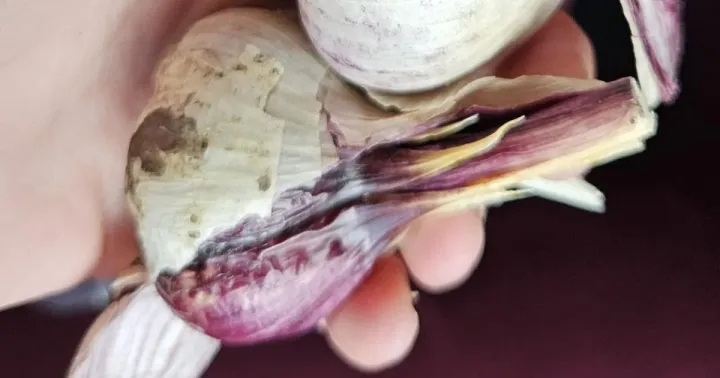
Description
Symptoms
Initial symptoms typically appear as small chlorotic spots that darken over time, turning brown or nearly black. The shape of these spots is often angular or circular, depending on the anatomical structure of the host plant's leaves.
As the disease progresses, a characteristic velvety layer forms on the surface of the affected areas, which represents the conidial sporulation of the fungus. This sporulation is a key diagnostic feature confirming the fungal nature of the lesion.
Severe infection leads to premature yellowing and necrosis of leaves. In some cases, the disease can spread to stems and flower stalks, causing deformation, cracking, or complete wilting, which significantly reduces the ornamental value and productivity of the crops.
In root crops, Embellisia infection can manifest as neck rot or root spot during storage, severely compromising the quality and shelf life of the harvest. The necrotic tissue provides entry points for secondary pathogens, accelerating the decay process.
- Appearance of small spots on lower leaves.
- Development of necrotic lesions with zonal patterns.
- Formation of dark, velvety sporulation.
- Wilting and premature leaf drop.
- Infection of flower stalks and seed pods.
Pathogen
Embellisia leaf spot is a fungal disease caused by the pathogen Embellisia species, which are closely related to the Alternaria genus. This mitosporic fungus affects a wide range of agricultural and ornamental crops, disrupting normal plant physiological processes.
The fungus mycelium can persist in the soil and on plant debris for extended periods, making it highly resilient to adverse environmental factors. The pathogen acts as a facultative parasite, capable of surviving saprotrophically while also actively invading living host tissues when conditions are favorable.
Conidia are primarily disseminated by wind, rain splashes, and through contact with contaminated agricultural equipment. The high reproductive capacity of the fungus allows for rapid infection across large fields, particularly where monoculture cropping systems are maintained.
The biology of the pathogen is adapted to survive across a broad range of temperatures, allowing it to remain active from late spring through autumn. The complex structure of the conidial cell walls provides significant protection against UV radiation and temporary desiccation.
Chlamydospores play a critical role in the fungal life cycle, allowing the pathogen to overwinter safely in the soil profile. These structures provide a primary source of inoculum for the following season, necessitating a systemic approach to soil sanitation and field management.
Conditions for development
The development of Embellisia leaf spot is directly influenced by humidity levels in both the air and soil. Excess moisture, prolonged rainfall, and poor canopy ventilation create an ideal environment for spore germination on plant surfaces.
Optimal temperatures for active fungal growth typically range between 20°C and 25°C. However, the pathogen can maintain moderate activity at lower temperatures, extending the duration of its destructive cycle throughout the growing season.
Poor agricultural practices, including high planting density and inadequate greenhouse ventilation, significantly accelerate epiphytotic development. Failure to control weeds is also a major factor, as many weed species serve as alternative hosts and reservoirs for the fungus.
Stressed plants, caused by improper irrigation or nutrient deficiencies, have a lowered immune response. Weakened plants are highly susceptible to Embellisia mycelium penetration, leading to rapid expansion of necrotic patches.
Mechanical injuries to plant tissues, such as those caused by hail or insect pests, provide easy entry points for mass infection. In such conditions, even a minor primary focus of infection can quickly evolve into a significant threat to the entire agrocenosis.
Why it matters
The harmfulness of the disease lies in the substantial loss of photosynthetic leaf area, which severely restricts the plant's ability to accumulate essential nutrients. This reduction in metabolic function leads to a drastic decrease in overall crop yield.
Commercial product quality suffers due to the loss of aesthetic value in vegetable and floral crops. Extensive wilting and necrosis make the affected products unmarketable, resulting in direct economic losses for farming operations.
When seed crops are infected, the pathogen can be transmitted via seeds, making them unsuitable for future propagation. Seedborne inoculum often results in seedling blight or early-stage disease development in nursery environments.
The long-term persistence of the pathogen in the soil complicates crop rotation, as susceptible species cannot be replanted on the same site for several years. This forces producers to extend crop rotation cycles, which can be economically challenging in intensive farming.
The disease may trigger premature plant maturation, which is not a natural physiological process but a stress response to tissue death. Consequently, fruits often form underdeveloped, smaller, and possess inferior taste and nutritional qualities.
Protection
The primary control measure is strict crop rotation, ensuring that susceptible species are not returned to the same field for at least 3-4 years. Selecting and planting resistant or tolerant cultivars is a crucial strategy for mitigating disease impact.
Cultural practices include the deep incorporation or removal of crop debris, as this is where the fungus overwinters. Regular weeding and proper plant pruning ensure better airflow, which helps to reduce microclimatic humidity within the crop canopy.
Chemical control involves the application of systemic fungicides effective against Alternaria-like fungi. Treatments should be initiated at the first sign of symptoms, adhering to recommended application frequencies to prevent the development of fungicide resistance.
Using disease-free planting material and seed treatment prior to sowing are essential preventive steps. The use of biological control agents, such as antagonistic fungi or bacteria, can be an effective prophylactic method, particularly in organic production systems.
Continuous monitoring of crop health and the prompt removal of infected plants allow for the containment of localized outbreaks. Additionally, maintaining balanced soil fertility is vital, particularly avoiding excess nitrogen, which creates lush, succulent tissues that are more vulnerable to infection.
Discussion
No discussions yet — be the first.