
Agaricus fissuratus
Agaricus fissuratus
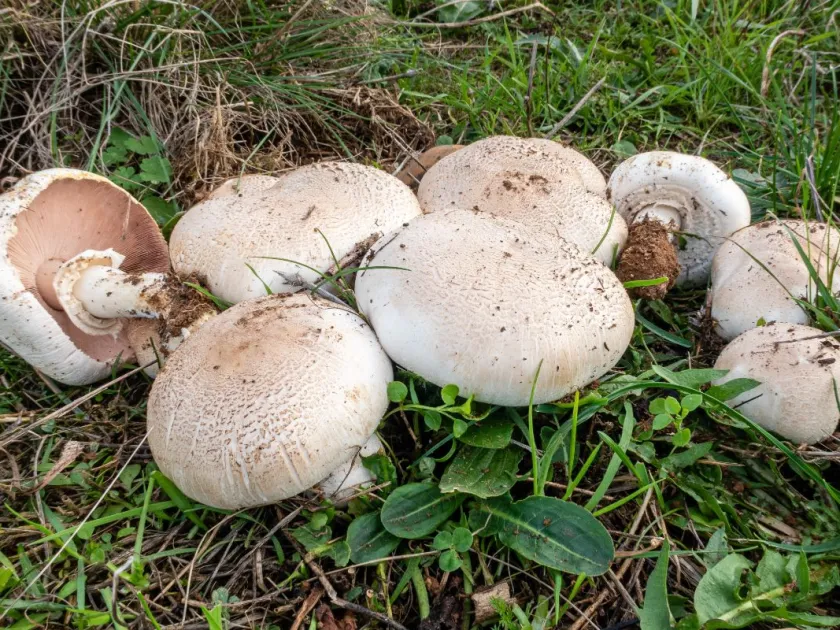
Description
Symptoms
The most visible symptom is the emergence of fruiting bodies on the surface of the casing soil, which differ morphologically from the commercial mushroom.
The cap of Agaricus fissuratus often exhibits prominent cracking on the surface as it matures, which serves as a key identifying characteristic for growers.
The mycelium often grows vigorously within the substrate, manifesting as dense white patches that compete directly with the commercial mycelium.
Localized patches of infection can spread rapidly across the growing beds, leading to stunted or deformed growth of the primary crop.
In advanced stages of colonization, the casing layer may exhibit signs of compaction or altered moisture retention, which hinders the crop cycle.
Pathogen
Agaricus fissuratus is recognized in professional mushroom farming as a competitive fungus that can interfere with the production of the commercial white button mushroom (Agaricus bisporus).
This organism belongs to the category of mycological competitors; while it is not a direct plant pathogen, its ecological role as a competitor for nutrients and space makes it a threat to yields.
The pathogen spreads through basidiospores that are often introduced into cultivation facilities via improperly pasteurized compost or contaminated air currents.
Its biological cycle is aggressive, allowing it to colonize nutrient-rich substrates rapidly, effectively displacing the intended fungal culture.
The presence of this fungus is typically an indicator of hygiene failures or deficiencies in the composting and pasteurization stage of mushroom production.
Conditions for development
Agaricus fissuratus thrives under the same environmental conditions required for commercial mushroom production, making it a persistent competitor.
Temperature ranges of 20-24 degrees Celsius are optimal for the rapid germination of spores and subsequent colonization of the substrate.
High relative humidity levels, which are essential for commercial mushroom formation, also act as a stimulus for the development of this competitive species.
Substrates that have not undergone full pasteurization or possess uneven nutrient distribution are particularly susceptible to invasion by this fungus.
Poor airflow and inadequate ventilation in growing rooms provide an ideal environment for spore accumulation and colonization.
Why it matters
The primary damage is a significant reduction in marketable yield, as the competitor occupies space and resources that would otherwise support the crop.
The aesthetic and quality degradation of the product necessitates labor-intensive sorting or, in severe cases, the disposal of the entire substrate lot.
Operational costs rise sharply due to the need for emergency sanitation measures, extra disinfection cycles, and potential loss of scheduled production time.
Constant competition for moisture and minerals results in lower quality, smaller mushrooms that do not meet commercial grading standards.
Uncontrolled spread can ruin multiple growing cycles, leading to substantial long-term economic losses for the mushroom farm.
Protection
The most effective strategy is the implementation of rigorous pasteurization protocols for the compost to ensure the total destruction of competitive spores.
Maintaining strict hygiene protocols, including regular disinfection of tools, clothing, and equipment, is essential to prevent cross-contamination.
Immediate removal of infected fruit bodies along with a surrounding layer of casing soil is required to halt the spread within the growing room.
Monitoring the growth of mycelium during the incubation phase allows for the early detection and removal of suspicious colonies before they spread.
- Strict control over raw materials for casing soil.
- Optimized ventilation and air filtration systems.
- Employee training on early disease identification.
- Routine cleaning of all surfaces between harvests.
Discussion
No discussions yet — be the first.