
Acaulosporaceae
Acaulosporaceae
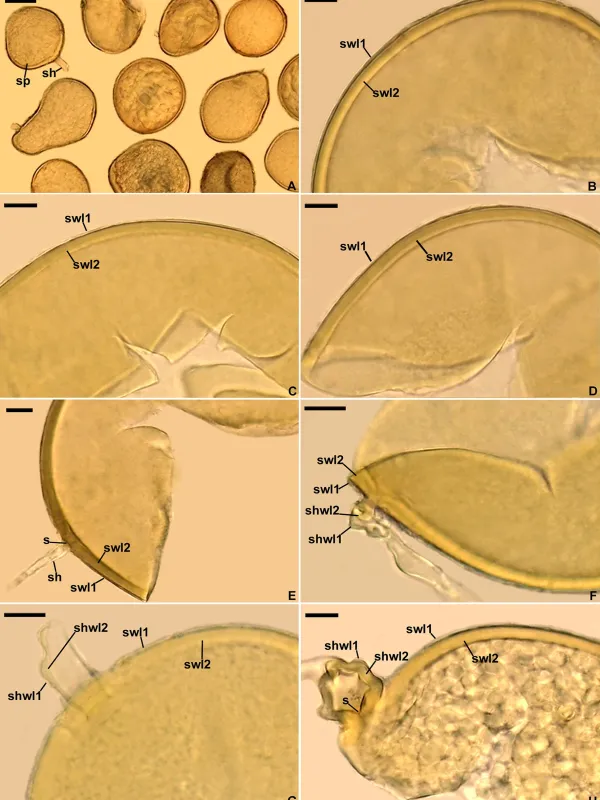
Description
Pathogen
Acaulosporaceae are not plant pathogens; instead, they are a family of arbuscular mycorrhizal fungi (AMF) that form beneficial symbiotic associations with the roots of vascular plants. They are crucial for nutrient cycling in various ecosystems, including agricultural land.
These fungi are characterized by their unique spore development process, where spores are formed laterally on a neck of a sporiferous saccule. This distinct biological trait requires professional identification, which is why they are sometimes mistakenly categorized by non-specialists.
The core of their relationship with plants is the formation of arbuscules within the root cortex. These structures allow for the efficient transfer of phosphorus, nitrogen, and essential micronutrients from the soil into the plant tissues in exchange for carbon.
Unlike parasitic organisms that destroy plant cells, Acaulosporaceae stimulate root development. They effectively extend the root system's reach, allowing plants to access nutrients and water stored in soil pores that would otherwise be unavailable.
They are widely distributed globally and are particularly valued in organic and sustainable farming for their ability to enhance plant growth without the need for excessive synthetic inputs.
Conditions for development
The growth and activity of Acaulosporaceae are highly influenced by soil environmental factors. They thrive in acidic to neutral soil conditions, which are often where phosphorus availability for plants is naturally lower, forcing the symbiosis to become more active.
Soil temperature is another key driver of their life cycle. Their spores typically germinate and proliferate during the primary growing season, with optimal soil temperatures ranging between 20°C and 30°C, aligning with crop development stages.
Soil moisture levels must remain within an moderate range to support the delicate hyphal network. Excessive flooding reduces soil oxygen levels, which can significantly inhibit the development of mycorrhizal fungi, while moderate moisture fosters healthy sporulation.
Intensive soil tillage is a major disruptive factor for these fungi. Frequent turning of the soil damages the underground mycelium network, which takes time to recover; thus, conservation tillage practices are highly beneficial for their population density.
Nutrient concentration in the soil, particularly phosphorus, plays a regulatory role. If the soil is overloaded with easily accessible synthetic phosphorus, plants may reduce their investment in mycorrhizal symbionts, leading to a decline in their activity.
Why it matters
There is no harm associated with Acaulosporaceae in agricultural contexts. They are considered one of the most important groups of soil biota that contribute to the overall yield and resilience of various crops, including cereals, fruits, and vegetables.
While they are not harmful, their absence in soil can lead to poor plant performance in nutrient-poor environments. Plants lacking a healthy mycorrhizal association are often more susceptible to nutrient deficiency and moisture stress.
In some integrated pest management studies, it has been observed that high levels of mycorrhizal colonization can potentially reduce the impact of soil-borne pathogens by occupying the root cortex and inducing systemic resistance in the plant.
The only negative aspect for a farmer could be the cost and labor involved in applying mycorrhizal inoculants if the soil is severely degraded or sterilized, but this is a management investment rather than a pest-related damage.
Consequently, maintaining a population of Acaulosporaceae is essential for building a resilient agroecosystem that can withstand climate fluctuations and reduced fertilizer availability.
Protection
The "control" of Acaulosporaceae is focused on conservation and stimulation of their population. Farmers should treat these fungi as a vital biological asset rather than a target for eradication.
- Adopting no-till or reduced tillage systems to protect hyphal structures.
- Using cover crops to ensure a continuous supply of host plants throughout the year.
- Avoiding the excessive use of broad-spectrum systemic fungicides that can have non-target effects on soil fungi.
- Incorporating organic matter or compost, which provides a favorable environment for beneficial soil microorganisms.
When soil degradation is severe, farmers can apply specialized inoculants containing AMF spores to "re-seed" the soil with these beneficial symbionts. This is particularly effective during the seedling stage.
Regular soil health testing, focusing on microbial activity and mycorrhizal colonization levels, allows farmers to make informed decisions about their fertilizer and pesticide regimes to support these vital fungal partners.
Discussion
No discussions yet — be the first.