
Streptomyces chartreusis
Streptomyces chartreusis
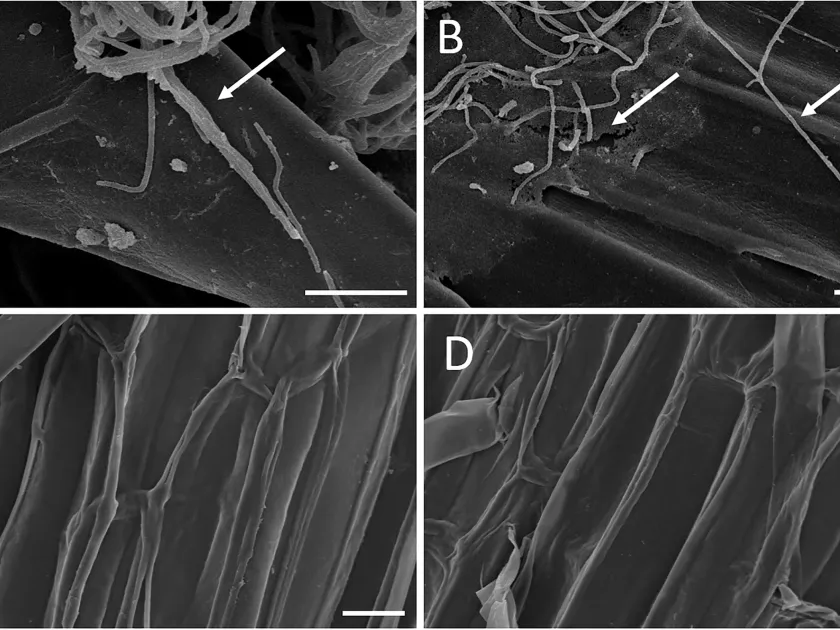
Description
Symptoms
Infected plants typically exhibit significant stunting and reduced vigor, as the root system loses the capacity to absorb water and essential minerals efficiently.
Localized brown or necrotic lesions are frequently observed on the roots, which can lead to the decay of finer root hairs in advanced stages of the disease.
In tuberous crops, the presence of the pathogen is marked by scabby, rough-textured lesions on the skin, which significantly lowers the marketability of the produce.
Plants often show signs of chlorosis or wilting during peak growth periods, indicating a severe failure of the vascular and root systems.
Under humid conditions, a fine, powdery, or mycelial growth may appear on the surface of the affected plant tissues, representing the active vegetative state of the pathogen.
Pathogen
Streptomyces chartreusis is a species of soil-dwelling Gram-positive bacteria belonging to the actinomycetes group, known for its complex filamentous growth.
While many species in this genus are beneficial producers of antibiotics, certain strains of Streptomyces chartreusis can function as opportunistic plant pathogens.
The organism colonizes the rhizosphere and root surfaces, where it can penetrate host tissues, causing structural damage and disrupting nutrient uptake.
Its ability to form resilient spores allows the bacterium to persist in the soil for extended periods, making it a challenging target for standard crop rotation practices.
The production of specific secondary metabolites by these bacteria often creates an antagonistic environment that suppresses the beneficial plant microbiome.
Conditions for development
The development of Streptomyces chartreusis is highly favored by neutral to slightly alkaline soil pH levels, where actinomycete activity is naturally elevated.
Warm soil temperatures ranging between 20°C and 25°C, combined with moderate moisture levels, create the ideal environment for the spread of the pathogen.
Continuous monocropping without appropriate fallow periods allows the bacterial population to reach threshold levels that cause visible economic damage.
Poor soil structure and compaction inhibit oxygen diffusion and drainage, promoting anaerobic pockets that exacerbate the impact of the pathogen on the roots.
The introduction of infected soil via farm machinery or contaminated planting material is a primary vector for the expansion of the pathogen to new fields.
Why it matters
The economic impact of Streptomyces chartreusis includes substantial reductions in crop yield, which can severely affect the profitability of agricultural operations.
Damaged crops are significantly more prone to secondary infections by rot-causing fungi and bacteria, leading to further losses during post-harvest storage.
The quality of the harvest is compromised, as internal plant chemistry is often altered, affecting flavor, texture, and overall nutritional value.
Farmers often find that their traditional high-yield varieties become non-viable due to extreme susceptibility, requiring a costly shift to resistant cultivars.
Long-term contamination of fields necessitates expensive remediation strategies and changes in land management, which impact long-term farming sustainability.
Protection
Implementing a rigorous crop rotation plan that includes non-host crops is the most effective long-term method for reducing the soil pathogen load.
The application of bio-control agents, specifically beneficial bacterial or fungal strains, can help outcompete Streptomyces in the rhizosphere.
Adjusting soil chemistry through the use of acidic fertilizers can create a less hospitable environment for the pathogen, thereby slowing its proliferation.
Effective water management and soil aeration practices are critical to ensuring plants maintain a strong defense mechanism against bacterial colonization.
- Using certified, disease-free planting material.
- Thorough sanitization of farm equipment between fields.
- Incorporating organic matter to enhance soil microbial diversity.
Discussion
No discussions yet — be the first.