
Stigonemataceae algae
Stigonemataceae
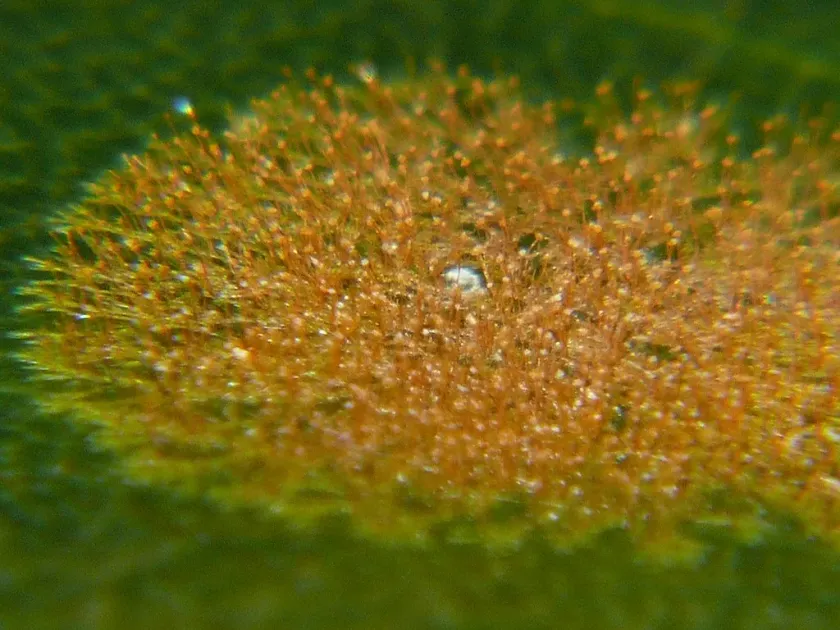
Description
Symptoms
Stigonemataceae algae appear as dark, typically dark green, brown, or almost black crusts on the surface of various plant parts. Unlike fungal infections, this layer often has a velvety or rigid, crusty texture.
The infestation is most commonly localized on leaves, stems, and young shoots of perennial crops growing in high-humidity conditions. The layer can cover significant areas, creating a dense film that visually resembles thick moss or a scab.
At the onset of development, algal colonies look like small patches that eventually merge into a single covering. Plants affected by Stigonemataceae algae lose their natural luster and healthy appearance, entering a stunted state.
Microscopic examination reveals the complex branched structure of the algal filaments (trichomes), which is their main diagnostic feature. The surface of the affected organ becomes rough, and the layer may crack when drying out.
In advanced cases, affected leaves begin to yellow and fall off prematurely. The intensity of the color of the layer can vary depending on the light exposure and the composition of minerals present in the moisture on the plant surface.
Pathogen
The causal agents are filamentous cyanobacteria of the family Stigonemataceae. These are multicellular organisms characterized by the presence of true branching of filaments, which is their primary diagnostic sign.
The type of infestation is epiphytic, where algae use the plant surface solely as a substrate for attachment. They do not penetrate inside the plant tissues, but their activity indirectly affects the host's physiological processes.
Cyanobacteria of this type are capable of fixing atmospheric nitrogen, which allows them to develop even on substrates poor in nutrients. During their life cycle, they form mucous sheaths that ensure the secure attachment of colonies to the plant.
Reproduction occurs vegetatively through the fragmentation of filaments or the formation of specialized cells called hormogonia. This ensures the rapid spread of colonies when water is present, which is necessary for their movement and attachment to new areas.
Stigonemataceae are resistant to sudden changes in environmental conditions, including periods of desiccation. They are capable of entering a state of dormancy, resuming growth as soon as the plant surface is remoistened.
Conditions for development
A key factor in the development of Stigonemataceae algae is high air humidity and the presence of liquid moisture on the surface of plant organs. Epiphytes actively multiply in shaded areas where moisture is retained for long periods.
Frequent fog, heavy dew, or improperly organized overhead irrigation contribute to the rapid spread of spores and algae fragments. Dense plantings that hinder normal ventilation create an ideal microclimate.
Weakened plants with a compromised waxy layer on their leaves become more susceptible to colony attachment. Lack of direct sunlight makes the plant surface more suitable for colonization by blue-green algae.
The presence of mineral salts and dust on the leaf surface plays an important role, serving as an additional nutrient substrate. In orchards and nurseries, intensive development is observed during periods of prolonged rain in the spring-summer season.
A temperature range of 15–25 degrees Celsius is optimal for active photosynthesis and the growth of cyanobacteria filaments. Low light levels also contribute to the dominance of these organisms over other epiphytes.
Why it matters
The main damage consists of shielding the leaf surface, which leads to a significant decrease in photosynthesis intensity. The plant experiences an energy deficit, which slows down its growth and development, reducing overall productivity.
The dense layer of algae mechanically blocks the stomata, disrupting the plant's normal gas exchange and transpiration. This can lead to tissue overheating and water balance disruption on hot, sunny days.
Creating a favorable environment under the algal cover promotes the development of secondary pathogens, such as fungi and bacteria, which can penetrate plant tissues. This significantly increases the risk of infectious rot.
Aesthetically, the infestation of ornamental crops and fruits of commercial quality leads to their devaluation. Affected fruits lose their marketability, which is critical for market varieties of vegetables and fruits.
Chronic infestation leads to premature aging of shoots and a general decrease in plant immunity. On an industrial scale, this leads to lower yields and a reduction in the lifespan of perennial plantations.
Protection
Prevention begins with ensuring good aeration of plantings through timely pruning and crown formation. It is important to avoid excessive moisture in the root zone and prevent water stagnation on the leaves.
It is recommended to use root-zone irrigation to minimize the wetting of the leaf blade. Regular cleaning of plantings and the removal of heavily infested branches reduce the inoculum pressure in the area.
To combat existing layers, copper-based fungicides are used, which effectively suppress the development of cyanobacteria. It is important to follow dosage instructions to avoid burning the crop plants themselves.
The use of sulfur-based preparations also shows satisfactory results, creating an environment unfavorable for algal growth. These treatments should be applied in overcast weather or during the evening hours.
As a long-term protective measure, it is necessary to maintain an optimal level of mineral nutrition for plants so that they have a strong epidermis and a natural protective waxy layer that prevents colony attachment.
Discussion
No discussions yet — be the first.