
Serratia entomophila
Serratia entomophila
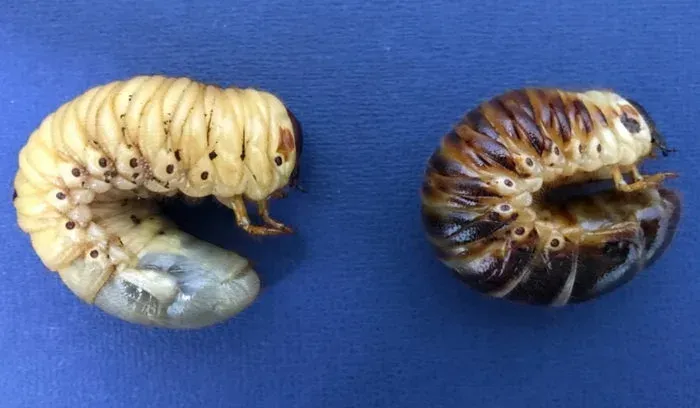
Description
Symptoms
The clinical signs of infection in larvae begin with a cessation of feeding activity, which is the most immediate indicator.
Infected larvae typically exhibit a swelling of the gut, which becomes visibly distended due to the rapid multiplication of bacteria.
A characteristic color change, with the larva turning a pale or milky white, is a hallmark of the advanced stage of infection.
There is a noticeable loss of turgor in the larval body, leading to a flaccid appearance and eventual disintegration of internal structures.
The insect dies within the soil, and the carcass serves as a source for further bacterial transmission to other susceptible larvae.
Pathogen
Serratia entomophila is a Gram-negative soil-dwelling bacterium known primarily for its role as a specific insect pathogen.
It belongs to the Yersiniaceae family and is classified as an obligate entomopathogen, targeting specific larvae within the soil environment.
The mode of action involves the ingestion of spores by the target insect, which subsequently colonizes the digestive tract.
Once inside, the bacteria produce specific toxins that inhibit the feeding behavior of the host, leading to starvation and death.
This biological mechanism is highly specific, ensuring that the pathogen does not pose a threat to plant tissues or beneficial fauna.
Conditions for development
The environmental requirements for Serratia entomophila success include moderate soil moisture and stable temperature conditions.
Temperatures ranging from 15 to 25 degrees Celsius are considered ideal for the efficient spread and development of the disease.
The presence of organic matter in the soil helps maintain a favorable environment for the survival of the bacterial population.
High host density facilitates the transition of the pathogen into an epizootic state, increasing the efficacy of the biological control.
Soil depth provides protection from harmful UV radiation, which is essential for the long-term viability of the bacterial spores in the field.
Why it matters
Serratia entomophila is not a plant pathogen; it does not infect or damage crops, making it safe for agricultural implementation.
Its impact is purely beneficial for farmers, as it actively reduces populations of root-feeding larvae that destroy crop systems.
By curbing the population of white grubs and similar pests, the bacterium prevents significant yield losses in pastures and cereal crops.
The use of this bacterium helps to maintain ecological balance in the soil, avoiding the need for harsh chemical insecticides.
Consequently, the only harm it causes is directed at the specific pest species, sparing non-target organisms and the plants themselves.
Protection
Agricultural control strategies involve the strategic application of bio-preparations containing viable spores of the bacterium.
Application methods include soil drenching or incorporating granular formulations directly into the root zone of the target crops.
Monitoring pest density is crucial for determining the timing of application to ensure optimal infection rates among the larvae.
Integrating biological control with balanced crop rotation helps to sustain the impact of the pathogen over multiple growing seasons.
Maintaining proper soil health and structure supports the survival of the bacteria and enhances their efficacy in the agricultural ecosystem.
Discussion
No discussions yet — be the first.