
Scytonemataceae algae
Scytonemataceae
Description
Symptoms
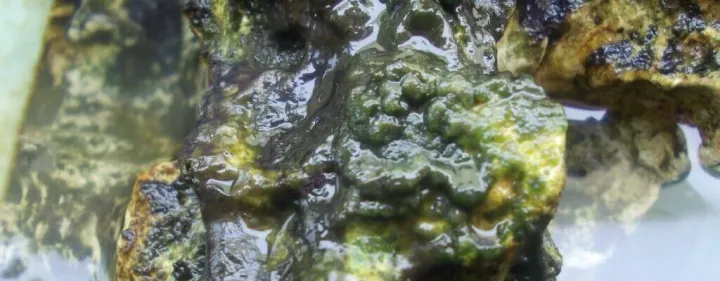
Scytonemataceae algae manifest as dense, dark-colored mats on the soil surface, often displaying shades of blue-green, brown, or black. These colonies are highly visible against the bare soil of field beds or nursery containers.
Under humid conditions, the affected areas become noticeably slick or slimy to the touch. This characteristic biofilm inhibits the normal appearance of the soil surface and can persist even after the top layer of dirt has dried out.
As the soil dries, these algal mats transform into brittle, crust-like sheets that may crack and lift. This phenomenon is a clear indicator of a mature colony that has successfully established itself on the site.
Around young seedlings, these algae can create a seal that prevents proper soil aeration. This physical barrier often appears as a shiny, dark layer surrounding the base of the stems, creating an obvious distinction from healthy soil.
Microscopic examination reveals the hallmark of this family: false branching of the trichomes. These filaments are tightly intertwined with soil particles, effectively binding the surface layer into a cohesive, non-porous mat.
Pathogen
The causal agents are cyanobacteria belonging to the family Scytonemataceae. These are photoautotrophic organisms, meaning they derive energy from sunlight and carbon from the atmosphere, making them independent of organic soil carbon.
A key biological trait is their ability to fix atmospheric nitrogen via heterocysts. This allows them to thrive in nitrogen-poor soils where competitive plants or other microbes might struggle to survive.
They reproduce primarily through vegetative fragmentation. Small pieces of the filaments, known as hormogonia, are easily dispersed by irrigation, heavy rainfall, or mechanical equipment to colonize new areas of the field.
These organisms are highly resilient due to their thick, mucilaginous sheaths. These sheaths protect the cells from intense solar radiation and desiccation, allowing the colony to survive long periods of unfavorable conditions.
While not traditional plant pathogens that invade plant tissues, they act as ecological disruptors by monopolizing the surface interface between the soil and the plant, altering local chemical environments.
Conditions for development
The primary driver for the development of Scytonemataceae is excess moisture. Poor drainage and standing water create the optimal conditions for these algae to flourish and form extensive surface mats.
Intense solar radiation is a requirement, as these organisms are photosynthetic. They thrive in open, poorly covered areas where direct sunlight hits the damp soil surface consistently throughout the day.
A deficiency in available nitrogen in the soil acts as a growth trigger. Since these cyanobacteria are nitrogen-fixers, they gain a significant competitive advantage in nutrient-poor conditions, rapidly outgrowing other microflora.
Soil compaction exacerbates the issue by limiting downward water movement. This forces moisture to accumulate on the surface, providing a stable aquatic micro-environment for the algae to expand their colonies.
Temperature plays a vital role; warm, humid climates accelerate the metabolic rates of these cyanobacteria, allowing them to cover large surface areas in a matter of days following an irrigation cycle.
Why it matters
The primary harm is the formation of a physical crust that hinders seedling emergence. The algae-bound soil layer is often too tough for delicate emerging sprouts to penetrate, leading to significant stand reduction.
Soil aeration is severely compromised. The algal mat acts as a vapor and gas barrier, depriving the root system of essential oxygen and increasing the risk of root suffocation and metabolic stress.
The presence of algae facilitates the development of soil-borne fungi. The stagnant, moist interface beneath the algal mat serves as an ideal breeding ground for pathogens that cause damping-off diseases.
In high-value agricultural settings, such as greenhouses or hydroponic systems, the proliferation of these algae can reduce quality, increase labor costs for surface cleaning, and degrade the visual appeal of nursery stock.
By competing for surface space and light, they can stunt the initial growth phase of crops, especially in rice paddies or during the early spring development of sensitive vegetable seedlings.
Protection
Effective management begins with improving field drainage. Ensuring that water does not pool on the surface is the most sustainable way to prevent the establishment of these algal communities.
Mechanical disruption of the soil surface, such as light tilling or raking, is highly effective. It breaks the algal mat, exposes the filaments to drying, and restores air exchange to the soil surface.
Balancing soil fertility is essential. Ensuring adequate nitrogen levels in the soil reduces the competitive advantage of nitrogen-fixing Scytonemataceae, shifting the balance back toward beneficial soil microflora.
Mulching can be used to prevent algal growth in nurseries or orchards. By covering the soil and blocking sunlight, you remove the energy source required for the algae to photosynthesize and expand.
In specialized cases involving protected agriculture, chemical algicides may be used. These treatments must be applied cautiously to ensure they do not harm the crop and are compatible with overall soil management practices.
Discussion
No discussions yet — be the first.