
Salmonella on plants
Salmonella typhimurium
Description
Pathogen
The pathogen is the bacterium Salmonella typhimurium, which is primarily recognized in agronomy as a significant food safety risk rather than a direct plant disease.
The bacterium is a Gram-negative facultative anaerobe that can colonize the surface and internal tissues of fresh produce, including leafy greens and tomatoes.
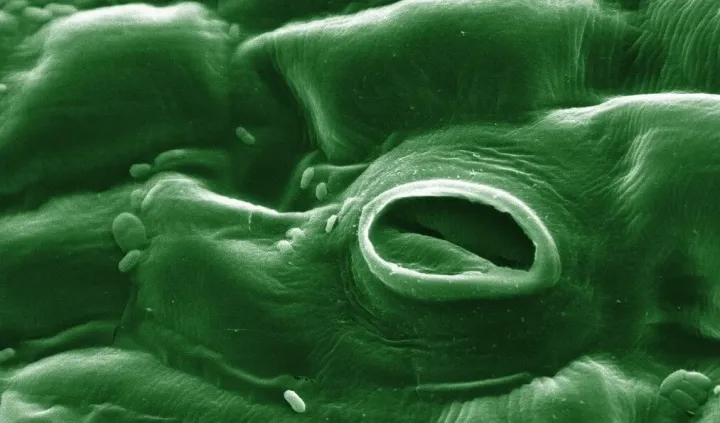
It enters plant tissues through natural openings such as stomata or via physical injuries caused by handling or pest damage during the growing season.
Once inside, the bacteria can persist in the apoplast or xylem, making simple washing techniques ineffective at completely eliminating the threat.
Salmonella acts as an opportunistic colonizer in agricultural environments, capable of survival in soil, irrigation water, and decaying plant material.
Conditions for development
Conditions favorable for the spread of Salmonella include the application of untreated manure or contaminated compost as fertilizers in the field.
Irrigation with water sourced from surface ponds or rivers contaminated with agricultural run-off significantly increases the risk of plant colonization.
High humidity and warm weather are critical environmental drivers that promote the rapid proliferation of the bacteria on plant foliage and fruit surfaces.
Poor field sanitation, including the presence of animal waste or wildlife activity, allows for the introduction of the pathogen into the crop production area.
In greenhouses, inadequate irrigation system maintenance and poor personnel hygiene protocols create a cycle of persistent bacterial contamination.
Why it matters
The primary concern is the potential for severe human foodborne illness (salmonellosis) following the consumption of fresh, raw contaminated produce.
Economic damage occurs when contaminated batches are detected, leading to mandatory recalls, massive disposal costs, and potential legal consequences for growers.
Brand reputation can be irreversibly damaged if a farming operation is linked to an outbreak of foodborne disease caused by their supplied produce.
Stringent export regulations often restrict trade for regions with high rates of environmental contamination, directly impacting the profitability of agriculture.
Increased regulatory oversight and mandatory testing requirements raise operational costs for farms striving to maintain high safety certifications.
Protection
Effective management requires a comprehensive approach to agricultural safety, focusing on preventing the pathogen from entering the food supply chain.
- Ensuring proper composting of all organic amendments prior to field application.
- Rigorous testing and treatment of all water sources utilized for crop irrigation.
- Implementing buffer zones to prevent runoff from livestock areas into croplands.
- Strict adherence to hygiene protocols for equipment and manual labor during harvest.
- Regular environmental and microbial testing to ensure compliance with food safety standards.
Integrated farm management strategies prioritize the reduction of direct contact between raw produce and environmental contaminants.
The use of advanced irrigation methods, such as drip irrigation, minimizes the contact of contaminated water with the edible parts of plants.
Post-harvest handling processes, including professional washing and sanitization, are crucial to reducing the surface load of Salmonella on harvested items.
Discussion
No discussions yet — be the first.