
Salmonellosis of vegetable crops
Salmonella choleraesuis
Description
Pathogen
The causative agent is Salmonella choleraesuis, a bacterium belonging to the Enterobacteriaceae family. It is a facultative anaerobe that, while not a classic phytopathogen, colonizes plant tissues.
The bacterium is highly resistant to environmental stress, enabling long-term survival in soil, irrigation water, and on the surface of harvested vegetables.
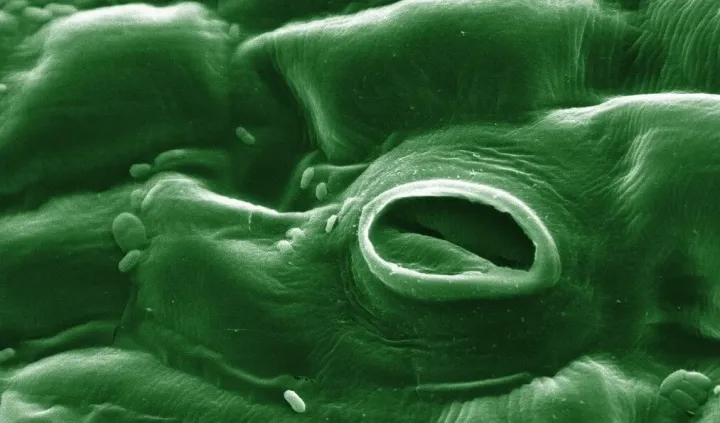
It enters plant tissues through natural openings like stomata or through cracks caused by environmental factors or mechanical harvesting damage.
As it does not cause visible plant decay or necrosis, the crop remains asymptomatic, acting as a silent vector for human foodborne illness.
The biology of Salmonella allows it to thrive in the rhizosphere, effectively utilizing plant exudates for growth and survival.
Conditions for development
The primary source of contamination is the application of improperly treated manure or biosolids to the field during fertilization.
High humidity levels and moderate temperatures create an ideal microclimate on the leaves and soil surface for bacterial proliferation.
Using contaminated water from open sources, such as ponds or rivers affected by agricultural runoff, is a high-risk factor for infection.
Poor hygienic practices during irrigation, particularly overhead spraying, encourage the spread of the pathogen from the soil to the edible parts of the plants.
High soil organic matter content can act as a reservoir for the bacterium, especially when crop rotation is not strictly followed.
Why it matters
The primary harm is the risk to human health, as contaminated vegetables can cause severe outbreaks of salmonellosis upon consumption.
Once internalized into the plant tissue, the bacteria cannot be easily removed by washing, posing a significant food safety hazard.
Farmers face severe economic consequences, including the total loss of marketable produce if contamination is detected during quality checks.
Strict regulations prevent the sale and export of infected vegetable batches, leading to supply chain disruptions and legal liabilities.
Reputational damage to the producer is significant, often resulting in strict governmental oversight and potential closure of operations.
Protection
Prevention relies on strict adherence to composting regulations, ensuring all manure is properly processed to eliminate enteric pathogens.
Regular water quality testing and the use of protected water sources are essential for mitigating the spread of bacteria during the growing season.
Workers must follow stringent personal hygiene protocols, and all harvesting tools must be cleaned and disinfected regularly.
- Regular microbiological testing of the soil and harvested produce.
- Proper buffer zones to keep wildlife and farm livestock away from fields.
- Implementation of Good Agricultural Practices (GAP) to minimize pathogen exposure.
Managing the post-harvest chain is equally critical, ensuring that cooling and storage facilities remain free from contamination to prevent cross-contamination.
Discussion
No discussions yet — be the first.