
Rivularia bullata
Rivularia bullata
Description
Symptoms
The primary visual sign is the presence of small, jelly-like swellings or bumps on the stems and leaves of submerged vegetation.
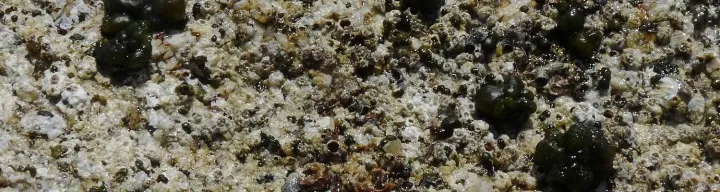
These colonies have a firm, slippery texture and often appear translucent when young, darkening with age to a deep olive or blackish color.
Affected plant surfaces may show chlorosis or stunted growth due to the blockage of light caused by the attached algal mass.
Clusters of these colonies can grow together, forming extensive biofilms that cover large portions of the host plant.
The tactile indicator is a slimy, resilient feel upon touching the affected surfaces, which distinguishes them from typical plant tissues.
Pathogen
Rivularia bullata is a species of colonial cyanobacteria belonging to the order Nostocales, known for forming distinct mucilaginous colonies.
While not a traditional plant pathogen, it acts as a biofouling agent that can significantly impact the health and vitality of aquatic macrophytes.
The organism consists of complex filaments organized into spherical or hemispherical structures enveloped in a gelatinous sheath.
It possesses specialized cells that allow for nitrogen fixation, enabling growth in nutrient-limited environments where competition is high.
These cyanobacteria adhere firmly to aquatic surfaces, utilizing their sticky matrix to maintain stability against water currents.
Conditions for development
Rivularia bullata thrives in shallow, well-lit water bodies with minimal flow, allowing for steady accumulation of biomass.
The development is significantly enhanced by eutrophication, particularly the influx of phosphorus and nitrogen from agricultural runoff.
Warm water temperatures, ideally between 20°C and 28°C, accelerate the metabolic and reproductive rates of the colonies.
Stable, neutral to slightly alkaline pH levels are conducive to the structural formation and colonization processes of this species.
Lack of turbulence and low water exchange rates are critical environmental triggers that favor the establishment of large colonies.
Why it matters
The dense colonies impede photosynthesis by blocking sunlight, which weakens aquatic plants and reduces their biomass production.
The presence of biofilms can disrupt nutrient and gas exchange, negatively affecting the metabolic processes of the host aquatic plant.
In irrigation or fish farming systems, excessive growth causes mechanical clogging of filters, pumps, and spray nozzles.
The decay of accumulated biomass consumes dissolved oxygen in the water, posing a risk of hypoxia for fish and other aquatic fauna.
These organisms complicate water management by altering local water chemistry and creating unhygienic conditions in reservoirs.
Protection
Nutrient management is the primary preventative measure; reducing runoff from fertilizers is essential to limit algal growth.
Mechanical removal, such as scrubbing or periodic harvesting of infested vegetation, is an effective way to suppress local populations.
The application of approved algaecides can be used in controlled environments, provided that safety guidelines are strictly followed.
Increasing water circulation and aeration can disturb the physical environment required for the colonization and adhesion of these algae.
Integrated management plans may include stocking water bodies with herbivorous fish that consume algal biomass to maintain ecological balance.
Discussion
No discussions yet — be the first.