
Crown gall of raspberry
Rhizobium rubi
Description
Symptoms
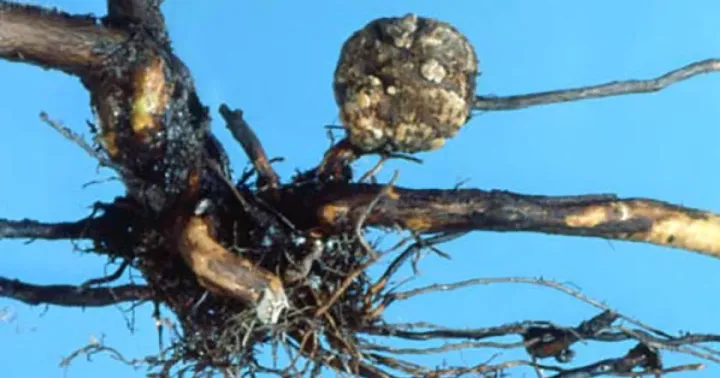
The primary symptom of crown gall is the development of abnormal growths, or galls, on the roots, crown, and sometimes the lower stems of the raspberry plant. Initially, these galls are light-colored, soft, and spongy.
As the disease progresses, the galls harden, become woody, and darken to a deep brown or black color. Their surface is often irregular and warty, significantly deforming the architecture of the plant's root system.
Above-ground symptoms include stunted growth, chlorotic (yellowing) leaves, and reduced vigor. Because the galls disrupt the xylem and phloem tissues, the plant's ability to transport water and nutrients is severely compromised.
In periods of drought or high heat, infected plants are the first to show signs of wilting and may die due to the inability to meet water demands. Fruit production is drastically lowered, with berries becoming small and unmarketable.
Visual inspection during plant removal is the most reliable diagnostic method. The presence of these woody galls on the root collar is a definitive indicator of Rhizobium rubi infection.
Pathogen
The causative agent of crown gall in raspberries is the soil-borne bacterium Rhizobium rubi (formerly Agrobacterium tumefaciens). This pathogen acts by transferring its genetic material into the host plant's cells, inducing them to grow abnormally.
The bacterium enters the plant through physical wounds and micro-traumas in the root system or crown, often caused during transplanting, cultivation, or by soil-dwelling pests. Once inside, it triggers a massive, disorganized cell division.
This pathogen is highly resilient and can persist in the soil for several years without a host plant. It thrives in various soil types, making it a persistent challenge for commercial and home berry growers alike.
Beyond raspberries, the pathogen affects a wide range of plants, including blackberries, strawberries, and various fruit trees. This broad host range facilitates the accumulation and spread of the disease across different parts of an orchard or garden.
Dissemination usually occurs through contaminated nursery stock, movement of infested soil via equipment, or through irrigation water. Once established in a site, the bacteria become a permanent part of the local microflora.
Why it matters
Crown gall is particularly dangerous because it often goes unnoticed during the initial planting phase. Infested nursery plants can introduce the bacteria into pristine soil, leading to a gradual decline of the entire plantation.
The disease causes significant economic loss by reducing the productive lifespan of the raspberry patch. Infected plants become increasingly weak over time, often succumbing to secondary infections or winter damage.
Yield loss is the most immediate impact, as affected canes fail to develop properly. This leads to sparse growth and lower quality berries, which fail to meet consumer or market standards.
The inability to use chemical treatments to cure existing galls means that infected plants must be destroyed. This increases labor costs and forces the removal of potentially productive bushes, impacting the farm's overall profitability.
The persistence of the pathogen in the soil means that the infested area becomes unsuitable for replanting raspberries for several years, forcing growers to search for new land or change crop rotation patterns entirely.
Protection
Prevention is the only effective strategy for managing crown gall. Growers should source planting material exclusively from reputable nurseries that provide disease-free certification and follow strict quarantine protocols.
Before planting, inspect all roots thoroughly. Any nursery stock displaying visible galls or suspicious scarring should be rejected and destroyed immediately to prevent the introduction of the pathogen to the site.
Practice good sanitation by cleaning tools and machinery after working in areas where crown gall is suspected. Minimize mechanical damage to the roots during pruning or hoeing to avoid creating entry points for the bacteria.
Control soil pests such as white grubs or nematodes, as their feeding activities create the wounds that allow the bacteria to infiltrate the root system. Maintain balanced soil fertility to ensure overall plant vigor.
If infection is discovered, remove the entire plant, including as much of the root system as possible, and burn it. Do not compost infected plant material. Crop rotation with non-host species is recommended before replanting raspberries in the same location.
Discussion
No discussions yet — be the first.