
Hairy root disease
Rhizobium rhizogenes
Description
Symptoms
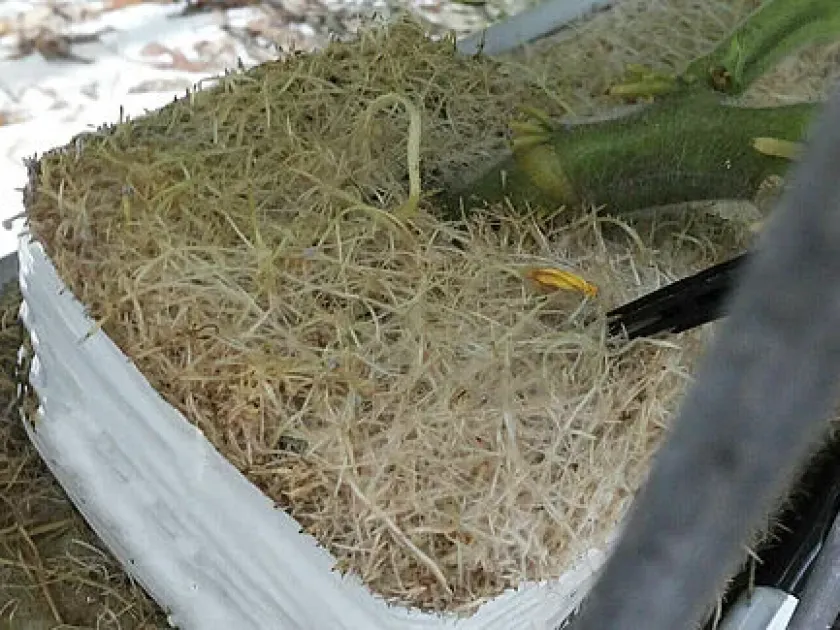
The diagnostic symptom of the disease is the development of a dense, matted mass of thin, adventitious roots, resembling a "hairy" or "bearded" root system.
Infected plants often display gall-like structures on the roots, from which the prolific, abnormal root growth originates and spreads throughout the root zone.
The root system loses its standard architecture, becoming inefficient at absorbing water and essential nutrients from the surrounding soil or substrate.
Above-ground symptoms include stunting, yellowing of foliage (chlorosis), and wilting, as the crippled root system fails to meet the plant's physiological demands.
In severe cases, the entire root architecture becomes distorted, and the plants show signs of severe nutrient deficiency despite adequate fertilization.
Pathogen
The disease is caused by the soil-borne bacterium Rhizobium rhizogenes (formerly classified as Agrobacterium rhizogenes), known for its ability to genetically transform host plants.
The bacterium carries a specific Ri-plasmid (root-inducing plasmid), which it transfers into the plant cell nucleus during the infection process.
This genetic integration forces the plant cells to produce opines, which act as a specialized nutritional source exclusively for the invading bacterial population.
The transferred genes also manipulate the plant's hormonal balance, specifically increasing auxin production, which triggers uncontrolled growth of adventitious roots.
The infection process typically begins at sites of wounds or tissue damage on the roots or stems, where the bacteria successfully attach to the cell walls.
Conditions for development
Rhizobium rhizogenes thrives in the soil and can persist in organic matter and moist environments for extended periods without a host plant.
Transmission occurs primarily through contaminated soil, irrigation water, and the use of unsterilized tools during plant pruning or propagation.
The development of the disease is favored by high humidity and temperatures between 20°C and 25°C, which support bacterial colonization of the rhizosphere.
Plants with root injuries, often caused during transplanting, potting, or cultivation practices, are significantly more susceptible to bacterial infiltration.
In greenhouse settings, the constant moisture and recycled irrigation systems facilitate the rapid spread of the pathogen from one container to another.
Why it matters
The primary damage results from the disruption of root function, which limits the plant's ability to maintain hydration and nutrient uptake capacity.
The energy diverted by the plant to produce these pathological roots reduces the overall vegetative growth, vigor, and potential harvest yield.
Severe infestations weaken the plant's defense mechanisms, making it more prone to secondary infections by root-rotting fungi and other soil-borne pathogens.
Commercial operations suffer economic losses due to reduced quality, potential market rejection of infected plants, and high costs of sanitation protocols.
If left unmanaged, the bacterial population can overwhelm the entire crop, leading to widespread mortality within the greenhouse or production nursery.
Protection
Effective management relies on strict sanitation protocols, including the thorough sterilization of all equipment, pots, and work surfaces to prevent cross-contamination.
Using sterile, high-quality growing media instead of raw field soil is a fundamental step in preventing the introduction of the pathogen into production systems.
Regular monitoring for root health is critical; any plant displaying signs of abnormal root growth should be immediately isolated and destroyed.
Biological control agents, such as specific non-pathogenic bacteria, may be used to colonize the root zone and outcompete Rhizobium rhizogenes for nutrients.
Proper management of irrigation practices to avoid waterlogging and minimize prolonged periods of high soil moisture helps reduce the risk of infection spread.
Discussion
No discussions yet — be the first.