
Crown gall
Rhizobiaceae
Description
Symptoms
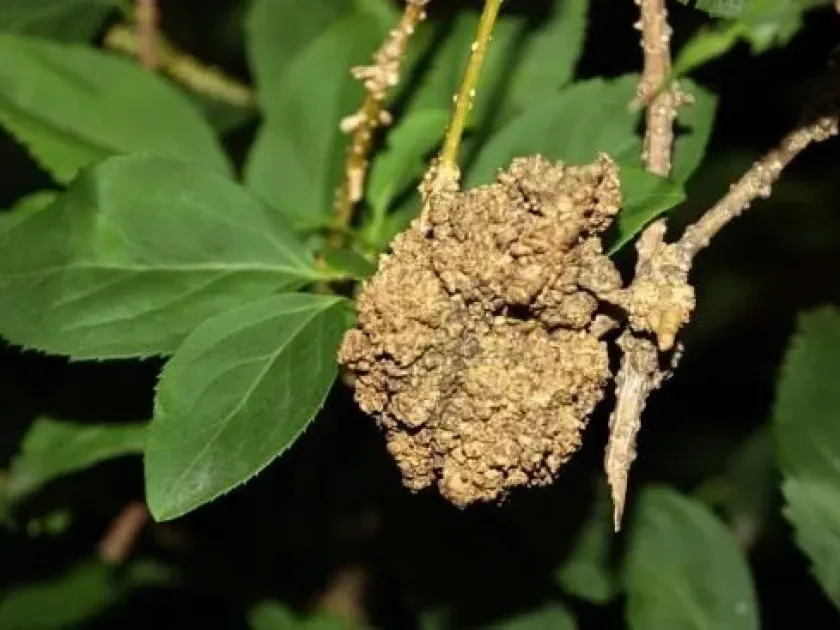
The most characteristic sign is the development of abnormal growths or galls on the roots and the crown. These galls start as light-colored, soft tissue and darken and harden over time.
Plants severely affected by the disease exhibit symptoms such as chlorosis, stunted growth, and reduced vigor. This occurs because the galls disrupt the internal vascular system of the plant.
The root system becomes deformed and inefficient at nutrient uptake. In advanced cases, the galls can girdle the plant stem, severely restricting the flow of water and minerals to the foliage.
On grapevines, galls may appear above ground on the trunk or cordon. They often develop a rough, woody, and cracked appearance that becomes more pronounced during the dormant season.
Visual identification is often delayed because the primary symptoms occur below the soil line. Frequently, the disease is only detected when the plant shows signs of decline or during replanting.
Pathogen
The causative agent of crown gall is the soil-borne bacterium Agrobacterium tumefaciens, a member of the Rhizobiaceae family. This pathogen is unique for its ability to transfer its own DNA into the plant genome.
The bacterium enters the plant through wounds in the root system or crown area. Once inside, it integrates its T-DNA into the host plant cells, causing them to undergo rapid and uncontrolled cell division.
This pathogen can persist in the soil for several years without a host, making it a difficult disease to eradicate completely once it has become established in an orchard or field.
It has an extremely broad host range, infecting over 600 species of plants, including stone fruits, pome fruits, grapevines, and various woody ornamental shrubs and plants.
Dissemination occurs via infected nursery stock, contaminated pruning tools, and surface water runoff. These vectors allow the bacteria to travel long distances between fields and gardens.
Conditions for development
The disease thrives in warm, moist soil conditions. The bacteria are most active during the growing season when temperatures are between 20°C and 30°C, promoting rapid colonization.
Alkaline to neutral soils favor the development of crown gall. While the bacteria can survive in various pH levels, they tend to be more problematic in non-acidic growing environments.
Physical wounding is a prerequisite for infection. Any damage to the roots, whether from natural growth, insects like nematodes, or mechanical cultivation, provides an entry point for the pathogen.
Continuous cropping of susceptible species allows the bacterial population to increase significantly in the soil. This buildup creates high pressure for any future plantings in the same location.
Inadequate sanitation in nurseries often exacerbates the spread. If contaminated water or equipment is used in the propagation process, the infection can quickly reach a large number of plants.
Why it matters
Crown gall causes significant physiological stress to host plants. By diverting plant resources to produce these tumor-like growths, the plant becomes unable to sustain normal fruit production.
Young trees are particularly vulnerable and may die soon after infection if the root system is heavily damaged. This leads to substantial financial losses in fruit and nut orchards.
The disease effectively reduces the lifespan of the plant. Even if the tree survives, it becomes more susceptible to environmental stresses such as drought, frost, and secondary pest attacks.
In commercial nursery operations, crown gall is a major regulatory concern. Infected batches of plants must be destroyed to prevent the wider spread of the bacteria into agricultural areas.
The persistent nature of the pathogen means that affected land may become unsuitable for sensitive crops for many years, limiting the agricultural utility of the soil.
Protection
The first line of defense is the rigorous inspection of nursery stock. Any plant showing signs of galls or abnormal root development must be rejected and destroyed before planting.
Sanitation practices are critical; tools used for pruning should be disinfected between plants. Solutions such as sodium hypochlorite or alcohol are effective at neutralizing the bacteria on equipment.
Managing soil pests, especially nematodes, is essential to minimize wounds that invite infection. Maintaining healthy soil structure helps reduce the susceptibility of plants to bacterial entry.
Biological control methods are available, utilizing beneficial bacteria like Agrobacterium radiobacter, which compete with the pathogen and prevent it from establishing on plant tissues.
When crown gall is found on established plants, surgical removal of the galls can be performed, though it is rarely a permanent fix. Always follow up with copper-based protective treatments on the wounds.
Discussion
No discussions yet — be the first.