
Bacterial blotch of mushrooms
Pseudomonas tolaasii
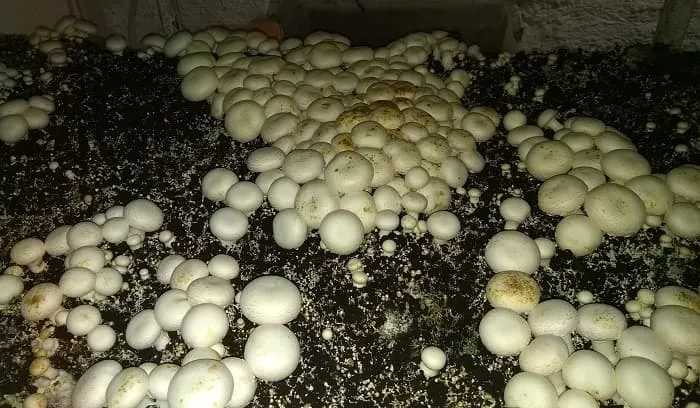
Description
Symptoms
The primary symptom of bacterial blotch is the appearance of irregularly shaped spots on the caps of the mushrooms, ranging from yellow to dark brown.
These spots often develop a slimy texture, and in advanced stages, they may cause the mushroom tissue to soften and deteriorate significantly.
Infected mushrooms may show signs of stunted growth or deformation, rendering them unsuitable for sale as high-quality fresh produce.
As the infection progresses, the spots tend to merge, covering larger areas of the mushroom cap and emitting a distinct, unpleasant putrid odor.
Sometimes the symptoms become visible only post-harvest during storage or transport, making it a critical issue for market-ready products.
Pathogen
The disease is caused by Pseudomonas tolaasii, a motile, gram-negative bacterium that is commonly present in soil and peat-based casing layers.
The bacterium produces a lipodepsipeptide toxin called tolaasin, which creates pores in the cell membranes of the mushroom, leading to cell death and browning.
The pathogen thrives in the environment and can persist on surfaces, equipment, tools, and the clothing of farm personnel for extended periods.
Dissemination within the growing rooms primarily occurs through contaminated water droplets, physical contact, or movement of mites and sciarid flies.
Understanding the biology of this bacterium is essential, as it acts as an opportunistic pathogen whenever environmental conditions become favorable.
Conditions for development
The presence of free water on the mushroom surface is the single most important factor for the development of bacterial blotch infections.
High relative humidity, typically exceeding 90%, prevents the caps from drying out after watering, which provides the bacteria with a perfect growth niche.
Temperatures between 18°C and 25°C are optimal for the rapid multiplication of Pseudomonas tolaasii and the onset of visible symptoms.
Poor ventilation or inadequate air circulation in growing rooms leads to moisture stagnation, significantly increasing the risk of a disease outbreak.
Contaminated water sources used for irrigation are often responsible for introducing the bacterium into the mushroom growing environment.
Why it matters
The economic impact of bacterial blotch is severe due to the loss of product value, as affected mushrooms cannot be sold to retailers.
Massive outbreaks can occur rapidly, leading to significant yield losses and high rejection rates during the sorting and packing process.
Even mild infections accelerate the post-harvest decay of mushrooms, drastically reducing the shelf life and profitability of the crop.
Managing the disease requires frequent sanitation and intensive cleaning protocols, which increase the overall operational costs of the mushroom farm.
The potential for persistent contamination means that an outbreak can affect multiple successive harvests if not controlled effectively.
Protection
The most effective strategy is the rapid drying of mushroom caps after irrigation through precise control of airflow and ventilation systems.
Good hygiene practices are paramount, including the regular disinfection of all tools, containers, and walkways using approved bactericidal agents.
Implementing strict access control for personnel and ensuring they follow sanitary procedures helps to prevent the spread of the pathogen between rooms.
Testing irrigation water quality and using chlorinated water or other filtration methods can reduce the risk of bringing the bacteria into the crop.
- Maintain optimal air circulation.
- Avoid excessive or late-stage watering.
- Ensure clean casing material.
- Monitor and control pest populations.
Discussion
No discussions yet — be the first.