
Pantoea bacterial rot of orchids
Pantoea cypripedii
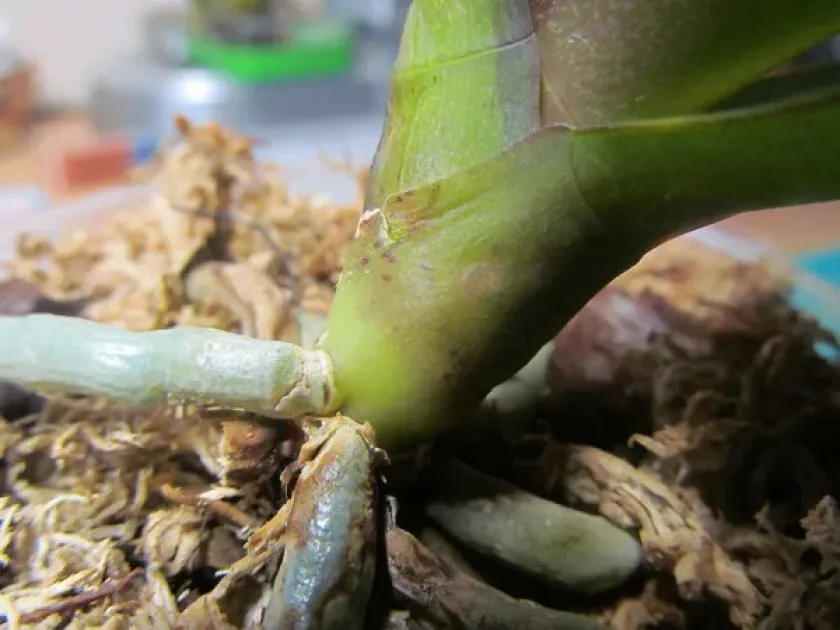
Description
Symptoms
Symptoms typically manifest as rapidly expanding brown or dark purple spots on the leaves, which are often accompanied by a soft, watery texture.
In humid conditions, the lesions may release a foul-smelling bacterial ooze, which serves as a source for further spread of the pathogen.
As the infection progresses, the spots may become sunken, and a distinct yellow chlorotic halo often surrounds the necrotic tissue.
The disease can quickly spread to the pseudobulbs and the crown (growth point), which is fatal for the orchid if left untreated.
Diagnostic observation of the lesions usually shows that they remain soft rather than developing the dry, papery texture characteristic of fungal infections.
Pathogen
The causal agent of this disease is the bacterium Pantoea cypripedii (formerly classified as Erwinia cypripedii), a member of the Erwiniaceae family.
It is a Gram-negative, facultative anaerobic bacterium known for its pathogenicity towards various orchid species.
The bacteria utilize extracellular enzymes to degrade plant cell walls, leading to the collapse of tissue structure and the development of localized necrosis.
The pathogen is highly specialized and thrives in environments where host defense mechanisms are weakened by suboptimal care.
Infection often occurs through natural plant openings or mechanical wounds, which allows the bacteria to colonize the internal tissues efficiently.
Conditions for development
Development of the disease is highly favored by temperatures exceeding 25-28 degrees Celsius combined with high relative humidity.
Poor airflow within the growing area prevents the drying of foliage, allowing bacterial populations to multiply rapidly on leaf surfaces.
Overhead irrigation, especially during evening hours, provides the necessary water film for bacterial motility and colonization.
Mechanical injury during routine maintenance or repotting, if combined with unsanitary tools, acts as the primary vector for transmission.
High plant density and inadequate drainage increase the risk of the pathogen spreading from infected containers to healthy neighbors.
Why it matters
This bacterial pathogen is considered highly dangerous due to its potential to cause total plant collapse in a short timeframe.
The rapid spread of the bacteria makes it a significant threat to greenhouse collections, necessitating strict quarantine procedures.
Irreversible damage to the growth point often renders the plant incapable of future vegetative or reproductive development.
The economic impact on orchid nurseries can be substantial due to the loss of valuable mother plants and high-quality cultivars.
Secondary infections often exacerbate the damage, making it difficult to rehabilitate plants that have suffered from severe bacterial rot.
Protection
Immediate excision of all infected tissues beyond the margin of the lesion is essential to remove the bacterial load from the plant.
Disinfecting all tools with alcohol or a strong bleach solution after every cut is mandatory to prevent cross-contamination.
Reducing ambient humidity and improving ventilation are key cultural practices to stop the proliferation of Pantoea cypripedii.
Application of copper-based bactericides or specialized agricultural antibiotics may be necessary to manage outbreaks in severe cases.
- Isolate affected orchids immediately.
- Ensure proper air circulation.
- Avoid overhead watering of foliage.
- Sterilize all pruning equipment.
Discussion
No discussions yet — be the first.