
Musicola
Musicola
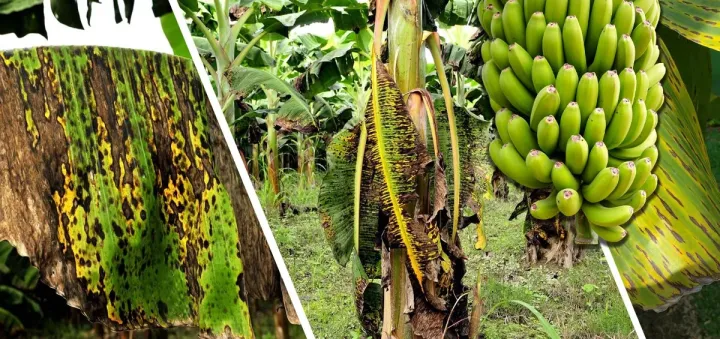
Description
Symptoms
Initial signs of the infection typically appear as small, chlorotic spots on leaves that expand into larger necrotic lesions over time.
A distinctive feature is the presence of dark-colored borders around the affected areas, often accompanied by a central zone of tissue death.
Affected leaves may curl, wither, or drop prematurely, significantly reducing the photosynthetic capacity of the entire plant.
In humid conditions, a fine, powdery fungal growth might be observed on the underside of the leaves, indicating active spore production.
Stunted development and reduced vigor are clear indicators that the pathogen has established itself within the plant's vascular system.
Pathogen
Musicola is a genus of pathogenic fungi known to cause specific necrotic diseases in various agricultural and horticultural crops.
The pathogen functions by infiltrating plant tissues, where it establishes a mycelial network that systematically extracts nutrients.
This organism is highly specialized, having evolved to target particular botanical hosts within specific environmental niches.
Biologically, the fungi reproduce primarily through spores, which are disseminated by wind, water splashes, and mechanical tools.
The fungus is classified as a persistent pathogen capable of surviving in the soil and on plant debris, surviving until conditions become favorable.
Conditions for development
The progression of the disease is heavily dependent on high humidity levels and consistent moisture on the leaf surfaces.
Favorable temperatures for the development of Musicola generally range between 20°C and 28°C, providing ideal conditions for metabolic activity.
Poor aeration in greenhouses or overly dense plantation layouts dramatically increases the risk of rapid epidemic outbreaks.
Stressed plants, whether due to nutrient deficiency or improper watering, are significantly more susceptible to the initial stages of infection.
Seasonal weather patterns involving frequent rains followed by warm spells create the perfect environment for the pathogen to thrive.
Why it matters
The primary harm caused by Musicola is the severe reduction in crop quality, often rendering the yield unsellable and unusable.
Long-term infestation weakens the plant structure, making it highly vulnerable to secondary pests and other opportunistic infections.
Economic losses are significant due to the need for frequent chemical interventions and the potential total loss of the entire harvest.
Reduced vigor negatively impacts the long-term survival of perennial species, eventually leading to the decline of the entire plant.
Rapid spread of the disease can cause a total failure of crops in a very short period if monitoring and protection measures are neglected.
Protection
Effective management begins with rigorous sanitation practices, ensuring all infected plant material is removed and destroyed away from the site.
Strategic use of preventative fungicides is essential, particularly during periods of high humidity and susceptible growth stages.
Cultural practices such as proper spacing and improved drainage help create an environment that is hostile to fungal growth.
Selecting disease-resistant varieties and maintaining optimal soil health are critical long-term solutions for preventing infection.
Regular monitoring of plant health allows for early detection and isolation of infected areas, preventing the disease from spreading across the farm.
Discussion
No discussions yet — be the first.