
Microcystis incerta
Microcystis incerta
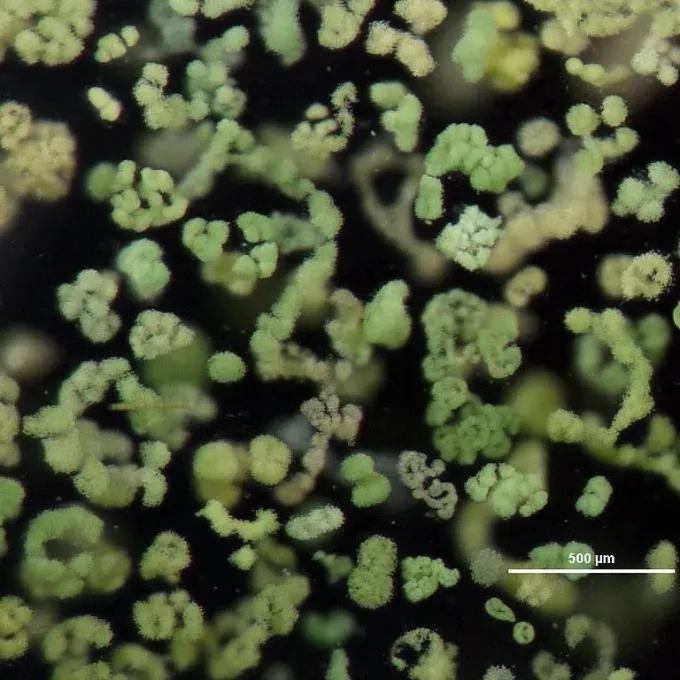
Description
Pathogen
Microcystis incerta is a species of unicellular freshwater cyanobacteria belonging to the genus Microcystis, known for forming massive water blooms.
In agricultural settings, it acts as a water quality hazard rather than a direct plant pathogen, complicating irrigation and water management practices.
The organism consists of microscopic cells that aggregate into mucilaginous colonies, making them difficult to filter out of irrigation systems.
The primary concern regarding this species is its ability to produce hepatotoxins called microcystins, which pose significant health risks to livestock and potentially crops.
These cyanobacteria are highly adaptable, capable of surviving varying nutrient concentrations while maintaining high competitive growth rates.
Conditions for development
Eutrophication, driven by agricultural runoff rich in nitrogen and phosphorus, serves as the primary catalyst for the proliferation of this species.
Optimal growth occurs during warm summer months when water temperatures range between +20°C and +30°C.
Stable, stagnant water bodies provide the ideal environment for the organisms to aggregate at the surface and maximize solar energy absorption.
Extended periods of intense sunlight accelerate the metabolic activities of the colonies, leading to rapid expansion of bloom patches.
High pH levels in the water column further support the dominance of Microcystis incerta over other phytoplankton communities.
Why it matters
Large-scale blooms of this species clog irrigation filters, pumps, and drip nozzles, leading to increased maintenance costs and system failures.
The accumulation of cyanotoxins in irrigation water can degrade the overall quality of crops, especially those consumed fresh.
Decomposition of massive algal biomass depletes dissolved oxygen in water reservoirs, causing significant harm to aquatic biodiversity.
Water contaminated with these cyanobacteria is unsafe for livestock, as ingestion can lead to acute or chronic toxicosis.
Toxic metabolites can potentially affect soil health and the beneficial microbial balance in the rhizosphere of cultivated plants.
Protection
The most effective strategy for mitigation is the management of nutrient runoff from agricultural fields into water bodies.
Regular maintenance and cleaning of irrigation reservoirs and filtration systems help prevent the build-up of algal biomass.
Aeration of water in storage tanks can disrupt the formation of surface colonies and inhibit the growth of Microcystis incerta.
Monitoring programs focusing on water quality allow for the early detection and management of potential bloom events before they become critical.
- Buffer zone implementation along water edges.
- Optimized fertilization scheduling.
- Use of specific algicides in critical water infrastructures.
Discussion
No discussions yet — be the first.