
Microcystis water bloom
Microcystis flos-aquae
Description
Pathogen
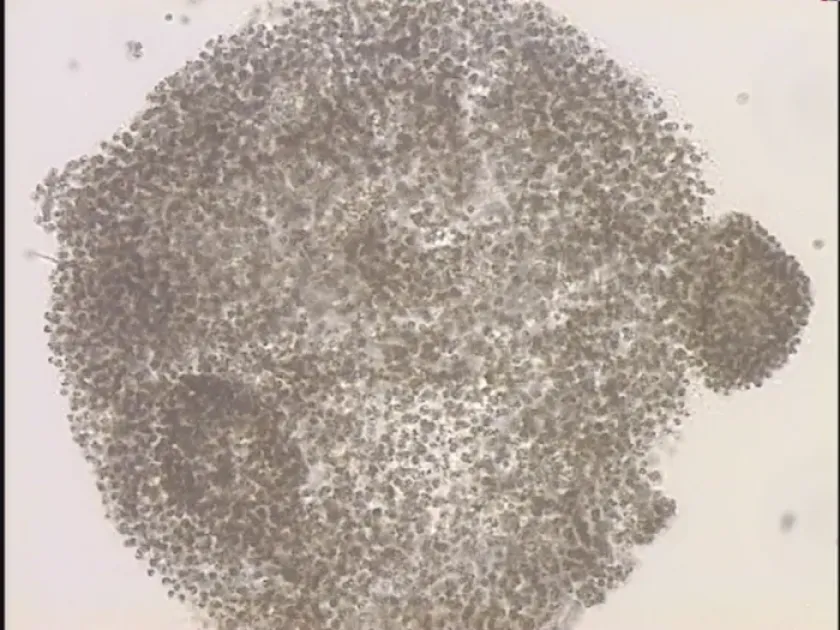
The causative agent is Microcystis flos-aquae, a species of freshwater cyanobacteria (blue-green algae) known for causing massive water blooms.
This organism forms dense colonial structures in water bodies, which are frequently used as a primary source for agricultural irrigation systems.
The core threat lies in the production of microcystins, a group of powerful hepatotoxins that pose significant risks to both plants and livestock.
These toxins can persist in the environment and accumulate in soil and plant tissues, compromising the safety and quality of agricultural produce.
The biological nature of this pathogen allows it to survive in various water conditions, making it a persistent challenge for farm water management.
Conditions for development
Development is primarily driven by eutrophication caused by high levels of nitrogen and phosphorus runoff from agricultural fields.
Optimal growth conditions are high solar intensity and water temperatures ranging between 20 and 30 degrees Celsius during the peak growing season.
Low water movement in reservoirs and irrigation canals allows these cyanobacteria to aggregate into dense, toxic surface layers.
Excessive fertilizer application without proper buffer zones ensures a constant supply of nutrients that fuel the massive proliferation of the colonies.
Lack of proper water circulation and filtration infrastructure exacerbates the accumulation of these microorganisms within the irrigation network.
Why it matters
Crop growth may be severely stunted due to the phytotoxic effect of the metabolic by-products produced by the algae during irrigation.
Contamination of the irrigation water leads to the accumulation of toxins in fruits and vegetables, potentially making the harvest unsafe for human consumption.
Mechanical failure of irrigation equipment, specifically clogged filters and emitters, creates significant operational losses and maintenance costs.
The decay of massive algal blooms depletes oxygen levels in irrigation ponds, resulting in poor water quality that harms soil health.
Health risks to farm workers due to direct exposure to toxin-laden water represent a critical concern during field operations and equipment maintenance.
Protection
Implementing riparian buffer zones around irrigation ponds is essential to intercept nutrient runoff and prevent the eutrophication process.
Regular monitoring of water quality for the presence of microcystins allows farmers to make informed decisions regarding the timing of irrigation.
Biological controls, such as introducing specific fish species that feed on algae, can help maintain lower population levels of the cyanobacteria.
Maintaining high water flow rates in irrigation canals prevents the stagnation needed for mass colony development and bloom formation.
Mechanical filtration systems designed to remove biological solids must be cleaned and serviced frequently to prevent the spread of contamination.
Discussion
No discussions yet — be the first.