
Microcystis aeruginosa
Microcystis aeruginosa
Description
Symptoms
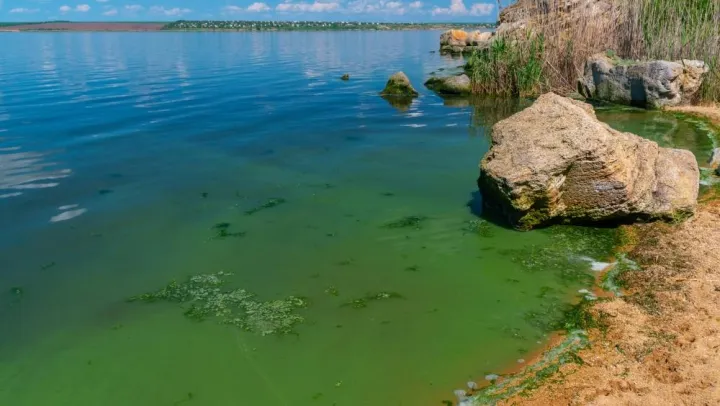
The primary symptom is a distinct, intense pea-green or blue-green discolouration of the water surface, often described as paint-like.
A foul, musty, or grassy odour is typically released during the decay of these blooms, indicating high concentrations of algal biomass.
Upon close inspection, water appears murky with visible green, gel-like clumps or particulate matter drifting in the top layers.
Significant changes in pH levels are often observed, as the intense photosynthetic activity of the algae alters the chemical balance of the water.
Drying residues of the bloom may form a crusty, greenish film along the edges of reservoirs or irrigation canals.
Pathogen
Microcystis aeruginosa is a species of freshwater cyanobacteria (blue-green algae) primarily known for causing harmful algal blooms (HABs).
In agronomy, it is recognized as a biological contaminant that significantly degrades water quality, posing threats to crop health and livestock.
These organisms exist as colonies embedded in a mucilaginous matrix, which often float on the water surface during peak growth periods.
Microcystis is highly adaptive due to its nitrogen-fixing capabilities and buoyancy regulation, which allows it to dominate nutrient-rich waters.
The core danger lies in its ability to synthesize potent hepatotoxins called microcystins, which can persist in water long after the bloom dies.
Conditions for development
The development of Microcystis aeruginosa is heavily driven by eutrophication, which involves high levels of phosphorus and nitrogen in water.
Warm water temperatures, typically ranging from 20°C to 30°C, are optimal for the rapid replication of these cyanobacterial cells.
Stagnant or slow-moving water in irrigation ditches and storage ponds provides the stability necessary for colony formation.
Abundant sunlight is a critical requirement for the vigorous photosynthesis that sustains massive algal populations.
Low turbulence allows Microcystis to stay near the surface to maximize light absorption, further accelerating the bloom cycle.
Why it matters
Irrigation with contaminated water can expose crops to microcystins, which may cause physiological stress and inhibit plant growth.
There is a risk of toxin bioaccumulation within agricultural produce, raising concerns regarding consumer health and product safety standards.
Livestock consuming water infested with Microcystis face severe health risks, including potential liver damage and reduced livestock yields.
The mucilage produced by the bacteria causes significant maintenance issues, clogging filtration systems and damaging irrigation equipment like sprinklers.
The bloom can lead to localized depletion of dissolved oxygen, which harms beneficial microbial life and creates an ecological imbalance.
Protection
The most effective long-term preventative measure is to minimize nutrient runoff from fields by implementing sustainable fertilization practices.
Installing mechanical aerators in irrigation ponds helps disrupt colony formation and prevents the stagnation of water surfaces.
Biological control, such as introducing fish species that graze on phytoplankton, can help mitigate bloom intensity in managed reservoirs.
Chemical treatments using algaecides should be applied with extreme caution to prevent the sudden mass release of toxins during cell lysis.
Filtration systems utilizing activated carbon or advanced oxidation processes are recommended for purifying water intended for high-value agricultural use.
Discussion
No discussions yet — be the first.