
Microcystis
Microcystis
Description
Symptoms
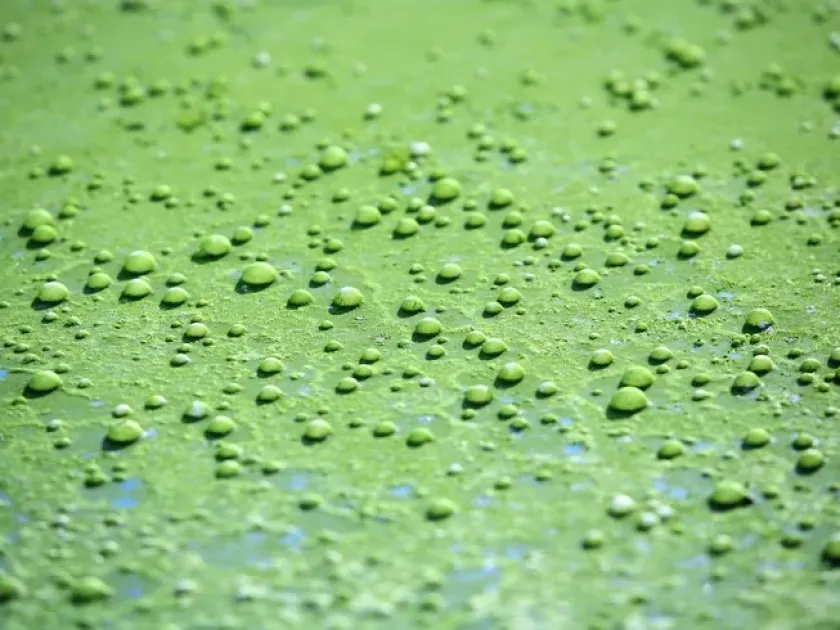
The primary symptom of a Microcystis infestation is the distinct appearance of dense, bright green "paint-like" scums on the water surface.
Water bodies often exhibit a murky, emerald green coloration, which indicates high concentrations of these cyanobacterial colonies.
A foul, earthy, or musty odor often accompanies the bloom, resulting from the decomposition of dead organic matter.
During irrigation, the slime produced by these colonies causes immediate clogging of drip irrigation emitters and pumping filters.
Plants irrigated with contaminated water may show reduced leaf vitality and salt-like crusting on surfaces due to bacterial secretions.
Pathogen
Microcystis is a genus of freshwater cyanobacteria that acts as a serious biological hazard in agricultural water management.
These organisms exist as microscopic cells that aggregate into large, visible colonies enveloped in mucilage, often found floating in stagnant water.
While not a plant pathogen in the traditional sense, Microcystis is classified as a water quality degrader that severely impacts irrigation efficiency.
Their ability to regulate buoyancy using gas vesicles allows them to position themselves optimally for photosynthesis and survival.
The biology of this genus is defined by rapid biomass production in nutrient-rich aquatic environments, commonly known as algal blooms.
Conditions for development
Excessive phosphorus and nitrogen runoff from fertilized fields are the main drivers for Microcystis bloom development.
Warm water temperatures, typically ranging from 20 to 30 degrees Celsius, significantly accelerate the growth rate of the bacteria.
Stagnant, slow-moving, or poorly circulated water provides the stability required for the formation of massive algal colonies.
High sunlight intensity is crucial for the photosynthetic activity that drives the rapid expansion of these cyanobacterial populations.
A lack of natural competitors, such as zooplankton, often leads to the unchecked proliferation of Microcystis in farm ponds and reservoirs.
Why it matters
The main danger stems from the production of microcystins, potent hepatotoxins that can accumulate in plant tissues and disrupt plant metabolism.
Irrigation with heavily infested water leads to stunted root growth, chlorosis, and general yield depression in vegetable crops.
The mucilaginous biomass causes mechanical failures in irrigation infrastructure, leading to increased maintenance costs and downtime.
Toxins present in the water pose a potential human health risk if the water is used for overhead irrigation of produce consumed raw.
The rapid depletion of dissolved oxygen caused by large-scale die-offs can ruin the overall ecological quality of irrigation water.
Protection
Proactive management of field drainage and runoff prevention is the most effective way to limit nutrient loading in water sources.
Installing surface aerators or water circulation systems helps break up colonies and reduces the likelihood of surface scum formation.
Applying selective, crop-safe algicides can reduce existing populations of Microcystis without harming the irrigation system or the plants.
Biological control methods, such as the introduction of specific fish species, can help manage algae density in large irrigation ponds.
- Routine monitoring of water nutrient levels.
- Maintenance and cleaning of irrigation filtration units.
- Implementation of vegetative buffer strips to filter field runoff.
Discussion
No discussions yet — be the first.