
Microcoleus
Microcoleus
Description
Symptoms
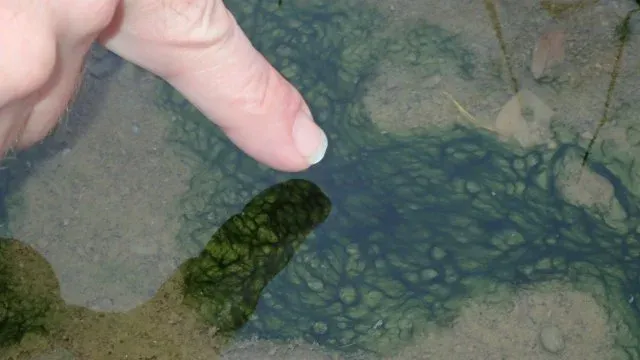
The primary symptom of a Microcoleus infestation is the appearance of a dark green, brown, or blackish film on the surface of the soil.
Upon drying, this film forms a hard, brittle, and often cracked crust that seals the soil surface, hindering gas exchange and water infiltration.
In moist conditions, the soil surface feels slippery or slimy to the touch, a direct result of the high quantity of polysaccharides secreted by the bacteria.
Agricultural crops often show uneven emergence, as the emerging shoots struggle to penetrate the hardened surface crust formed by the bacterial mat.
In greenhouses, this phenomenon is visible on the surface of pots or substrates, often accompanied by localized pooling of irrigation water.
Pathogen
Microcoleus is a genus of filamentous cyanobacteria frequently found in soil environments, where it plays a critical role in the formation of biological soil crusts.
These organisms consist of trichomes bundled together within a common mucilaginous sheath, which provides protection and enables movement through the soil pores.
While cyanobacteria are often considered beneficial in natural ecosystems, in agricultural settings, their massive proliferation can lead to soil surface sealing.
The organism is highly resilient, capable of surviving intense dehydration and quickly regaining metabolic activity once favorable moisture levels return.
Microcoleus acts more as a physical disruptor of the soil surface environment rather than a traditional infectious agent that invades plant tissues.
Conditions for development
Growth is strongly promoted by high soil surface moisture combined with adequate exposure to sunlight, which is necessary for the organism's photosynthesis.
Overhead irrigation systems that keep the top layer of soil constantly wet provide an ideal environment for the establishment of cyanobacterial colonies.
Compacted soils or areas with poor drainage are particularly susceptible to colonization, as stagnant water supports persistent bacterial growth.
A lack of beneficial soil competition, often resulting from heavy chemical use, allows Microcoleus to dominate the microbial population on the soil surface.
Temperatures between 15°C and 30°C are optimal for the rapid expansion of these filamentous mats across the soil profile.
Why it matters
The crust created by the bacteria forms a significant mechanical barrier, leading to poor seed germination rates and reduced seedling vigor.
Surface sealing drastically reduces water infiltration into the root zone, causing water runoff and erosion rather than proper soil hydration.
The bacterial mat interferes with essential soil-atmosphere gas exchange, leading to hypoxic conditions for the plant roots beneath the crust.
Microcoleus competes with beneficial soil microorganisms, disrupting the natural nitrogen cycle and reducing the overall biological fertility of the soil.
The slick surface can also harbor other pests and opportunistic pathogens, creating a micro-environment that complicates overall crop management.
Protection
Improving irrigation management is the most effective prevention strategy, focusing on subsurface or drip irrigation to keep the soil surface dry.
Mechanical cultivation or light hoeing of the soil surface is essential to break up the bacterial crusts and restore oxygen exchange.
Increasing organic matter through compost application encourages the growth of competitive soil microbiota that can suppress Microcoleus populations.
In intensive cultivation, ensuring adequate drainage and proper ventilation helps maintain soil conditions that are less conducive to cyanobacterial growth.
- Use organic mulch to suppress light-dependent growth.
- Implement balanced nutrient management to avoid surface mineral build-up.
- Utilize soil aeration techniques to mitigate crust formation.
Discussion
No discussions yet — be the first.