
Microbacteriosis
Microbacterium
Description
Symptoms
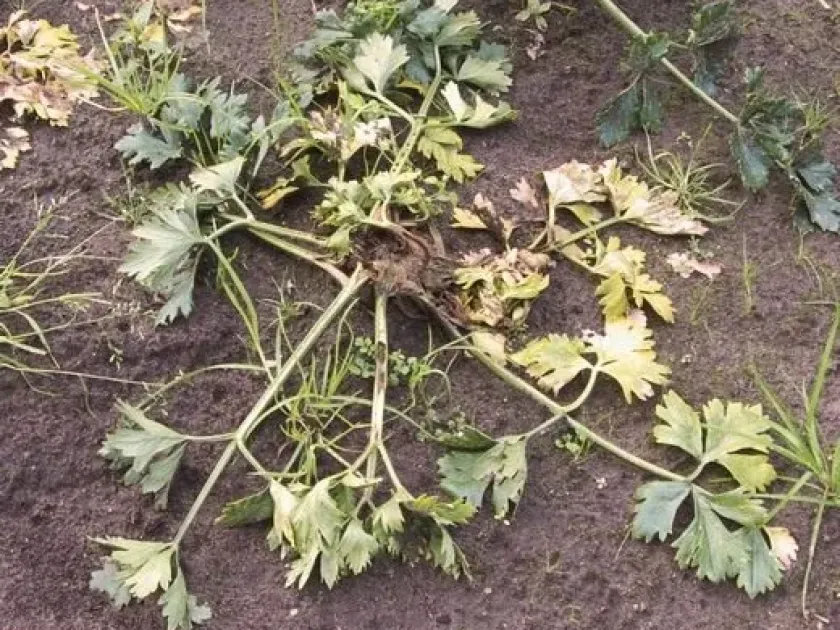
The first clinical signs of microbacteriosis often include the appearance of chlorotic or necrotic spots on the leaves, which expand over time.
Wilting of foliage, particularly during the warmest hours of the day, is a classic symptom indicating compromised vascular integrity.
Root systems of infected plants often show signs of rot, characterized by browning and decay of the tissues compared to healthy roots.
Internal tissue browning is frequently visible on cross-sections of the stem, representing the blockage of vascular bundles by bacterial colonies.
In humid conditions, bacterial oozing or the formation of a slimy film on the affected plant surfaces may be observed during late disease stages.
Pathogen
The causative agent of this disease is a group of phytopathogenic bacteria from the Microbacterium genus, which are Gram-positive actinobacteria.
These microorganisms are characterized by high survival rates, as they can persist for long periods in soil, plant debris, and within seeds.
The bacteria possess a flexible metabolic profile, allowing them to shift from a saprophytic lifestyle to an aggressive parasitic stage under favorable conditions.
Infection typically occurs when bacteria enter plant tissues through natural pores, such as stomata, or through wounds caused by mechanical damage.
Once inside the host, the bacteria colonize the xylem, where they multiply rapidly and impede the translocation of water and essential minerals.
Conditions for development
Microbacteriosis outbreaks are strongly associated with high ambient temperatures, typically above 25°C, coupled with high soil or air moisture.
Poor agricultural practices, such as excessive overhead irrigation and dense planting, create a microclimate ideal for bacterial proliferation.
The presence of uncomposted plant debris provides a continuous source of inoculum that can infect subsequent crop cycles.
Any agricultural operation that causes tissue damage, such as pruning or deep cultivation, creates entry points for the bacteria.
Insects and nematodes that feed on plant tissues often act as transmission vectors, spreading the pathogen efficiently across the field.
Why it matters
Microbacteriosis leads to significant yield losses due to the premature death of plants and the reduction in the size and quality of fruits.
Infected crops often lose their marketability due to visible rot, internal tissue breakdown, and decreased nutritional value.
The disease impairs the photosynthetic efficiency of the plant, resulting in stunted growth and low productivity for the entire season.
The potential for seed transmission creates a high risk of spreading the pathogen to new geographic regions or previously healthy fields.
Financial losses are compounded by the need for costly decontamination of soil and the implementation of intensive management programs.
Protection
Strict adherence to crop rotation is essential, with a recommended interval of several years between susceptible host crops to reduce soil inoculum.
The use of certified disease-free seeds and performing professional seed treatment are fundamental prophylactic steps for every grower.
Improving soil aeration and drainage helps to reduce the moisture conditions that facilitate bacterial movement and survival.
Selecting and planting resistant cultivars remains the most effective long-term strategy for managing microbacteriosis in commercial production.
Biological control methods, including the application of antagonistic bacterial strains, can effectively suppress the colonization of the pathogen.
Discussion
No discussions yet — be the first.