
Lyngbya
Lyngbya aerugineocaerulea
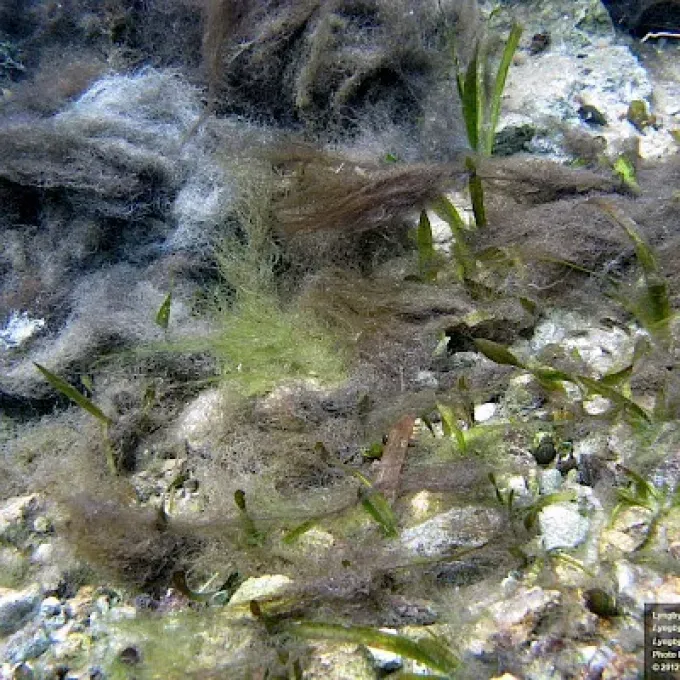
Description
Symptoms
The primary symptom of a Lyngbya infection is the appearance of a blue-green or dark green slimy film on the plant surfaces or the growing substrate. This film is highly distinctive and often spreads quickly under favorable growth conditions.
When the pathogen colonizes the root system, it creates a suffocating layer that prevents proper oxygen uptake. The plant displays signs of severe nutrient deficiency, such as chlorosis, wilting, and stunted development, even when standard fertilizer protocols are applied.
Surface lesions on stems and leaves often show localized tissue necrosis beneath the mucilaginous mats. The affected areas may become brownish and soft, providing an entry point for other opportunistic pathogens like fungi or decay-causing bacteria.
During the early stages of infestation, the pathogen may be visible as a thin, wet, and slightly fuzzy coating. If left untreated, this layer thickens, turns darker, and produces a characteristic musty or swampy odor in the immediate vicinity of the plants.
Seedlings and young plants are particularly susceptible. The presence of the algal layer can deform leaves, reduce photosynthetic activity, and lead to the eventual collapse of the plant due to systemic physiological stress.
Pathogen
Lyngbya aerugineocaerulea is a filamentous cyanobacterium that often acts as a pathogen in agricultural environments. While commonly referred to as a blue-green alga, its biological nature as a bacterium allows it to thrive in diverse and often harsh conditions, impacting various plant species.
The pathogen belongs to the family Oscillatoriaceae. It forms dense, non-branching filaments characterized by a mucilaginous sheath, which helps the organism adhere to surfaces and resist environmental stress. This sheath also plays a key role in the formation of biological films on plant tissues.
Lyngbya lives as an epiphyte or parasite on plants, particularly those grown in wet conditions or hydroponic systems. It effectively colonizes root zones, stems, and lower leaves, creating a persistent slime layer that interferes with the plant's normal metabolic processes.
The organism produces various secondary metabolites, including potential phytotoxins that can inhibit the development of host cells. This makes it a significant biological stressor for sensitive crops, leading to reduced growth rates and compromised plant health.
In modern agricultural settings, particularly in greenhouse operations, this cyanobacterium is recognized for its ability to adapt to artificial light and nutrient-rich solutions, making it a persistent and difficult-to-eradicate pathogen.
Conditions for development
The growth of Lyngbya aerugineocaerulea is primarily driven by high humidity and consistent light availability. These conditions, which are ideal for crop production in greenhouse environments, also serve as the perfect environment for cyanobacterial outbreaks.
Optimal temperatures for the rapid development of this pathogen range between 20°C and 30°C. Within this temperature window, the organism can reach significant biomass in a matter of days if it finds a suitable surface to colonize.
High concentrations of nitrogen and phosphorus in the nutrient solution act as a fertilizer for the cyanobacteria. Improperly managed hydroponic solutions with high nutrient runoff provide an ideal growth medium, accelerating the spread of the pathogen.
Poor circulation and water stagnation are major risk factors. Areas where water accumulates on the substrate surface or near the base of the plant allow the filaments to establish a permanent foothold, facilitating further infection cycles.
Inadequate sanitation in irrigation systems is a frequent cause of outbreaks. Contaminated water sources, if not subjected to filtration or UV sterilization, introduce the pathogen into the system, where it quickly establishes permanent colonies on equipment and plants.
Why it matters
The primary harm caused by this pathogen is the significant reduction in plant productivity and quality. By shading the leaves and blocking stomata, the algal film severely inhibits photosynthesis and gas exchange.
When roots are affected, the plant cannot properly absorb minerals and water, leading to localized starvation and wilting. This physiological imbalance often prevents the plant from reaching its full yield potential or reaching maturity.
The excretion of toxins by the cyanobacteria can damage plant cell membranes, promoting necrosis. This weakened state makes the crop much more vulnerable to secondary infections, increasing the rate of plant mortality throughout the growing season.
Beyond biological damage, Lyngbya causes physical damage to infrastructure. In hydroponic setups, the slime clogs emitters, filters, and pumps, leading to equipment failure and requiring labor-intensive cleaning and system maintenance.
Economic losses are cumulative, arising from reduced crop quality, higher costs for cleaning and disinfection, and the potential need to discard heavily infested plant material or substrate to break the cycle of infection.
Protection
Effective control starts with rigorous hygiene and sanitation. Cleaning and disinfecting all components of the irrigation system, including reservoirs and tubing, is essential to minimize the risk of pathogen buildup.
Preventative measures include limiting light exposure on nutrient solution surfaces. Using opaque covers on reservoirs and hydroponic channels effectively inhibits the photosynthesis required for the pathogen to thrive.
Balanced nutrient management is crucial. By optimizing fertilizer concentrations and ensuring that irrigation water does not contain excess nitrogen or phosphorus, farmers can significantly reduce the pathogen's ability to establish a colony.
Advanced treatment options include UV sterilization of water supplies, which effectively kills cyanobacterial cells. This, combined with mechanical removal of visible algae, helps maintain a cleaner production environment.
- Regular monitoring of plant health and substrate condition.
- Improving greenhouse ventilation to reduce surface moisture.
- Prompt removal of plant debris and organic waste.
- Application of approved algicides strictly according to labels.
Discussion
No discussions yet — be the first.