
Haemobartonellosis in dogs
Haemobartonella canis
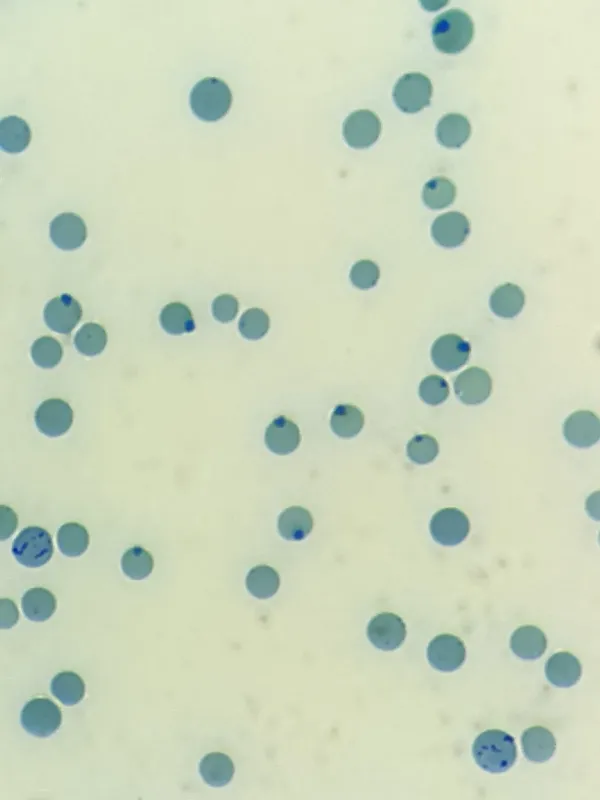
Description
Symptoms
The most prominent clinical sign of canine haemobartonellosis is anemia. This is typically manifested as pale or yellowish (jaundiced) mucous membranes in the mouth and eyes.
Affected dogs usually exhibit profound lethargy and intolerance to exercise. Because of the decreased oxygen-carrying capacity of the blood, the animal may display rapid breathing or panting.
Loss of appetite (anorexia) and subsequent weight loss are common observations. In acute cases, the dog may experience fever, which significantly impacts the animal's overall demeanor.
Physical examination might reveal splenomegaly, as the spleen becomes enlarged while attempting to remove damaged red blood cells from the systemic circulation.
Diagnosis is confirmed through blood smear examination or, more reliably, through molecular testing like PCR to detect the specific DNA of the Mycoplasma haemocanis bacteria.
Pathogen
The causative agent of this disease is the bacterium Mycoplasma haemocanis, formerly known as Haemobartonella canis. This pathogen is a hemotropic bacterium that adheres to the outer surface of red blood cells.
Being a member of the Mycoplasma group, this organism lacks a traditional cell wall, which makes it specifically susceptible to particular classes of antibiotics such as tetracyclines.
The primary transmission route is through arthropod vectors, specifically ticks. When a tick feeds on an infected animal, it can acquire the bacteria and subsequently transmit it to a healthy dog.
Blood transfusion is another potential route for the spread of the pathogen. Strict testing protocols for blood donors are essential to prevent iatrogenic transmission in veterinary clinical practice.
The pathogen often exists in a carrier state, where the animal appears healthy until immune suppression or external stress factors trigger the clinical manifestation of the disease.
Conditions for development
Disease progression is highly dependent on the host's immune status. Animals with compromised immune systems due to other diseases are significantly more susceptible to severe infection.
Environmental factors play a crucial role, with the highest risk of transmission occurring during warm seasons when tick populations are most active and abundant.
Poor husbandry conditions, such as high-density housing or lack of parasite control, facilitate the spread of the disease within groups of dogs living in close proximity.
Chronic malnutrition or underlying concurrent infections, such as Babesiosis, can exacerbate the impact of the disease, making the clinical symptoms much more acute and harder to manage.
Stressful environments, whether physical (transport, extreme temperatures) or psychological, act as catalysts for transforming a latent infection into an active clinical stage.
Why it matters
The primary damage caused by this disease is the massive destruction of red blood cells (hemolysis). This leads to severe anemia, which if untreated, can result in systemic collapse.
The destruction of blood cells places an immense metabolic burden on the liver and kidneys, as these organs struggle to filter the debris from the lysed red blood cells.
Persistent anemia places significant strain on the cardiovascular system. Over time, this can lead to myocardial damage and the development of congestive heart failure in chronic cases.
If left untreated, the progressive weakness and organ exhaustion make the prognosis poor. The long-term recovery process often involves intensive care and supportive medical therapy.
The impact on dog owners includes substantial veterinary costs, emotional distress, and the need for long-term monitoring of the animal's blood parameters during recovery.
Protection
The most effective strategy is rigorous tick prevention. Utilizing modern acaricidal products, such as spot-on treatments, collars, or chewable tablets, is vital for protecting dogs.
Therapeutic control involves the administration of specific antibiotics known to be effective against hemotropic mycoplasmas, typically for a duration of several weeks.
Supportive care is critical, including fluid therapy to stabilize the animal and nutritional support to aid in the restoration of healthy blood parameters.
Veterinarians must ensure that blood donors are screened not only for blood type but also for the presence of hemotropic pathogens to ensure the safety of blood products.
Routine veterinary check-ups and periodic blood panels are recommended for dogs living in endemic tick areas to detect the presence of the pathogen before severe anemia develops.
Discussion
No discussions yet — be the first.