
Gomphosphaeria aponina
Gomphosphaeria aponina
Description
Pathogen
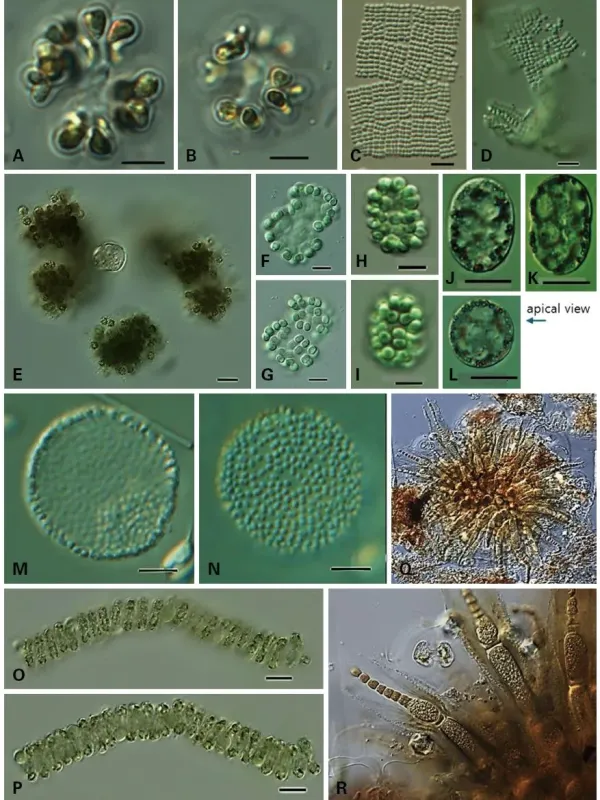
Gomphosphaeria aponina is a species of colonial cyanobacteria frequently found in stagnant or slow-moving water bodies. It forms spherical to irregular colonies held together by a mucilaginous sheath, which is its primary morphological characteristic.
These organisms are autotrophic, relying on photosynthesis for energy. They are well-adapted to surviving in diverse aquatic environments, making them a common sight in water reservoirs used for agricultural irrigation.
The biology of Gomphosphaeria aponina involves rapid asexual reproduction, particularly when nutrient levels in the water are high. This allows the population to expand exponentially under optimal conditions.
While not a direct plant pathogen, its presence is a biological indicator of eutrophication. It can secrete bioactive compounds that may affect the overall aquatic microflora.
Understanding the physiological traits of this species helps farm managers assess the safety of their irrigation water sources during the peak growing season.
Conditions for development
High temperatures are the primary driver for Gomphosphaeria aponina blooms. The species thrives in waters ranging from 20°C to 30°C, typical of summer months in many agricultural regions.
Excessive nutrients, especially phosphorus and nitrogen originating from field runoff, serve as the primary fuel for mass population growth and water blooms.
Stable, calm water conditions are essential for the formation of large colonial masses. In turbulent water, the cells are often dispersed, preventing the accumulation needed for a bloom.
High solar irradiance accelerates the photosynthetic activity of the colonies. Water bodies with high surface-to-volume ratios are significantly more susceptible to these blooms.
Diminished populations of herbivorous zooplankton, often due to pesticides or habitat degradation, allow these cyanobacteria to dominate the aquatic food web unchecked.
Why it matters
The most immediate harm from Gomphosphaeria aponina in agriculture is the clogging of micro-irrigation systems. The gelatinous sheaths can obstruct filters, drip tapes, and nozzles.
Severe blooms can lead to dissolved oxygen depletion, which poses a lethal risk to fish stocks in integrated aquaculture-agriculture systems.
The toxins released by these cyanobacteria may cause phytotoxicity in sensitive crops when used in high-frequency fertigation systems, potentially inhibiting root growth.
Persistent presence of this organism alters the chemical composition of the water, potentially shifting the pH levels, which may lead to nutrient lockout in soil fertilization programs.
Large-scale blooms increase the costs of water purification and maintenance for irrigation, forcing farmers to implement more intensive filtering and cleaning protocols.
Protection
Preventive management focuses on nutrient containment. Implementing riparian buffers and sediment traps prevents excess fertilizers from entering irrigation water reservoirs.
Mechanical aeration and water circulation systems are highly effective in disrupting the growth of colonial algae, preventing them from achieving bloom density.
Biological control, including the introduction of specific Daphnia species or beneficial microbes, can assist in suppressing the algal population through natural predation and resource competition.
In cases of high infestation, water treatment with approved algaecides or UV sterilization systems can be used to cleanse water intended for irrigation.
Frequent monitoring of water quality parameters, including nitrogen and phosphorus levels, enables early detection and prevents the escalation of algal growth into problematic blooms.
Discussion
No discussions yet — be the first.