
Erwiniosis
Erwiniaceae
Description
Symptoms
The most distinctive symptom of erwiniosis is a sudden wilting of branches, shoots, or entire plants. These affected parts often turn dark brown or black, resembling the appearance of fire damage, which is why the disease is commonly called fire blight in some cases.
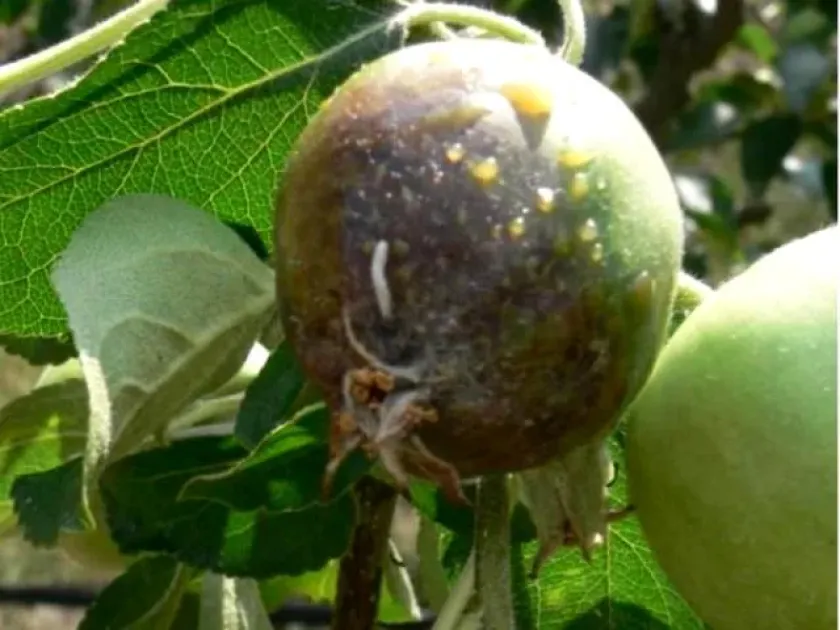
A telltale sign during humid weather is the presence of bacterial ooze. This is a sticky, amber-colored liquid exuding from cracks in the bark or from infected fruit, containing millions of live bacterial cells ready for secondary spread.
Soft rot, another form of erwiniosis, causes the internal tissues of vegetables and fleshy fruits to lose integrity. The infected area turns into a watery, mushy mass, frequently accompanied by a strong, offensive odor resulting from tissue decomposition.
Vascular browning is often visible upon slicing through affected stems or trunks. This indicates that the bacteria have clogged the vascular system, preventing the transport of water and nutrients, leading to rapid necrosis of distal tissues.
- Blossom shriveling and death during the flowering stage.
- Water-soaked lesions on leaves or stems.
- Deformation of stems and collapse of seedling structures.
- Darkening of the entire plant structure from top to bottom.
Pathogen
Erwiniosis is a collective term for bacterial diseases caused by members of the Erwiniaceae family, primarily the genus Erwinia. These pathogens are gram-negative, rod-shaped bacteria that colonize plant tissues, leading to systemic infections or localized decay.
Key species include Erwinia amylovora, which causes fire blight, and various Pectobacterium species, known for inducing soft rot. They produce cell-wall-degrading enzymes that break down the plant structure, causing rapid tissue collapse.
The pathogens persist in infected plant debris, soil, and dormant wood tissues. Some species can survive in the bodies of insect vectors or even on the surface of seeds, acting as primary inoculum sources for the next growing season.
Dissemination occurs primarily through splashing rain, irrigation water, contaminated pruning tools, and insect activity. Once inside the plant, the bacteria move through the xylem or intercellular spaces, multiplying rapidly under favorable conditions.
Host susceptibility varies, but most infections occur through natural openings (stomata, lenticels, nectaries) or mechanical wounds. The infection cycle is highly dependent on environmental moisture, which allows the bacteria to migrate and penetrate deeper into plant tissue.
Conditions for development
Erwiniosis thrives in warm, humid environments, with optimal infection temperatures ranging from 18°C to 28°C. These conditions maximize the metabolic activity and reproduction rate of the bacteria within the host.
Frequent rainfall and high humidity provide the necessary water films for bacterial motility. This is especially critical during the bloom period when flowers are highly susceptible to invasion by the pathogen via insect pollinators or rain splash.
Excessive nitrogen fertilization promotes the development of succulent, soft plant tissues that are easily penetrated by the bacteria. Balanced fertilization is crucial to maintain a higher level of natural tissue resistance against bacterial pathogens.
Mechanical injuries caused by hail, frost, or agricultural maintenance operations create entry points for the bacteria. Therefore, post-storm surveillance of orchards and fields is essential to identify and prune infected areas promptly.
Poor ventilation and high plant density increase the duration of surface wetness. When plants are crowded, air circulation is restricted, keeping the canopy moist for longer periods and creating a perfect microclimate for disease outbreak.
Why it matters
Erwiniosis is highly destructive, capable of killing mature trees or decimating entire vegetable crops within a few weeks. The economic impact includes total yield loss and the long-term cost of replacing diseased orchards.
Beyond direct crop loss, the disease forces farmers to implement expensive containment measures. In many regions, specific Erwinia species are classified as quarantine pests, preventing the movement of agricultural products from infested areas.
Storage rot represents a massive challenge for post-harvest logistics. A single infected vegetable in a storage facility can trigger a chain reaction, spreading the pathogen to healthy produce through physical contact and moisture accumulation.
Systemic damage often renders the plant incurable. Once the bacteria reach the roots or main trunk, the plant's vascular integrity is compromised, making chemical treatments largely ineffective and necessitating plant removal.
The loss of orchard canopy or field uniformity reduces total farm productivity, affecting the profitability of the operation for several years until the pathogen is successfully eradicated from the land.
Protection
The primary control strategy involves selecting resistant cultivars and ensuring that all new planting material is certified pathogen-free. Diversifying the crops can also help minimize the impact of a single disease outbreak.
Strict sanitation protocols must be followed, including disinfecting pruning shears with alcohol or copper solutions after every cut. This prevents the spread of bacteria from an infected branch to a healthy one.
Copper-based sprays, applied at critical growth stages like bloom, serve as a preventative barrier. These treatments reduce the bacterial population on the surface of the plants and lower the probability of infection.
Managing insect populations is a critical, often overlooked aspect of erwiniosis control. Since insects serve as vectors, implementing an integrated pest management program can significantly reduce the pressure of bacterial transmission.
Immediate removal of infected plant parts, including a significant buffer zone of healthy tissue, is mandatory. Once removed, this material must be destroyed, preferably by burning, to eliminate the reservoir of the pathogen.
Discussion
No discussions yet — be the first.