
Eperythrozoonosis
Eperythrozoon
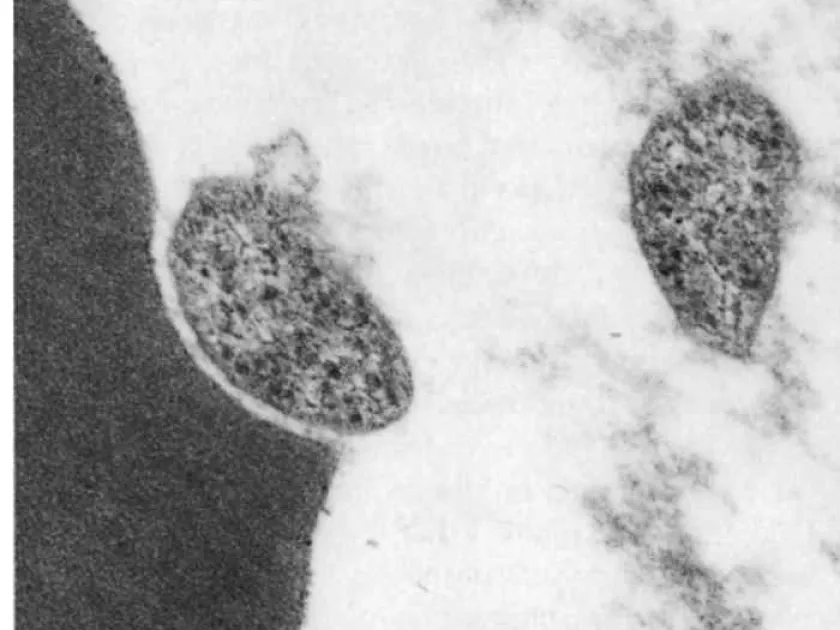
Description
Symptoms
The most recognizable sign is the yellowing of foliage, known as chlorosis, which often begins on newer leaves and progresses to the entire plant canopy over time.
The 'witches' broom' symptom is characteristic of many phytoplasma infections, where suppressed apical dominance leads to excessive proliferation of thin, weak, and bushy side shoots.
Floral malformations are common, where the flower parts turn green and leaf-like (virescence), resulting in the total loss of fruit or seed production capacity.
Stunting is a key indicator of systemic infection. The plant fails to reach its genetic potential in height, with severely shortened internodes visible throughout the stem.
In later stages, the root system shows signs of decay, as the plant can no longer translocate sufficient carbohydrates from the leaves to the roots to maintain health.
Pathogen
In the field of agronomy, it is crucial to note that Eperythrozoon species are primarily known as hemotropic mycoplasmas infecting animals. In botanical science, similar systemic disorders are caused by phytoplasmas.
Phytoplasmas are specialized bacteria lacking a cell wall that colonize the phloem tissues of host plants. They rely entirely on the plant's vascular system for transport and nutrient acquisition.
Transmission occurs through insect vectors, mainly leafhoppers and planthoppers, which feed on the sap of infected plants and subsequently transmit the pathogen to healthy ones.
Because these pathogens live inside the sieve tubes, they are shielded from many topical treatments, making systemic control strategies the only viable option for management.
The biology of these organisms includes a unique relationship with the vector, often involving a latent period within the insect before it becomes capable of infecting another plant.
Conditions for development
Outbreaks are heavily influenced by environmental conditions that favor the rapid reproduction and migration of insect vectors, particularly warm and dry summer weather.
Weed reservoirs play a critical role in the disease cycle, as many wild species can host the pathogen without showing severe symptoms, acting as a source for infection.
High planting density can create a favorable microclimate for insect colonization, facilitating the spread of the disease across the field from a single infected source.
The timing of vector migration relative to the crop's growth stage is vital; young seedlings are particularly vulnerable and often succumb quickly to early-season infections.
Neglecting field sanitation around irrigation ditches and borders leads to an accumulation of vectors, drastically increasing the risk of infection in adjacent crop rows.
Why it matters
The economic impact of these diseases is severe, often resulting in complete yield failure in fields where the infection pressure is allowed to go unmanaged.
Plants affected by these pathogens lose their natural vigor, making them significantly more susceptible to environmental stresses and secondary opportunistic infections.
Since these diseases are systemic, an infected plant cannot be 'cured' and must be treated as a source of inoculum that threatens the rest of the crop plantation.
The quality of any produce that does survive is generally poor, characterized by smaller size, altered chemical composition, and reduced shelf life for commercial purposes.
Costs related to crop replacement and intensive pesticide applications significantly lower the profitability of the agricultural operation affected by the outbreak.
Protection
The primary control strategy involves intensive management of insect vectors using systemic insecticides that provide long-lasting protection during critical growth phases.
Rigorous phytosanitary measures, such as the immediate removal and destruction of symptomatic plants, are essential to stop the infection cycle within the field.
Using certified pathogen-free seeds and nursery stock is the most effective preventative measure to ensure that the field is not contaminated from the very beginning.
Regular maintenance of field margins and weed control in surrounding areas significantly reduces the population of vectors that harbor the pathogen during the winter.
Integrated Pest Management (IPM) practices, including the use of reflective mulches and physical barriers, can help reduce vector landing rates on highly susceptible crops.
Discussion
No discussions yet — be the first.