
Edwardsiella
Edwardsiella
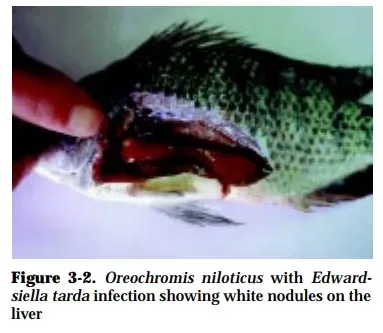
Description
Symptoms
Symptoms of Edwardsiella infection include soft, water-soaked lesions on leaves, stems, and sometimes on the fruits themselves.
The affected tissue typically undergoes rapid necrosis, often accompanied by a distinct foul-smelling bacterial odor.
In highly humid conditions, the lesions may ooze a slimy, mucoid bacterial exudate, which serves as a source for further spread.
Plant development is visibly stunted, with yellowing of the foliage and eventual wilting despite regular irrigation practices.
Root decay is a common, though often overlooked, sign, manifesting as a browning and disintegration of the root system.
Pathogen
The genus Edwardsiella consists of Gram-negative, rod-shaped bacteria primarily known for causing systemic diseases in aquatic organisms.
In the agricultural sector, these bacteria can act as opportunistic pathogens that thrive in moist environments and contaminated irrigation systems.
These bacteria belong to the Enterobacteriaceae family and are capable of surviving in soil with high organic content for extended periods.
Transmission to crops usually occurs through contaminated water sources, flooding events, or contact with infected agricultural runoff.
The pathogen exploits root systems or leaf stomata as entry points, especially when the plant is under abiotic stress.
Conditions for development
Warm temperatures, generally ranging from 20 to 30 degrees Celsius, are ideal for the rapid growth and colonization of these bacteria.
High moisture levels in the soil or a lack of proper soil aeration promote the survival and movement of the pathogen.
Poor agricultural practices, such as over-irrigation and overcrowding of plants, create microclimates conducive to bacterial spread.
Rain splash and contaminated tools are primary vectors for moving the bacteria from soil to the aerial parts of the plants.
Fields with poor drainage systems are significantly more prone to outbreaks following heavy rainfall.
Why it matters
The primary economic impact involves severe post-harvest losses due to the rapid development of soft rot in storage.
Crop yields are significantly reduced, and the remaining produce often fails to meet market standards for quality and safety.
Systemic infections can lead to the complete collapse of vegetable crops in greenhouses if conditions remain favourable for the bacteria.
Increased costs associated with quarantine measures and intensified sanitation protocols create a heavy burden for producers.
The presence of certain bacteria in the Edwardsiella genus in produce can raise concerns regarding food safety and hygiene regulations.
Protection
Sanitation is the most effective defense, starting with the rigorous treatment of irrigation water and regular maintenance of plumbing systems.
Improving field drainage is critical to preventing the moist, anaerobic environments that these bacteria prefer for colonization.
Disinfection of all farm equipment, especially those used for pruning and harvesting, prevents mechanical spread between different sectors.
Using certified pathogen-free planting material and resistant cultivars provides a strong foundational protection against early outbreaks.
- Crop rotation to reduce soil inoculum.
- Prompt removal and destruction of diseased plants.
- Implementation of regular sanitation schedules.
Discussion
No discussions yet — be the first.