
Bradyrhizobia
Bradyrhizobiaceae
Description
Pathogen
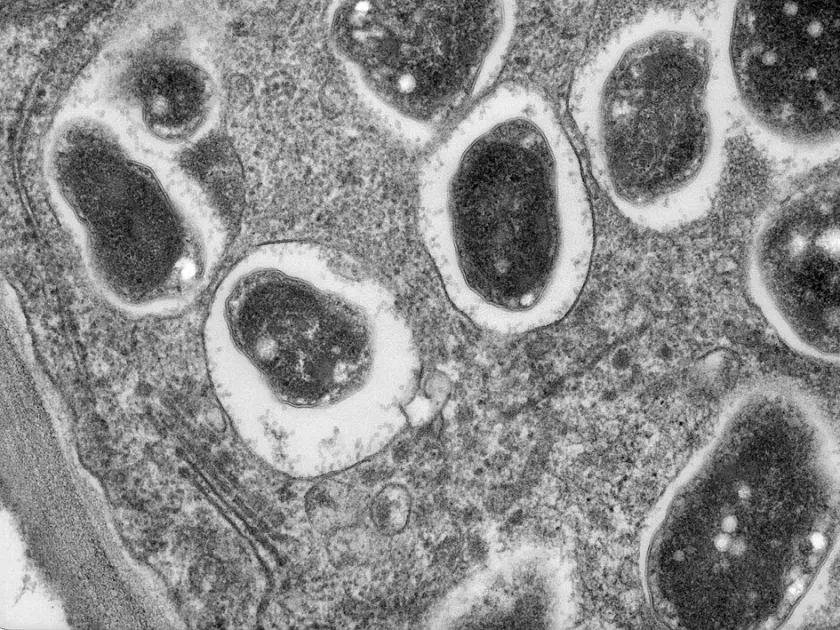
Bradyrhizobia (Bradyrhizobium) are beneficial soil bacteria, not plant pathogens. They establish a mutually beneficial symbiotic relationship with leguminous plants, forming specialized structures on the roots known as nodules.
These bacteria are responsible for the critical process of biological nitrogen fixation. They capture atmospheric nitrogen and convert it into ammonia, which the host plant can utilize for growth and protein synthesis.
Unlike fast-growing rhizobia, Bradyrhizobium species are characterized by their slow growth rates, which requires specific attention during the inoculation process.
The symbiosis is highly host-specific; different species of Bradyrhizobia are adapted to infect specific legume crops, such as soybeans, lupins, or peanuts.
The formation of nodules is a complex biological process initiated by chemical signals exchanged between the root hairs of the plant and the bacteria in the soil.
Conditions for development
Effective colonization depends significantly on soil pH. Most Bradyrhizobium strains perform optimally in neutral to slightly acidic soils (pH 6.0–7.0).
Soil moisture is critical during the sowing period. Inadequate moisture prevents the bacteria from moving to the roots and establishing the necessary infection threads.
Optimal soil temperature ranges from 20°C to 25°C. Temperatures that are too high or too low can significantly reduce or cease nitrogen-fixing activity within the nodules.
Good soil aeration is necessary, as the nitrogen fixation process is energy-intensive and requires high oxygen levels within the nodule tissues.
High levels of residual mineral nitrogen in the soil can inhibit nodule formation, as plants will prioritize direct uptake of nitrogen over investing energy into the symbiotic partnership.
Why it matters
Problems arise when using ineffective or mismatched strains of bacteria that occupy root space without providing sufficient nitrogen fixation, leading to yield losses.
Excessive use of chemical seed treatments, particularly fungicides, can sterilize the seed surface and destroy the applied inoculants, resulting in poor nodulation.
Plants failing to establish symbiosis exhibit symptoms typical of nitrogen deficiency, such as stunted growth and chlorosis, which can significantly limit overall crop yield.
Soil compaction and poor drainage can lead to environmental stress, reducing the efficiency of the nodules and making the plants more vulnerable to external stresses.
Competition from harmful soil microorganisms can hinder the successful colonization of roots by the applied Bradyrhizobia, especially in soils with low organic matter content.
Protection
The primary control method is the strategic application of biological inoculants to seeds immediately prior to sowing to ensure a high concentration of viable bacteria.
Careful selection of compatible fungicides and herbicides is essential to protect the symbiotic bacteria from lethal chemical impacts during the early stages of growth.
- Maintain soil pH within the ideal range for optimal bacterial activity.
- Avoid over-application of synthetic nitrogen fertilizers on legumes.
- Regularly check for the presence of pink-colored, active nodules on plant roots.
- Store bacterial inoculants in cool, shaded environments to maintain viability.
The use of high-quality, crop-specific inoculants ensures that the plants receive the maximum benefit from biological nitrogen fixation, reducing the need for inputs.
Effective management includes maintaining crop rotation cycles, which helps preserve a healthy balance of beneficial microorganisms in the soil profile.
Discussion
No discussions yet — be the first.