
Azotobacter vinelandii
Azotobacter vinelandii
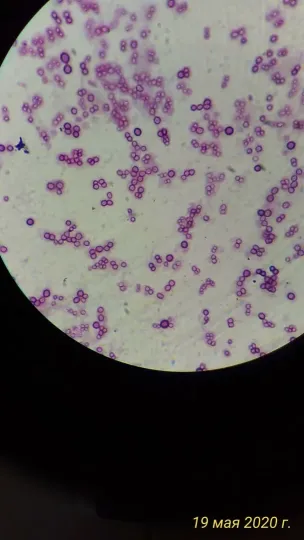
Description
Pathogen
Azotobacter vinelandii is a beneficial soil bacterium and is frequently misidentified as a plant pathogen. In reality, it does not cause any plant diseases.
It is classified as a free-living diazotroph, capable of fixing atmospheric nitrogen and converting it into ammonium, which is easily assimilated by plants.
Beyond nitrogen fixation, these bacteria produce plant growth-promoting hormones, including indole-3-acetic acid (IAA) and gibberellins, which enhance root architecture.
The morphology of the bacteria involves large, motile rods. Under stress, they form dormant structures known as cysts, which allow them to survive in the soil environment for extended periods.
Agricultural science recognizes this species as a vital biological tool, widely utilized in the production of microbial inoculants to improve soil quality.
Conditions for development
The optimal development of Azotobacter vinelandii occurs in neutral to slightly alkaline soil environments, with a preferred pH range of 7.0 to 7.5.
An adequate supply of organic carbon is essential for their metabolic activity, as it provides the energy required for the energy-intensive process of nitrogen fixation.
As obligate aerobes, these bacteria require sufficient soil aeration. Poorly drained or waterlogged soils are detrimental to their population growth and efficiency.
The metabolic rate is highly temperature-dependent, with the most active nitrogen fixation observed within the range of 25–30 degrees Celsius.
Trace elements such as iron, molybdenum, and vanadium are critical components for the nitrogenase enzyme complex, which regulates the nitrogen-fixing capabilities.
Why it matters
There is no harm associated with Azotobacter vinelandii. It does not infect plants, nor does it produce toxins that would inhibit plant health or yield.
Studies indicate that it plays a protective role in the rhizosphere, often acting as a barrier against soil-borne pathogens by occupying space and nutrient niches.
No necrotic lesions, wilting, or discolorations are ever caused by this bacterium. It is considered a beneficial member of the soil microbiome.
Its presence is correlated with increased nutrient availability and improved crop vigor, which contributes to higher yields in agricultural systems.
The classification of this object as a plant disease is factually incorrect and contradicts established microbiological and agronomic principles.
Protection
Since Azotobacter vinelandii is not a pathogen, there is no need for control measures or the application of chemical pesticides to suppress it.
Agronomic management should focus on preserving this beneficial microflora by ensuring balanced nutrient management and avoiding excessive agrochemical use.
Maintaining optimal soil structure and aeration promotes the natural proliferation of these nitrogen-fixing bacteria, reducing the need for synthetic fertilizers.
The application of composts or organic amendments encourages the activity of Azotobacter species, supporting long-term soil health and productivity.
Sustainable agricultural practices, including crop rotation and the use of bio-inoculants, can help maintain high populations of these beneficial microbes.
Discussion
No discussions yet — be the first.