
Aphanizomenon holsaticum
Aphanizomenon holsaticum
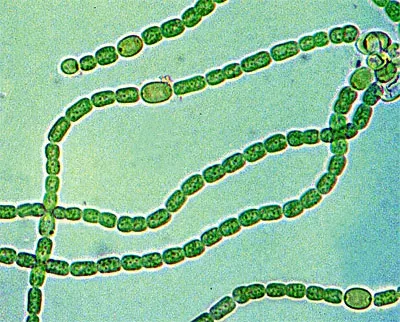
Description
Pathogen
Aphanizomenon holsaticum is a species of filamentous cyanobacteria commonly found in freshwater ecosystems and agricultural ponds.
The organism appears as colonial bundles of trichomes, often described as grass-like structures visible to the naked eye.
It possesses specialized cells called heterocysts, which allow the organism to fix nitrogen, granting it a significant survival advantage.
Reproduction occurs primarily through vegetative fragmentation, which enables the rapid colonization of large water volumes.
As a photosynthetic prokaryote, it competes aggressively with other phytoplankton species for light and nutrient resources.
Conditions for development
The proliferation of this species is triggered by elevated water temperatures, typically thriving in conditions above 20°C.
Nutrient enrichment, particularly high levels of nitrogen and phosphorus runoff from farmland, serves as the primary fuel for blooms.
Stagnant water conditions and high solar irradiance accelerate the growth cycle of these cyanobacteria.
Thermal stratification of the water column prevents mixing, allowing colonies to concentrate in the well-lit surface layers.
Changes in pH levels and dissolved organic matter concentration also play a role in supporting dense population growth.
Why it matters
The bloom produces potent cyanotoxins that can be lethal to fish and detrimental to the health of aquatic invertebrates.
Decomposition of massive algal mats leads to oxygen depletion, resulting in hypoxic conditions and large-scale fish die-offs.
Water quality degradation renders the source unsuitable for irrigation, as toxin accumulation can negatively affect soil and plant health.
Livestock consuming water infested with Aphanizomenon holsaticum are at risk of secondary poisoning and reduced productivity.
The clogging of irrigation infrastructure and filtration systems disrupts water distribution and increases operational maintenance costs.
Protection
Effective management begins with riparian buffer strips to minimize nutrient runoff from agricultural fields.
Biological control methods, such as stocking ponds with silver carp, have proven effective in grazing down algal biomass.
Mechanical aeration is a key strategy to destabilize water stratification and prevent the conditions necessary for surface bloom formation.
While chemical algaecides can be used, they must be applied with caution to avoid sudden oxygen crashes during algal death.
Implementing regular water quality monitoring helps detect early stages of blooming, allowing for timely preventative interventions.
Discussion
No discussions yet — be the first.