
Porcine Actinobacillus pleuropneumoniae
Actinobacillus pleuropneumoniae
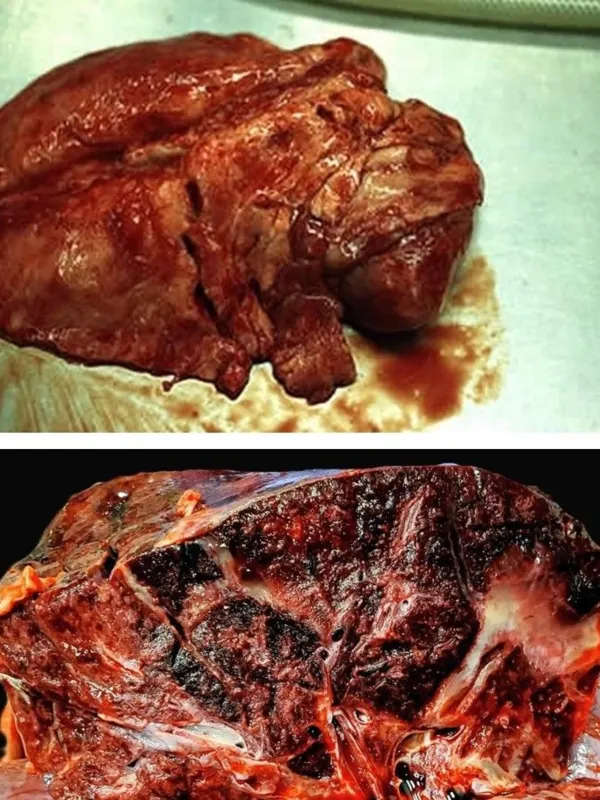
Description
Symptoms
Acute cases of the disease present with sudden onset, including high fever, severe respiratory distress, and visible discomfort in infected animals.
Common clinical signs include forced abdominal breathing, persistent coughing, and discharge of bloody, frothy mucus from the nostrils and mouth.
Sudden death is frequent in severe outbreaks, with pigs often found in a sitting position, as this posture helps them breathe more effectively during lung congestion.
Chronic forms of the disease lead to reduced growth rates, lack of appetite, emaciation, and a general lack of vigor in the affected herd members.
- cyanosis of extremities and skin
- edema in the submandibular region
- reduced daily weight gain
- necrotizing pneumonia lesions
Pathogen
The causative agent of the disease is a Gram-negative bacterium named Actinobacillus pleuropneumoniae (APP), which is a member of the Pasteurellaceae family.
This pathogen specifically colonizes the porcine respiratory tract and is known for producing Apx toxins that cause severe tissue damage and necrosis in the lungs.
Different serotypes of the bacteria exist, varying in their virulence and clinical impact, which determines the severity of the respiratory disease outbreak.
The infection spreads primarily through direct contact between pigs or by inhaling infectious droplets released during coughing or sneezing by carrier animals.
While the bacteria are relatively fragile in the external environment, they can survive for extended periods within infected carrier pigs, perpetuating the disease.
Conditions for development
Overcrowding within pig pens is a primary factor that facilitates the rapid spread of the bacteria among susceptible animals in a confined environment.
Poor ventilation systems lead to the buildup of noxious gases and humidity, which irritate the pigs' airways and promote bacterial colonization of the lungs.
Temperature fluctuations and cold drafts significantly weaken the immune system, making pigs more vulnerable to an infection by Actinobacillus pleuropneumoniae.
Stressful management practices, including frequent pen changes and transport, can trigger the disease in previously healthy-looking carrier pigs.
Seasonal changes, especially the onset of colder weather, are often linked to a higher incidence of respiratory outbreaks due to decreased natural immunity.
Why it matters
The economic impact of this disease is substantial due to high mortality rates and the loss of animals during the acute phase of the infection.
Pigs that survive an outbreak often exhibit stunted growth and permanent lung damage, resulting in significant carcass condemnation at the slaughterhouse.
Significant costs are incurred for professional veterinary treatment, the use of antibiotics, and implementation of long-term biosecurity protocols.
The presence of chronic carriers creates a constant threat to the farm's productivity, disrupting production cycles and lowering overall profitability.
Outbreaks restrict the ability of farmers to sell and move livestock, causing serious logistical disruptions and potential trade barriers for the farm.
Protection
Preventive measures include the application of rigorous biosecurity protocols and the use of vaccines to develop immunity against specific bacterial serotypes.
Early diagnosis and prompt administration of antibiotics are essential for mitigating the severity of clinical symptoms in infected pig groups.
Managing the environment by providing optimal air quality, stable temperatures, and sufficient living space helps to lower the risk of infection.
Implementing an all-in/all-out production system, followed by thorough cleaning and disinfection, is crucial for breaking the chain of transmission.
Regular monitoring of herd health status and strict quarantine procedures for new arrivals are fundamental for maintaining a disease-free herd status.
Discussion
No discussions yet — be the first.