
Acidovorax facilis
Acidovorax facilis
Description
Symptoms
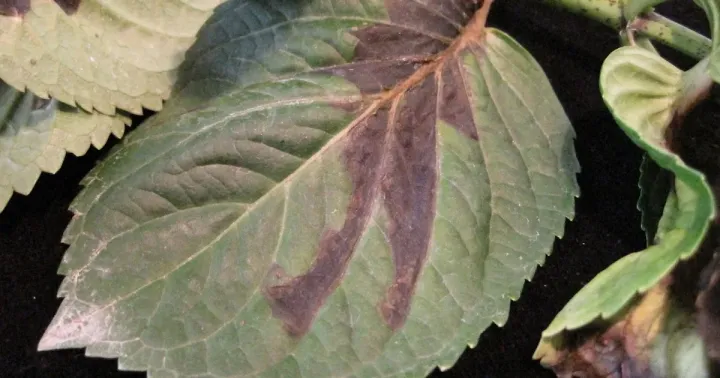
The primary symptoms of infection include necrotic spots of varying shapes and intensities, usually appearing on the leaves. Over time, these lesions can coalesce, leading to premature drying and leaf drop.
Infected plants typically exhibit chlorosis (yellowing) of tissues surrounding the infection sites. This is a result of bacterial toxins that suppress photosynthetic activity and disrupt essential cellular metabolic processes.
In high-humidity environments, a bacterial ooze may be observed on the surface of infected tissues. This sticky droplet, containing bacterial colonies, is a key diagnostic feature used to confirm a bacterial etiology for the disease.
Vascular system colonization can lead to the wilting of individual shoots or the entire plant. Transverse sections of stems often reveal browning of the vascular bundles, indicating a disruption of systemic metabolite transport.
The infection can also impact reproductive organs, resulting in the malformation of fruits and seeds. Seeds harvested from infected plants often show significantly reduced germination rates, and seedlings frequently perish during early root development.
Pathogen
Acidovorax facilis is a Gram-negative, aerobic bacterium belonging to the family Comamonadaceae. Although previously classified within the genus Pseudomonas, modern phylogenetic research has reassigned it to its own distinct taxon.
This pathogen is a motile, rod-shaped bacterium with a pronounced ability to colonize the vascular system of host plants. It can persist in soil and plant debris, maintaining viability for extended periods in the field.
The bacterium is a typical soil-borne microorganism that can exhibit parasitic properties under specific environmental conditions. Unlike many obligate pathogens, Acidovorax facilis often acts as an opportunistic organism that thrives when the host plant's immune system is compromised.
The pathogen's biology is tightly linked to the plant's water transport system. By utilizing the xylem to spread systemically throughout the tissues, the bacterium causes widespread damage, which frequently complicates early detection and diagnosis.
Its robust genetic framework enables the bacterium to adapt effectively to fluctuating environmental factors, including temperature shifts and changes in rhizosphere pH levels, making it a persistent challenge in agricultural settings.
Conditions for development
The development of Acidovorax facilis is favored by high humidity and soil moisture levels. The optimal temperature range for rapid bacterial multiplication is between +20 and +28 degrees Celsius.
Free moisture plays a critical role in the spread of the disease. Conditions such as dew, fog, and excessive rainfall provide a medium for the motile bacterial cells to move across plant surfaces and enter through natural openings like stomata.
Poor agricultural practices, particularly excessive nitrogen fertilization, reduce the natural resistance of plants to this pathogen. Over-fertilized crops often have softer tissues, which facilitates easier bacterial penetration.
Injuries caused by insect pests, hail, or mechanical handling during field operations serve as entry points for primary infection. Any break in the plant surface dramatically increases the likelihood of a disease outbreak.
In greenhouses and closed-system production, condensation on structures and leaf surfaces is a major factor in disease spread. High planting density, which restricts airflow and prevents drying, significantly accelerates the rate of an epidemic.
Why it matters
The primary damage caused by this pathogen is a significant reduction in overall crop productivity. The bacteriosis triggers stunted growth and development, leading to substantial biomass loss and decreased yields.
Product quality is severely compromised by the presence of necroses and spots. Affected fruits and vegetables lose their market appeal, have poor shelf life, and are highly susceptible to secondary rots due to weakened tissue immunity.
In cases of systemic infection, a large portion of the crop may be lost, resulting in direct economic deficits for commercial growers. Often, total removal and destruction of infected foci are the only ways to halt the progression of the disease.
The pathogen possesses a high capacity to accumulate in the soil. Even after harvest, it remains in plant debris, creating a persistent threat to future crop rotations and complicating field preparation for the next cycle.
The spread of the bacteria via seed material carries a high risk of introducing the disease to new regions. This often renders the use of saved seed from infected farms impossible, necessitating the purchase of new, certified pathogen-free stock.
Protection
A fundamental management strategy is the strict implementation of crop rotation. Sensitive crops should not be returned to the same field for at least 3–4 years to allow for the natural decline of the pathogen population in the soil.
The use of certified, healthy planting material is essential. Treating seeds with specialized bactericides can effectively reduce the risk of primary infection during the critical germination phase.
Maintaining high standards of agronomic practice is vital: timely weeding, removal of volunteer host plants (which can serve as infection reservoirs), and precise root-zone irrigation that avoids overhead watering.
- Utilizing cultivars with documented genetic resistance to bacterial diseases.
- Regular sanitation of the field, including the prompt removal of symptomatic plants.
- Disinfection of farm tools and equipment to prevent the mechanical transfer of bacteria.
- Application of copper-based fungicides as a preventative measure during high-risk periods.
If an outbreak is detected, overhead irrigation must be stopped immediately to manage canopy moisture, and ventilation should be maximized. Chemical controls are most effective in the early stages, making consistent monitoring of crop health a necessity.
Discussion
No discussions yet — be the first.