
Septoria leaf blotch
Zymoseptoria
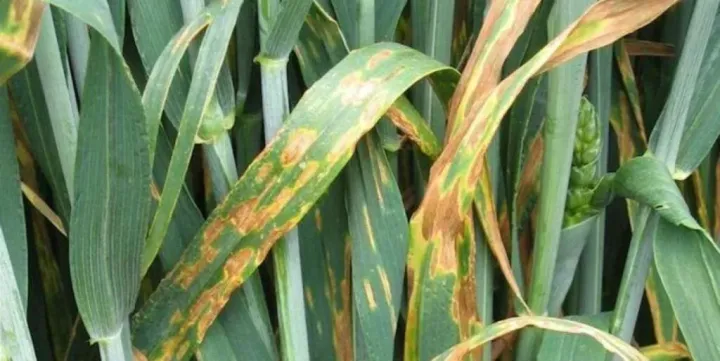
Description
Symptoms
The initial symptoms are small, light-green to yellow chlorotic spots that eventually expand into irregular brown lesions on the leaves.
A diagnostic characteristic is the presence of pycnidia within the lesions. These appear as tiny, dark-brown or black specks visible to the naked eye or with a hand lens.
The disease progresses from the lower canopy upwards, with severe infections leading to the necrosis of large leaf areas and eventual plant death.
Under humid conditions, the lesions can merge, causing the entire leaf to wither and turn greyish-brown, significantly reducing the plant's photosynthetic capacity.
When the glumes are affected, symptoms appear as dark, blotchy spots, which can negatively impact grain fill and quality.
Pathogen
The causal agent of septoria leaf blotch is the fungus Zymoseptoria tritici (formerly Septoria tritici). It is a hemibiotrophic pathogen that significantly affects wheat crops globally.
The pathogen reproduces via pycnidia, small black structures that erupt through the leaf surface. These contain pycnidiospores, which spread the disease during the growing season.
The fungus survives on infected wheat stubble and crop residues in the soil. Under favorable conditions, it can also spread through sexual ascospores carried by wind currents.
The incubation period of the disease can vary depending on temperature, making it a persistent threat in many cereal-growing regions worldwide.
Biological studies show that the fungus has a complex lifecycle involving both asexual and sexual stages, which contributes to its genetic variability and potential for fungicide resistance.
Conditions for development
Septoria leaf blotch thrives in cool, wet weather. Prolonged rainfall and high humidity are the primary drivers for spore dispersal and infection development.
The disease spread is most severe when frequent rain events transport spores from the lower foliage to the upper canopy, especially during the boot stage.
Temperatures between +15°C and +22°C are optimal for fungal growth, although the pathogen remains active across a wider range of conditions in many climates.
High planting densities and lush growth promote a microclimate with stagnant air and sustained leaf wetness, which are ideal for rapid infection cycles.
Crop rotation history is a major factor; fields with heavy wheat residue from previous years exhibit a significantly higher risk of early-season infection.
Why it matters
The economic impact of the disease is severe, primarily due to the reduction of the green leaf area, which is essential for proper grain filling and yield formation.
Infection of the flag leaf is particularly detrimental, as it provides the majority of carbohydrates to the developing grain, leading to yield losses of up to 50%.
Beyond quantity, the disease affects grain quality, resulting in lower test weights, reduced protein content, and poor milling quality.
The disease puts significant stress on the crop, making it more vulnerable to secondary infections and environmental stressors like drought.
Persistent infection requires recurring fungicide treatments, which increases production costs and places pressure on farm profitability.
Protection
Integrated disease management (IDM) is the most effective approach, combining cultural, chemical, and biological control strategies to mitigate losses.
- Crop rotation to break the lifecycle of the pathogen.
- Selection of resistant or moderately resistant wheat varieties.
- Proper management of crop residues through plowing or stubble destruction.
- Scouting of fields to determine the correct timing for fungicide applications based on thresholds.
- Strategic use of systemic fungicides, rotating different modes of action (e.g., strobilurins, azoles, SDHI) to manage resistance.
Discussion
No discussions yet — be the first.