
Xenorhabdus nematophila
Xenorhabdus nematophila
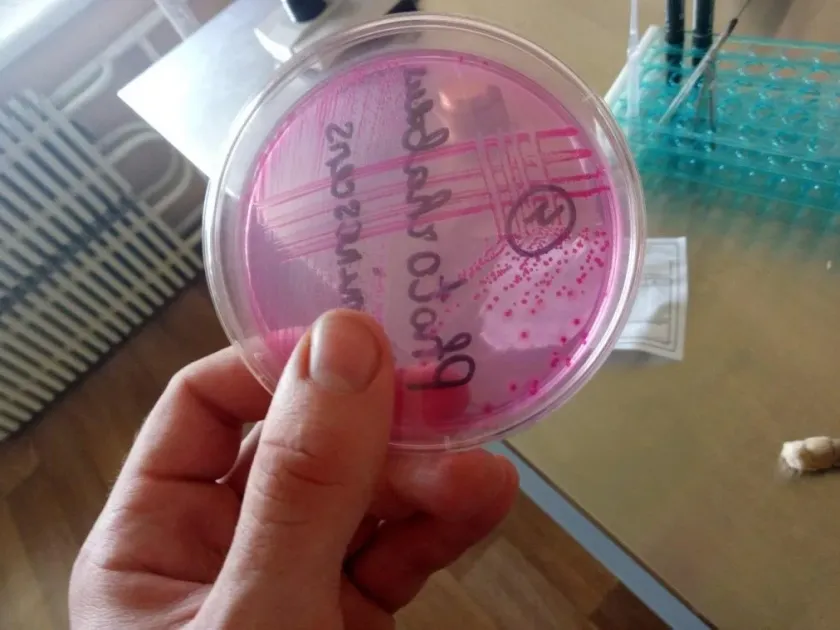
Description
Pathogen
Xenorhabdus nematophila is a Gram-negative bacterium that maintains a symbiotic relationship with entomopathogenic nematodes of the genus Steinernema. It does not cause diseases in plants; instead, it is a potent biological weapon against various insect pests.
The bacterium resides in the intestinal tract of the nematode. Once the nematode infects an insect, it releases Xenorhabdus nematophila into the host's hemocoel. The bacterium then multiplies and produces a suite of toxins that rapidly kill the insect.
These toxins and extracellular enzymes, including proteases and lipases, break down the insect's tissue into a nutritious broth, which the nematodes then consume for growth and reproduction.
The bacterium also produces antibiotics that suppress the growth of other competing bacteria, ensuring that the host cadaver remains a viable food source for the nematode population.
In modern agronomy, Xenorhabdus nematophila is a fundamental component of biological control agents used to manage soil-dwelling pests like grubs and wireworms without resorting to chemical insecticides.
Conditions for development
The success of this biological control agent depends heavily on the survival of its nematode partner. Optimal development occurs in moist soil environments with moderate temperatures, typically between 15°C and 25°C.
Excessive soil aridity or extreme temperatures can significantly inhibit the motility of the nematodes, thereby reducing the delivery and efficacy of the Xenorhabdus nematophila bacteria.
Soil structure is critical for movement. Loose, aerated soil allows nematodes to travel efficiently throughout the soil profile to find and infect targeted host insects.
UV radiation can be detrimental to the viability of nematodes when applied as a spray. Therefore, irrigation or evening application is recommended to ensure the biological agent reaches the soil surface safely.
Maintaining high organic matter content in the soil can support the longevity of the nematode-bacterial complex, providing a more sustainable defense against recurring pest outbreaks.
Why it matters
There is no evidence that Xenorhabdus nematophila causes any harm to agricultural crops. It is highly specific to insect hosts and possesses no pathogenic mechanisms that could compromise plant health.
The bacterium is environmentally friendly and poses no risks to humans, livestock, or beneficial insects like honeybees. It degrades naturally in the environment and leaves no toxic residues.
The primary 'harm' caused by this organism is the efficient elimination of crop-damaging larvae. By reducing pest populations, the bacterium helps protect the root system and structural integrity of the plants.
The deployment of this biological agent leads to reduced dependence on broad-spectrum chemical pesticides, which protects non-target organisms and prevents the accumulation of toxins in the soil.
In summary, Xenorhabdus nematophila is a highly beneficial agricultural asset that supports integrated pest management (IPM) strategies and sustainable farming practices.
Protection
No specific measures are required to 'control' or eradicate this bacterium, as it is a natural and beneficial component of healthy soil ecosystems. Instead, agricultural practices should focus on maintaining its presence.
Agro-managers should avoid the excessive use of broad-spectrum chemical fungicides or pesticides, which can inadvertently disrupt the delicate balance of the nematode-bacterial symbiotic complex.
Implementing soil health practices, such as increasing organic carbon levels and minimizing tillage, can provide a more hospitable environment for beneficial entomopathogenic nematodes.
When using bio-based products, ensure proper timing and soil moisture levels are maintained to optimize the effectiveness of the symbiotic application.
Integrated Pest Management strategies increasingly rely on these biological agents to provide long-term, eco-friendly protection, helping producers achieve higher quality yields without toxic synthetic additives.
Discussion
No discussions yet — be the first.