
Woronichinia naegeliana
Woronichinia naegeliana
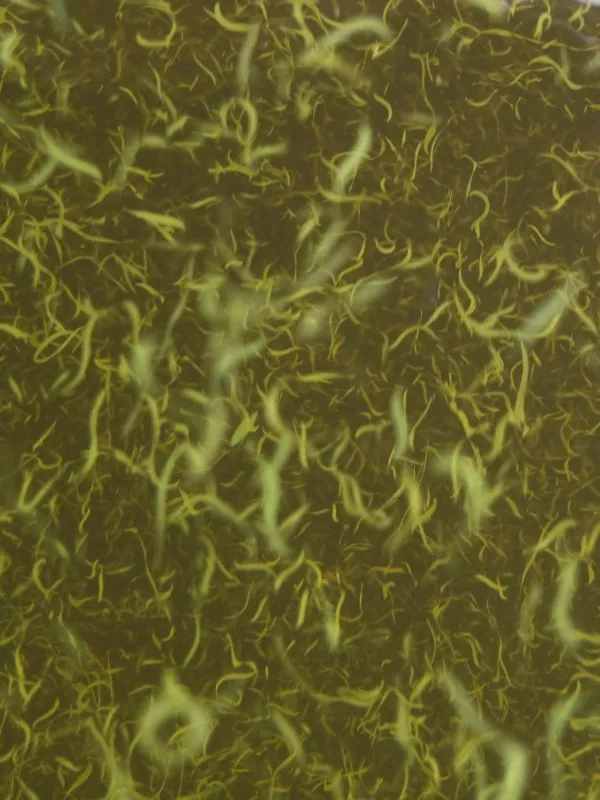
Description
Symptoms
The most prominent sign is the massive water bloom, which turns the water surface into a thick, blue-green or emerald scum.
A foul, earthy, or musty odor often accompanies the growth of these colonies due to chemical compounds produced during decay.
Transparency of the water decreases significantly as colonies aggregate and float near the surface.
Under a microscope, samples reveal characteristic radial clusters of small, spherical cells within a clear mucilage.
Accumulation of dead biomass along the shorelines creates a gelatinous residue that marks a declining population phase.
Pathogen
Woronichinia naegeliana is a species of colonial cyanobacteria commonly found in freshwater ecosystems worldwide.
These organisms form spherical colonies held together by a distinct, gelatinous matrix visible under microscopic observation.
The cells within each colony are arranged in a radial pattern, which is a key diagnostic feature for this species.
It acts as a primary producer in aquatic environments but can become a nuisance when environmental conditions facilitate rapid growth.
Unlike some bacteria, it possesses specialized structures that allow it to regulate buoyancy and move within the water column.
Conditions for development
Eutrophication, driven by excessive runoff of phosphorus and nitrogen, is the primary factor supporting its growth.
Warm, calm weather with intense sunlight creates the perfect environment for these colonies to thrive and proliferate.
Stagnant or slow-moving water bodies with low turbulence prevent the dispersal of colonies and encourage rapid surface accumulation.
Rising water temperatures during the summer months accelerate the metabolic activity and reproduction of cyanobacteria.
High nutrient availability from agricultural runoff remains the most significant external trigger for massive blooms.
Why it matters
The primary hazard is the depletion of dissolved oxygen, which frequently leads to large-scale fish kills and loss of biodiversity.
Woronichinia naegeliana can produce potent toxins that pose health risks to livestock, pets, and wildlife consuming the water.
Bloom outbreaks clog irrigation pumps, sprinkler systems, and water treatment facilities, leading to expensive maintenance issues.
The accumulation of toxins affects the entire food web, potentially entering the agricultural production chain via irrigation.
Severe blooms degrade the aesthetic and ecological value of water bodies, causing long-term damage to the aquatic habitat.
Protection
Effective control requires strict management of nutrient inputs, especially phosphorus, from surrounding agricultural fields.
Maintaining riparian buffers helps filter runoff and reduces the amount of nutrients entering the water system.
Mechanical skimming or water surface aeration can effectively remove or disrupt surface blooms before they become widespread.
Monitoring water quality and identifying early signs of growth allows for proactive intervention to prevent major outbreaks.
In some cases, the application of safe, targeted algaecides can manage populations, provided they are used according to environmental regulations.
Discussion
No discussions yet — be the first.