
Paddy straw mushroom
Volvariella volvacea
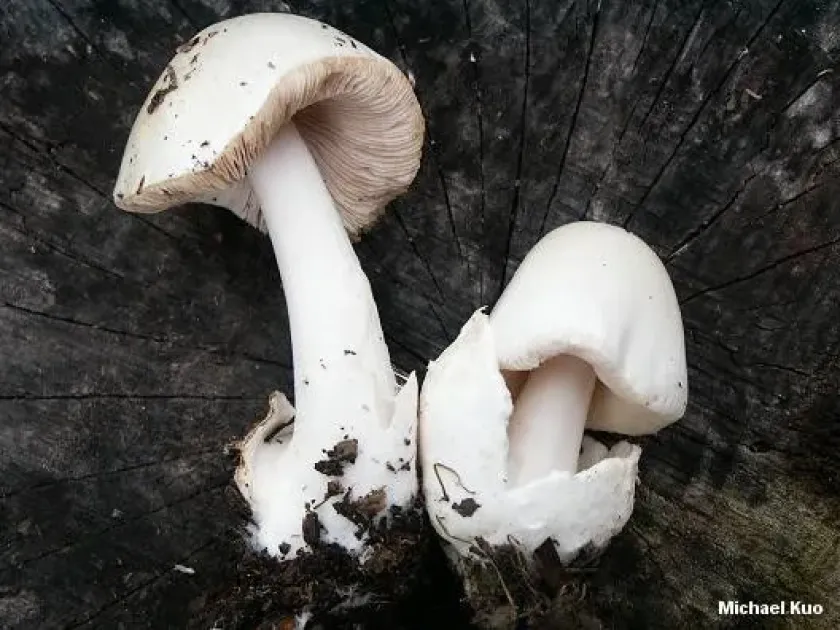
Description
Pathogen
Volvariella volvacea, commonly referred to as the paddy straw mushroom, is an edible fungus belonging to the Pluteaceae family. It is vital to distinguish that this fungus is not a plant disease but an important agricultural crop cultivated globally, particularly in tropical regions.
As a saprotrophic organism, it naturally decomposes organic matter such as straw, cotton waste, and other lignocellulosic materials. It does not act as a pathogen and does not infect healthy living plants.
The biological cycle of this fungus involves the rapid spread of vegetative mycelium throughout the substrate, followed by the emergence of fruit bodies. These fruit bodies are highly prized for their nutritional value and culinary properties.
In agronomy, the focus on this species is entirely directed towards optimizing its cultivation techniques rather than seeking protective measures against it as a pathogen.
Understanding the biology of this fungus is essential for producers aiming to maximize yield by maintaining clean substrate conditions, free from competitive molds and bacteria.
Conditions for development
The paddy straw mushroom is distinctly thermophilic, requiring stable high temperatures for optimal mycelial colonization and fruit body production, typically ranging between +30°C and +35°C.
High relative humidity is non-negotiable for success in mushroom farming. Levels must be maintained within the 80–90% range, as any significant drop will cause the developing pins to desiccate and die.
The choice of substrate is critical for commercial production. Rice straw, oil palm bunch waste, and banana leaves are standard substrates that provide the necessary carbon sources for the fungus to thrive.
Proper aeration is a fundamental requirement during the fruiting phase to ensure adequate gas exchange and to prevent the accumulation of CO2, which can inhibit the development of healthy fruit bodies.
The cultivation cycle is remarkably fast compared to other mushrooms, often allowing for multiple harvest flushes within a period of less than one month from inoculation.
Discussion
No discussions yet — be the first.