
Volvariella hypopithys
Volvariella hypopithys
Description
Pathogen
Volvariella hypopithys is a saprotrophic basidiomycete fungus belonging to the Pluteaceae family. Unlike plant pathogens that attack living tissues, this species acts as a decomposer.
The organism is not a parasite in the traditional sense and does not cause infectious plant diseases. It is an obligate saprotroph that thrives on dead organic matter.
The fungal mycelium actively penetrates the substrate, utilizing an enzymatic apparatus to break down complex organic compounds such as cellulose and lignin within soil and debris.
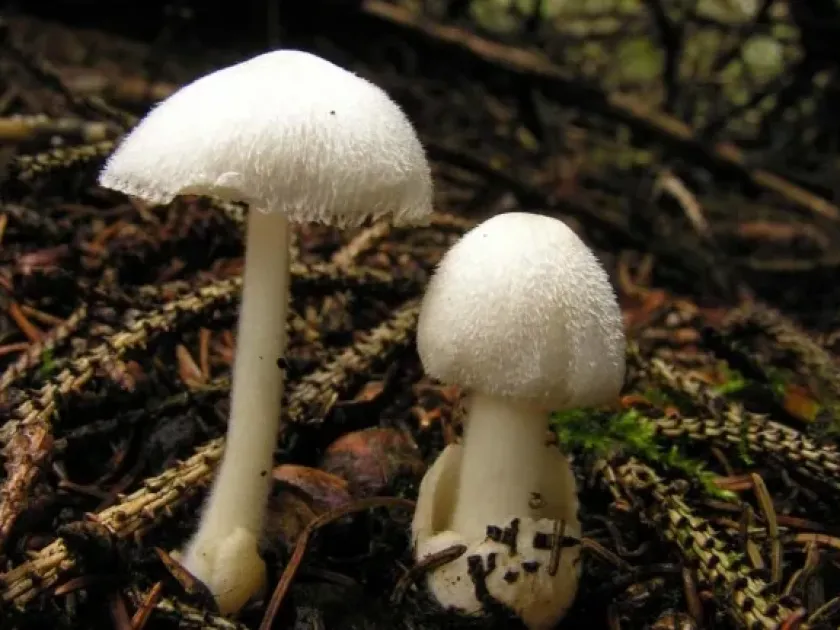
The fruiting bodies of the fungus are small, featuring whitish or grayish coloration and a characteristic volva at the base of the stalk, which serves as a key identifying trait.
The biological classification of this species requires careful observation during soil mycoflora monitoring to distinguish it from aggressive root rot pathogens.
Conditions for development
The development of the fungus is closely linked to the presence of significant amounts of plant debris, such as humus, straw, or wood decay accumulated in the topsoil layers.
Optimal conditions for the emergence of fruiting bodies include high air and soil humidity, as well as moderate temperatures typical of autumn or wet summer seasons.
The mycelium prefers loose, well-aerated soils rich in organic matter, where the decomposition process proceeds most intensively.
The fungus is often found in woodlands, forest edges, and gardens, where a favorable microclimate supports spore germination and fungal network formation.
Changes in agronomic practices, such as excessive application of uncomposted manure, can trigger massive development of this fungus in a field plot.
Why it matters
As a saprotroph, Volvariella poses no direct threat to healthy living plants, as it lacks pathogenicity towards living tissues.
The primary concern regarding the presence of this fungus in agro-ecosystems involves potential competition for nutrients with beneficial microbes or spoilage of hay and mulch.
Under intensive farming, the presence of saprotrophic fungi on the soil surface is sometimes mistakenly identified as a disease, leading to unnecessary fungicide application.
Excessive mycelial growth may slightly impair the aesthetic appeal of ornamental plantings or lawns, potentially creating rings or localized patches.
In rare cases, the fungus may colonize weakened or dying plant material, accelerating its mineralization, which generally benefits long-term soil fertility.
Protection
Specific protective measures against Volvariella are not required, as it is not a pathogen of agricultural crops.
To prevent massive fungal appearance, it is recommended to practice deep incorporation of crop residues into the soil and adhere to proper organic composting technologies.
Regular soil cultivation helps disrupt the integrity of the mycelial network and prevents the formation of fruiting bodies on the surface of garden beds.
Ensuring an optimal irrigation schedule that avoids water stagnation helps prevent the creation of conditions favorable for excessive fungal growth.
If the presence of the fungus is unwanted in ornamental areas, mechanical removal of fruiting bodies and improvement of soil drainage are sufficient actions.
Discussion
No discussions yet — be the first.