
Volvariella gloiocephala
Volvariella gloiocephala
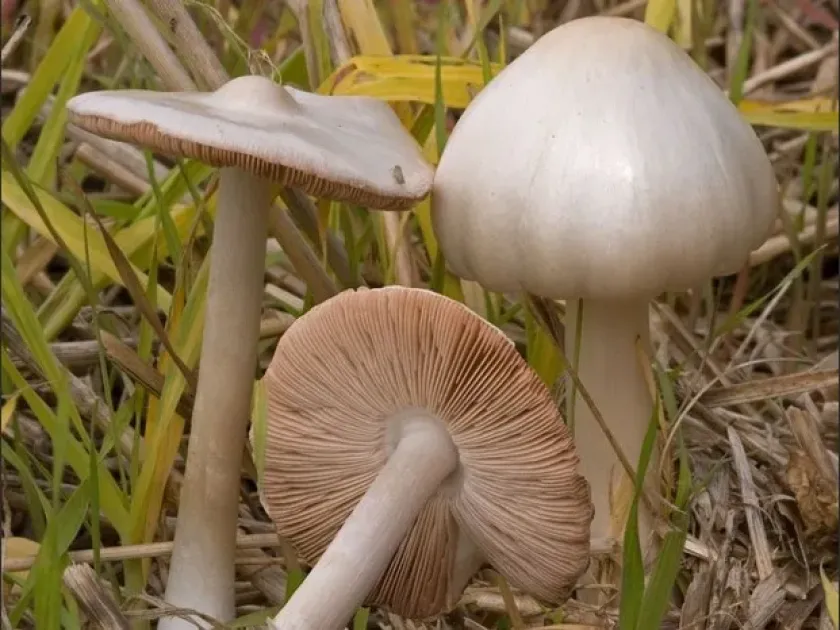
Description
Pathogen
Volvariella gloiocephala is a basidiomycete fungus belonging to the Pluteaceae family. It is crucial to clarify that this species is not a plant pathogen or a disease agent.
This organism is a soil-dwelling saprotroph. Its primary function is the decomposition of dead organic matter, such as leaf litter and woody debris.
It does not possess the biological capacity to infect living plant tissues, and it does not cause any physiological disorders in crops.
Its presence in agricultural settings is typically a sign of rich soil with high organic matter content rather than an indication of plant disease.
The fungus is a natural component of the ecosystem, participating in the complex process of nutrient cycling within the soil profile.
Conditions for development
The fungus thrives in environments with high moisture levels and a significant supply of organic materials, such as compost heaps or fertilized fields.
Optimal conditions for the emergence of fruiting bodies include periods of high humidity following rainfall and stable, mild temperatures.
It is frequently observed in soils enriched with animal manure or mulch, where the concentration of organic matter is highest.
Spores are dispersed through wind and water, allowing the fungus to colonize new areas across agricultural and natural landscapes.
High soil moisture combined with poor drainage creates the most favorable microclimate for the fungus to develop its mycelial network.
Why it matters
Volvariella gloiocephala causes no direct damage to living crops. It does not attack roots, stems, or foliage of agricultural plants.
There is no evidence of competitive interference with plant growth, as the fungus focuses exclusively on decomposing non-living material.
It is not considered a pest or a disease, and it does not affect the yield or quality of crops in any agricultural system.
In fact, as a decomposer, it assists in the long-term process of nutrient release, which can be beneficial for soil fertility.
The species remains entirely harmless to agricultural productivity and requires no intervention for crop protection purposes.
Protection
Since the fungus is not pathogenic to crops, no specific control measures or chemical treatments are necessary or recommended.
If its presence is undesirable for management reasons, improving soil drainage and aeration is the most effective approach.
Adjusting irrigation schedules to prevent excessive soil moisture will naturally limit the development of the fungal mycelium.
Good agricultural practices, such as proper incorporation of organic fertilizers, can reduce its visibility in growing areas.
- Improvement of soil drainage
- Regular soil cultivation for aeration
- Proper management of irrigation
Discussion
No discussions yet — be the first.