
Volvariella
Volvariella
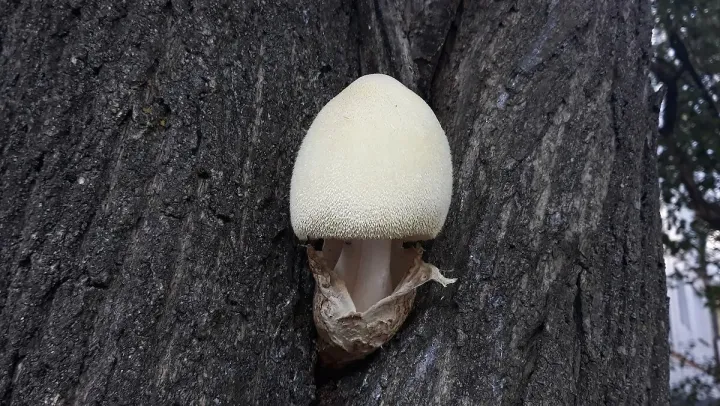
Description
Pathogen
The genus Volvariella is a group of basidiomycete fungi belonging to the Pluteaceae family. In the context of commercial mushroom cultivation, it is regarded as a competitive organism or substrate pest rather than a plant pathogen.
These fungi are saprotrophs that thrive in mushroom growing rooms intended for Agaricus or Pleurotus species, competing for the same essential nutrients.
They can rapidly colonize inadequately pasteurized substrates, outcompeting the target mushroom mycelium for both carbon and nitrogen sources.
Damage occurs through aggressive substrate colonization, effectively suppressing the development and subsequent fruiting of the cultivated crop.
Spores of Volvariella can be easily disseminated by air currents, agricultural equipment, or personnel, posing a continuous threat to the sterility of mushroom farms.
Conditions for development
The development of Volvariella is favored by high ambient temperatures, often exceeding 25–30 degrees Celsius, which suit many thermophilic species within this genus.
High relative humidity levels in both the air and the substrate are critical factors that accelerate spore germination and the spread of mycelial growth.
Inadequate substrate preparation, particularly poor pasteurization or heat treatment, allows surviving fragments of the fungus to reactivate and dominate.
Poor ventilation and air stagnation within growing rooms create a favorable microclimate for the accumulation of spores and the spread of competitive mold.
Neglecting basic sanitation, such as failing to disinfect tools or using contaminated clothing, significantly increases the risk of introducing the infection.
Why it matters
The primary impact of contamination is a significant reduction in total yield, as Volvariella physically displaces the target mycelium from the nutrient substrate.
Total crop failure can occur if the infection takes hold during the early incubation stages, resulting in the loss of entire production batches.
Metabolic byproducts of this fungus can alter the chemical balance and pH of the substrate, rendering it hostile to the survival of the intended mushroom variety.
Infected areas act as epicenters for secondary spread, requiring extensive and labor-intensive sanitation procedures to clear the facility.
Economic losses arise not only from reduced production but also from the disposal costs of contaminated substrates and the required disinfection cycles.
Protection
The fundamental control strategy is strict adherence to substrate pasteurization protocols, which are essential for eliminating spores of competing fungal species.
It is vital to maintain precise temperature control in growing chambers, avoiding localized overheating that encourages the development of undesirable microflora.
Regular sanitation of the facility using approved fungicides and professional-grade disinfectants is necessary to maintain a hygienic production environment.
Limiting access to production zones and ensuring all personnel follow strict bio-security protocols is crucial for preventing the introduction of contaminants.
- Screening spawn for purity and quality before inoculation.
- Installing high-efficiency air filters in ventilation systems.
- Isolating and disposing of any substrate blocks that show signs of non-target mycelial growth.
Discussion
No discussions yet — be the first.